
Land Rover LR2 Expansion Tank Parts
Showing 3 out of 3 part(s) found in our catalog.
Brand
Keyword
Subcategory
Mon-Fri 8-4 MST/PST (Arizona Time)



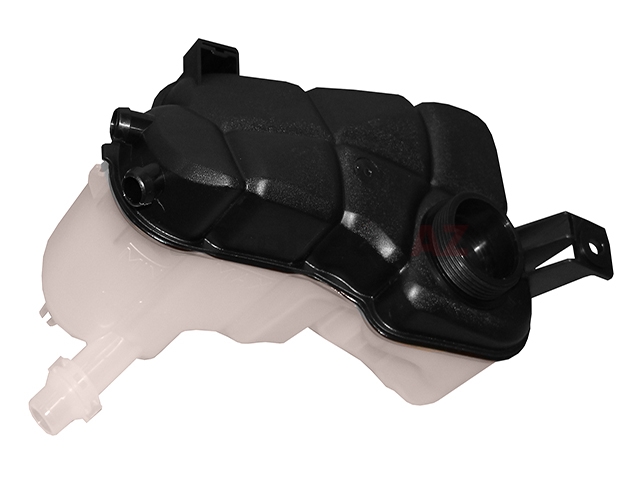
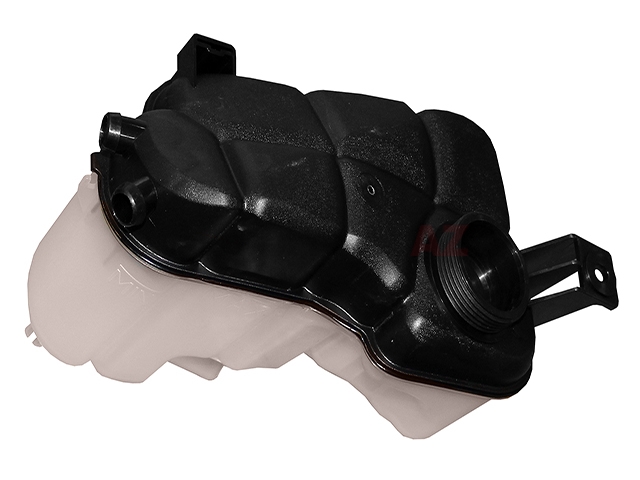
The average price of a Land Rover LR2 expansion tank is between $24.09 and $45.99.
What Are The Signs Of A Failing Land Rover LR2 Expansion Tank?
You might spot a few warning signs when your Land Rover LR2 expansion tank starts having trouble. Watch for small cracks around the tank, or a dark patch where coolant has dripped onto the ground, often under the front passenger side. Sometimes, the coolant level drops out of nowhere, leaving the dashboard flashing those low coolant messages. That sharp, sweet smell when you lift the hood is another giveaway. Tanks that look yellowed or cloudy—or caps that never seem to tighten up—should get a closer inspection. If you hear bubbling sounds once the engine is off, or if it starts to overheat, it’s time to take a closer look at the tank. Catching these symptoms early helps sidestep bigger engine headaches later on.
How Do You Replace The Land Rover LR2 Expansion Tank?
Start by letting your LR2’s engine cool down fully—there’s no fast track here, pressurized coolant is no joke. Open the hood, loosen the expansion tank cap slowly to release any pressure, then move on to the hoses. Tug them free, and unplug the sensor if you see one connected. Remember how they’re arranged for when everything goes back together. Remove any bolts or pins holding the tank, and lift it out—sometimes it takes a gentle wiggle. Fit the new tank in, reconnect everything, and tighten it down. Pour in the right coolant until it sits at the fill line. Run your engine at idle, looking out for leaks or warning lights, and top off if needed. Finished, it’s always wise to double-check connections for peace of mind.
Why Does The Land Rover LR2 Expansion Tank Crack Or Leak?
Many LR2 tanks don’t fail because of one single reason. Over time, the constant heat under the hood, and sharp temperature changes, cause the plastic to weaken and develop hairline splits. Add in the engine’s shaking and vibrations, and things start to wear out. Sometimes, the coolant itself is to blame, especially if it’s become acidic or if someone mixed the wrong types. Pressure that builds up from a failed cap forces coolant against the tank walls, eventually causing cracks along the seams. Using old or wrong coolant can speed up the process. It’s worth checking the tank every so often—especially on high-mileage or older models—before it’s too late to act.
What Type Of Coolant Should Be Used In The Land Rover LR2 Expansion Tank?
With a Land Rover LR2 expansion tank, the type of coolant matters. OAT (Organic Acid Technology) antifreeze, which comes without phosphates or silicates, is usually what works best. Always check your manual or the sticker on the old tank for the recommended blend. Mixing coolants, or using universal types that aren’t made for European vehicles, can cause gelling or corrosion inside the cooling system. Sticking with Land Rover-approved or matching European coolants keeps everything flowing and prevents clogs or leaks. Using the right formula means longer life for your system and fewer headaches down the road.
Is It Safe To Drive With A Leaking Land Rover LR2 Expansion Tank?
Driving with a leaking Land Rover LR2 expansion tank is risky business. Even a small drip can mean the cooling system is running below pressure, making it tougher for your engine to stay cool. Ignoring a leak may lead to overheating before you know it. Over time, that can warp cylinder heads or blow the head gasket—both are costly fixes. If you spot fluid under the car or see the coolant warning light, top up with the proper coolant if you must keep driving, but don’t wait to get the leak sorted out. It costs a lot less to replace a tank than to fix a blown engine.
Looking For A Land Rover LR2 Expansion Tank At A Great Price?
At AutohausAZ, we know what it feels like when your Land Rover LR2 is out of commission, and tracking down the right part shouldn’t add to the headache. We offer expansion tanks—both genuine and aftermarket—at prices that don’t feel like a slap in the face. When you order from us, we pack your tank right away so you aren’t left guessing how long before you’re back on the road. If something isn’t right or you change your mind, returns are straightforward and we don’t make you jump through hoops. We answer questions with straightforward advice, whether you’re turning wrenches in your own garage or leaving it to the local shop. When you need a new LR2 expansion tank, shop with us and you’ll get exactly what you asked for: fair prices, fast shipping, and support from real people who get cars. That’s how we do things at AutohausAZ.