
Land Rover LR3 Tie Rod End Parts
Showing 9 out of 9 part(s) found in our catalog.
Brand
Keyword
Subcategory
Mon-Fri 8-4 MST/PST (Arizona Time)

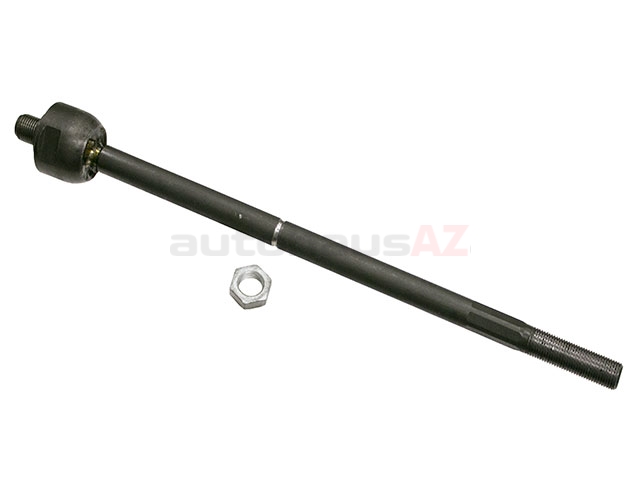



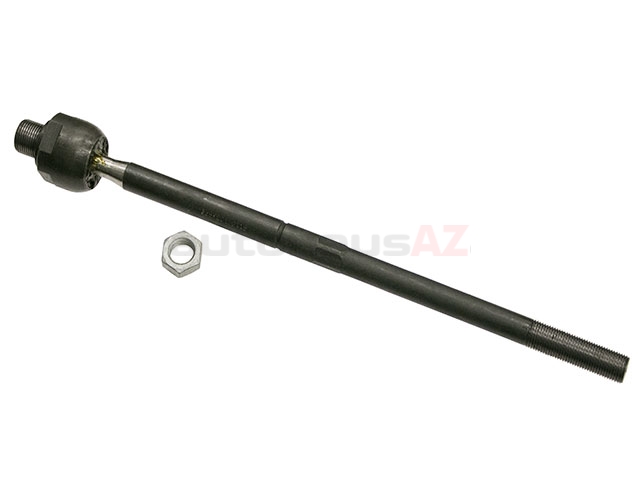
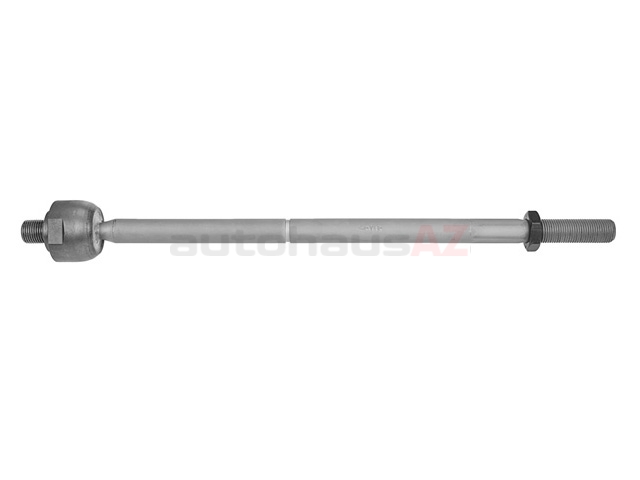
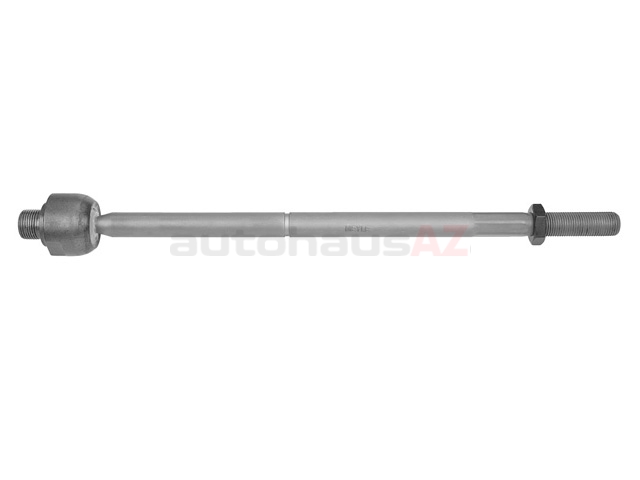
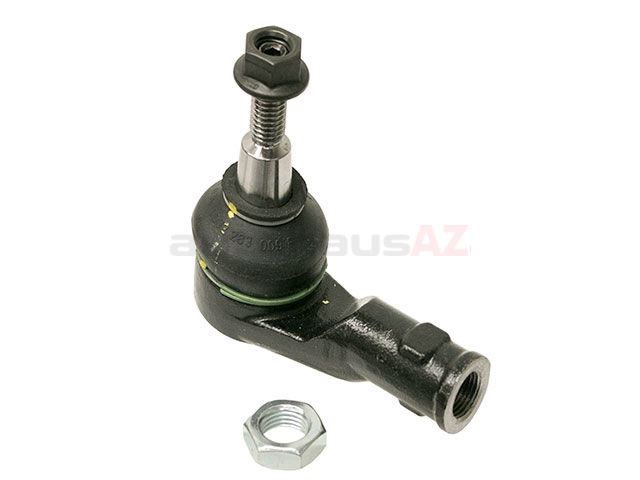
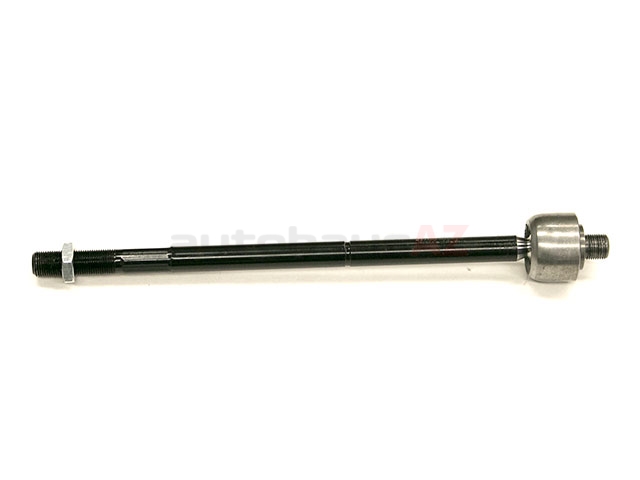
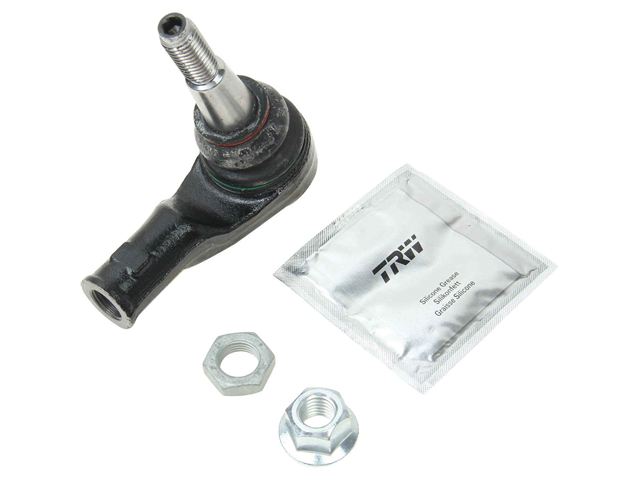
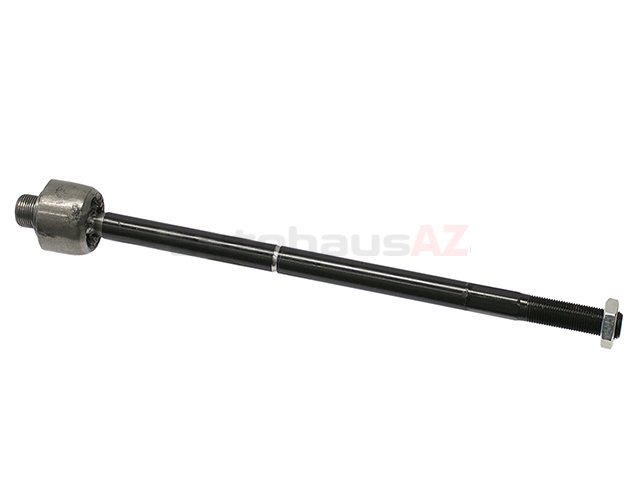
Land Rover LR3 tie rod end typically cost between $11.99 and $35.99.
What Are Signs Of A Failing Land Rover LR3 Tie Rod End?
When the tie rod end starts to wear out, you may notice problems while driving. The steering wheel can feel loose in your hands, or the car seems to wander, not tracking straight. Sometimes, a thumping or clunking sound comes up when you turn the wheel, especially at low speeds or when parking. Tire tread might wear unevenly as well, with one side balding faster than the other. Some people pick up a shaky, unsettled feeling through the steering at highway speeds. If you look at the tie rod end itself and see play or movement where there shouldn’t be any, it’s a clear warning. Strange steering, weird noises, changes in how the car feels—these are all signs it’s time to check the tie rod end.
How Often Should The Land Rover LR3 Tie Rod End Be Replaced?
There’s no fixed rule. Much depends on how and where you drive. Most LR3 tie rod ends can go 70,000 to 100,000 miles before they need swapping out, at least under regular, paved-road use. But rough roads, potholes, or lots of off-roading can cut that lifespan short. Mechanics usually look for wear at every service visit, and it’s smart to get under the car for a visual check if you hear odd noises or feel the steering change. For people who drive their LR3s hard or in the city every day, keeping an eye on these parts—maybe every oil change—helps you stay ahead of any problems.
What Are The Dangers Of Driving With A Worn Land Rover LR3 Tie Rod End?
A failing tie rod end is no small concern. It sits between your steering rack and your wheels, so when it gives way, you lose a lot of your steering control. That can make the wheel respond slowly, or worse, feel unpredictable if you need to make a sudden move. As the problem grows, the car pulls erratically or the tires wear down in strange patterns. If ignored long enough, it can snap, and steering with a broken tie rod end is next to impossible. That level of failure is dangerous at any speed, on any road. Fixing this early means you avoid extra trips to the shop for new tires, suspension work, or even a tow.
Can I Replace The Land Rover LR3 Tie Rod End Myself?
If you’re handy around a toolbox and know your way under the hood, this job isn’t too bad. You’ll need to lift the car, take the wheel off, and then get to the tie rod end itself. Removing the old part and fitting the new one requires a good set of wrenches and a careful eye for the original adjustment. Some chalk or marker lines help, so the new tie rod end sits close to the same spot as the old one. A torque wrench guarantees the parts go on with the right tightness. Alignment afterwards isn’t optional, though—you’ll need a pro to ensure the wheels track straight and tires wear properly.
What Alignment Issues Can Result From A Land Rover LR3 Tie Rod End Replacement?
Even when the new tie rod end looks like it landed in the same spot, little changes throw the front wheels out of alignment. Toe, the angle the tires point in or out, often shifts, causing the vehicle to drift right or left. Tires might scrub along the pavement instead of rolling squarely, and that eats into tread life. Counting the threads or making marks helps line things up, but nothing beats a professional four-wheel alignment after the job. Without it, steering can feel twitchy, tire edges wear down, and the suspension ends up working harder than it should. Setting up an alignment right after replacement saves future headaches.
Why Choose AutohausAZ For Your Land Rover LR3 Tie Rod End?
We keep things honest and easy at AutohausAZ. You get quality parts without the high markup, and our shipping process means you’re not stuck waiting. If you change your mind or order the wrong item, returns are easy to handle. Want peace of mind with your Land Rover LR3 tie rod end? Give us a try, and see how simple it can be to keep your Land Rover running smooth.