

Land Rover LR4 Tie Rod End Parts
Showing 6 out of 6 part(s) found in our catalog.
Brand
Keyword
Subcategory
Mon-Fri 8-4 MST/PST (Arizona Time)

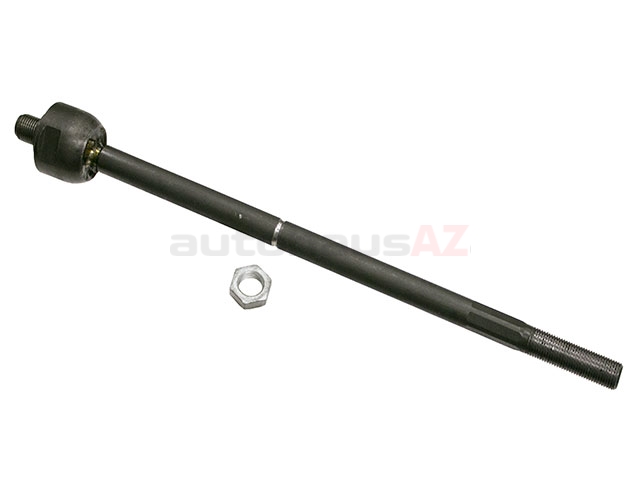


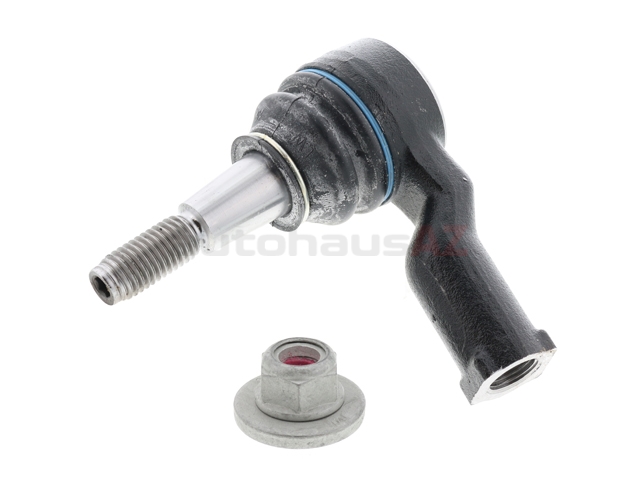
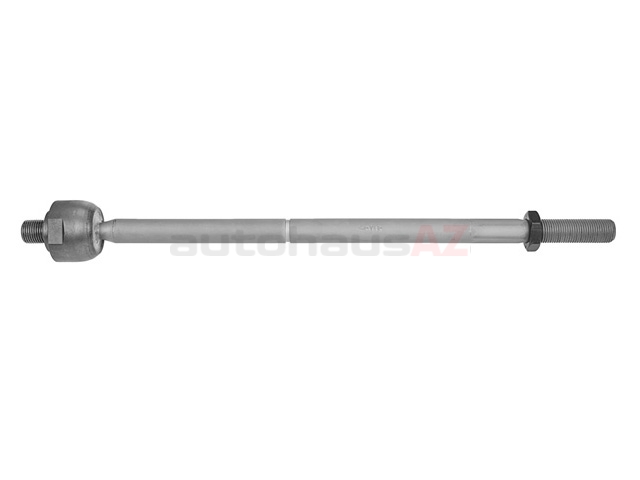
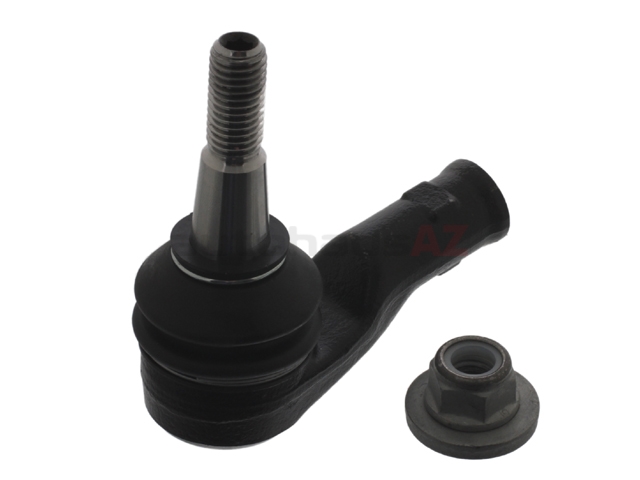
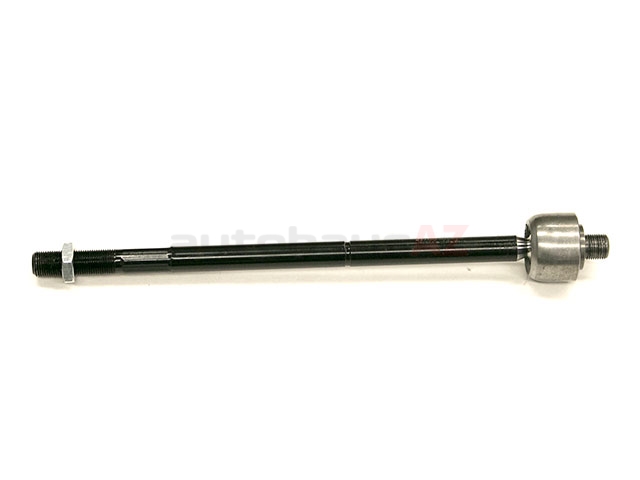
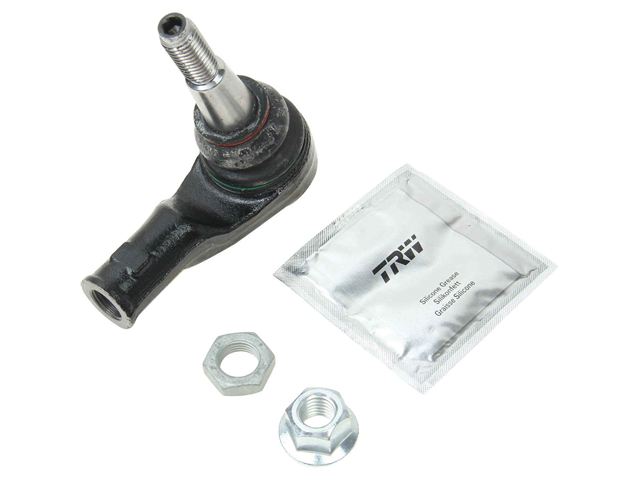
The average price of a Land Rover LR4 tie rod end is between $13.79 and $35.99.
What Are Common Signs That The Land Rover LR4 Tie Rod End Needs Replacement?
When the Land Rover LR4 tie rod end starts to wear out, drivers often notice a handful of warning signs. You might hear a dull clunk or knock from the front wheels, especially when taking tight turns or going over rough patches. That odd sound is tough to ignore. Steering sometimes feels loose or oddly unsteady—almost like the truck’s not following your hands as sharply as normal. Tires can start to wear unevenly, sometimes with rough edges or bare spots on the inner or outer treads. If left alone for a while, these problems build up fast, leading to shaky handling or worse. Mechanics usually catch weak tie rod ends during alignments or when you mention strange noises. Fixing them early keeps your steering crisp and helps avoid other repairs down the line.
How Difficult Is It To Replace The Land Rover LR4 Tie Rod End At Home?
Swapping out a Land Rover LR4 tie rod end at home isn’t the hardest job, but it’s not a breeze, either. If you’ve changed brakes or done small suspension work, you’ll probably handle it fine. The car needs to go up on stands, the wheel comes off, and the old tie rod end must be loosened—sometimes needing a firm hand or a breaker bar if it’s stuck with rust. Marking the spot before removing it is important; otherwise, your alignment will be way off and that drive to the shop will get sketchy. While anyone with the right tools, patience, and a bit of know-how can do it, if you’ve never done work on suspension before, it’s easy to get frustrated or miss signs of other issues. Play it safe—if in doubt, leave it to a shop you trust.
How Often Should The Land Rover LR4 Tie Rod End Be Changed?
There’s no set schedule for changing a Land Rover LR4 tie rod end. These parts can last close to the life of the car under careful use, or wear out much earlier if you hit lots of potholes or rough tracks. City driving isn’t too hard on them, but off-roading, salt, and old age all take their toll. Most folks only swap tie rod ends when they notice symptoms like loose steering, uneven tires, or during repairs. If you’re at high mileage or the dust boot has split, it might be wise to replace before trouble starts. Otherwise, as long as your steering feels solid and the tires wear evenly, leave it be.
Can A Bad Land Rover LR4 Tie Rod End Cause Alignment Issues?
Definitely. The Land Rover LR4 tie rod end is central to keeping your wheels aligned. If the end wears or fails, your wheels can drift out of alignment. Often, you’ll notice the car pulling left or right, or a twitchy, unsettled feeling at speed. The tires suffer, too, with patches of worn rubber developing fast. Every time you replace a tie rod end, head straight for a professional alignment. This simple step saves your tires and keeps steering as it should be—firm and predictable.
What Brand Or Type Of Replacement Land Rover LR4 Tie Rod End Is Recommended?
Most owners give preference to OEM Land Rover LR4 tie rod ends for a reason: they fit right and last well. Aftermarket brands like Lemforder, Moog, or TRW also get high marks and usually meet or beat the original part for strength and finish. Cheap no-name options may save money at first, but risk early failure or poor fit. Checking the reviews and looking for solid construction helps a lot. Don’t forget the warranty—it’s a good marker of how confident the maker is in the part. For the best results, replace both sides together, even if only one acts up.
How Can You Easily Shop For Land Rover LR4 Tie Rod Ends?
At AutohausAZ, we keep the search for a Land Rover LR4 tie rod end simple. Prices are fair, and you won’t spend time digging for discounts—they’re already built in. Orders move fast, usually shipping out the same day, so you aren’t left waiting. If something doesn’t fit or meet your standards, you can return it—no fuss, no stress. That way, your truck gets back on the road with solid steering and no lingering headaches.