

Saab 9-3 Heater Hose Parts
Showing 3 out of 3 part(s) found in our catalog.
Brand
Keyword
Subcategory
Mon-Fri 8-4 MST/PST (Arizona Time)

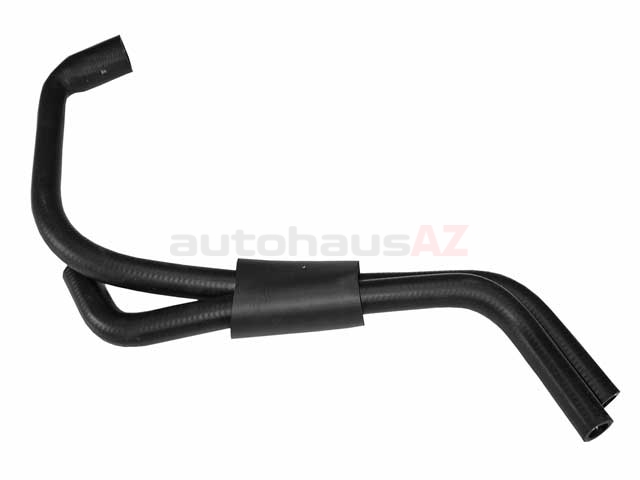



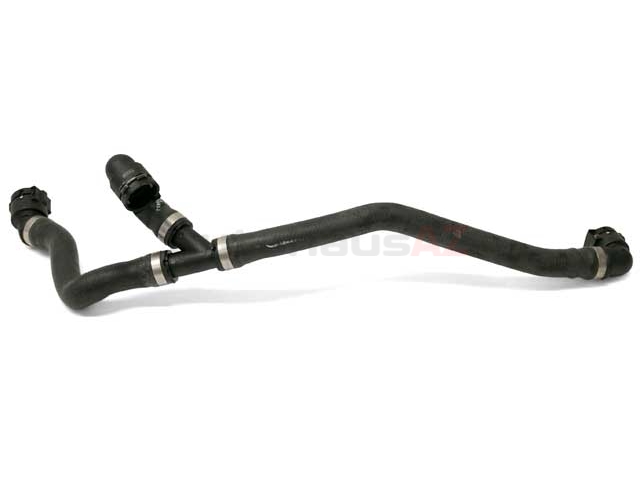
The average cost of a Saab 9-3 heater hose is between $6.19 and $148.99.
What Are The Common Signs Of A Failing Saab 9-3 Heater Hose?
When the Saab 9-3 heater hose gives out, things start to get obvious. You might spot green or orange coolant pooling where you park. Some people catch a whiff of something sweet after a drive—that’s coolant finding an escape. Hoses may get spongy, crack, or balloon out in spots. Watch your dashboard, too; if the temp needle climbs or your heater blows lukewarm air in winter, the hose could be at fault. Ignoring these signs doesn’t end well—coolant loss leads to fast engine trouble. A quick under-the-hood check can head off bigger headaches.
How Often Should I Replace My Saab 9-3 Heater Hose?
Most Saab 9-3 heater hoses hold up for about seven years, but that is not a guarantee. Mileage and climate are big factors—hot summers and salty winters push hoses to the limit. If your car is racking up over 90,000 miles, it’s smart to take a look each year. Cracks, flattening, or any sign of a leak means it’s time. Waiting too long can leave you stuck, miles from home, with steam from the hood. Even if the hose looks fine, swapping it out during a coolant flush keeps surprises away.
Which Heater Hose Leads To The Heater Core In A Saab 9-3?
In the Saab 9-3 heater hose layout, one hose sends hot coolant into the heater core, called the inlet. The other pulls it back toward the engine, known as the return. Usually, you’ll see the inlet going to the upper heater core connection, and the return coming off the bottom. Some model years flip things, though, so a peek at the factory diagram helps. Switching up these hoses by mistake can lead to cold air inside or a messy coolant flow. Double check before tightening down clamps.
What Causes Saab 9-3 Heater Hose Leaks?
Time, heat, and old age take the biggest toll on a Saab 9-3 heater hose. The rubber starts to weaken just from engine heat cycling on and off, day after day. Skipping coolant flushes adds gunk and rust, which wears hoses down inside. Get engine oil or any other chemical on the rubber and it gets soft, splits, or becomes brittle. Hoses sometimes get pinched or stressed during repairs, which opens small leaks later. Cold snaps don’t help, either—freezing and thawing can split the rubber. Keeping up with standard cooling system checks helps prevent most hose failures.
Can I Replace The Saab 9-3 Heater Hose Myself, And What Tools Will I Need?
Most people with a tool set can swap a Saab 9-3 heater hose out in an afternoon. You’ll want a screwdriver or nut driver for the clamps, pliers for any stubborn sections, and a clean pan to catch coolant. Gloves save your hands. The most important steps: let the engine cool off, release system pressure slowly, and keep an eye on which hose goes where. Sometimes, the new hose needs to be cut to length. Refill the coolant, run the car a few minutes, and check for leaks and air pockets. DIY saves money and gives you some peace of mind.
Where Can You Find Affordable Saab 9-3 Heater Hoses With Fast Shipping?
Places like AutohausAZ keep Saab 9-3 heater hoses in stock with wallet-friendly prices. Orders head out fast, so you’re not stuck waiting by the mailbox. No need to chase down rebates or search for coupons—costs stay low up front. Returns are simple if something doesn’t fit. You’ll have heat back in the cabin and no more coolant puddles, usually before the next cold snap.