

VW Rabbit Coolant Hose Parts
Showing 20 out of 41 part(s) found in our catalog.
Brand
Keyword
Category
Select category below to view parts.
Mon-Fri 8-4 MST/PST (Arizona Time)

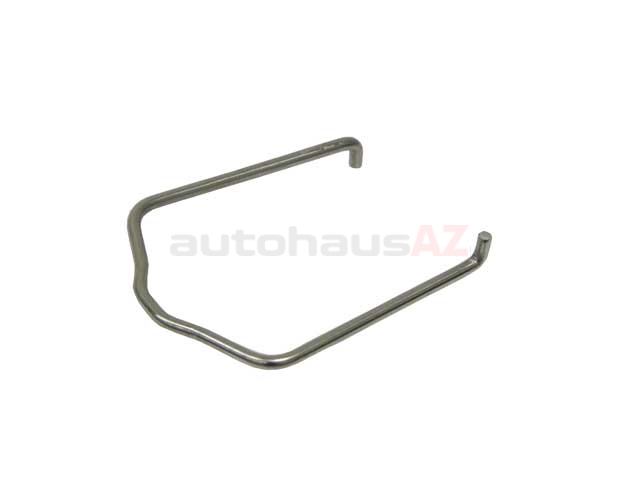


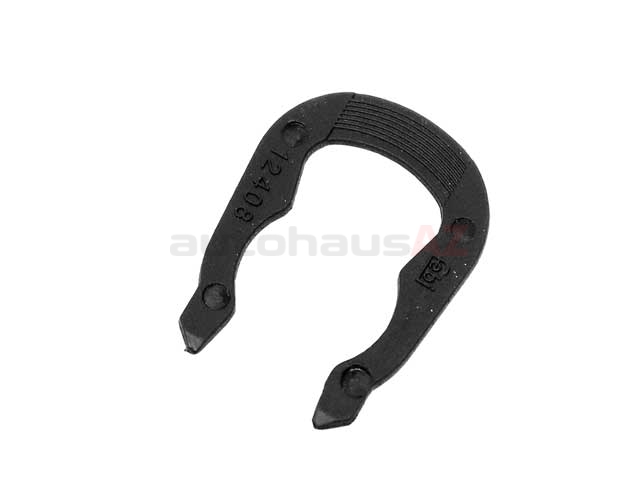
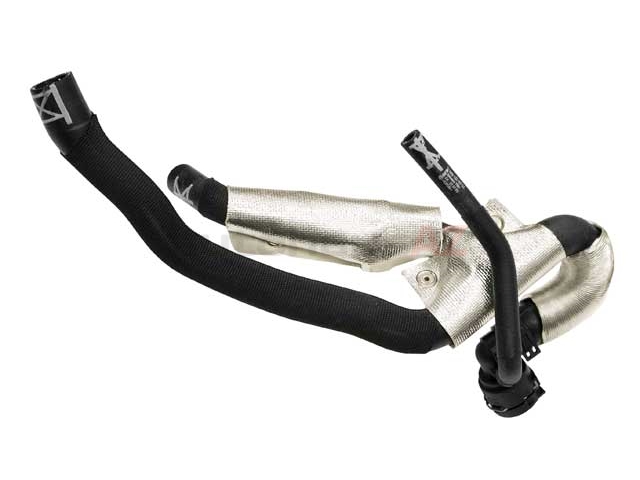
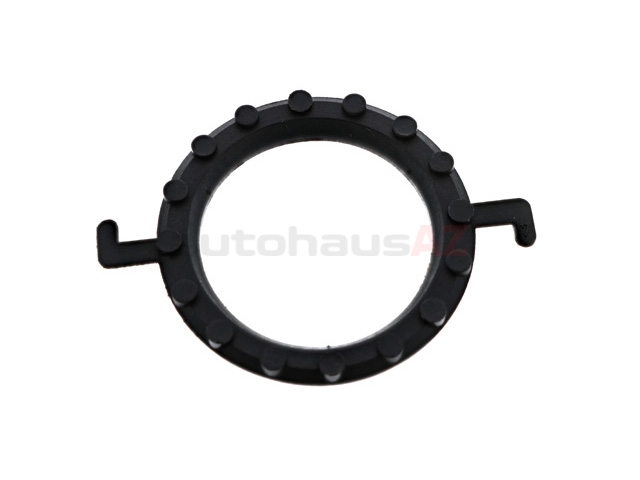
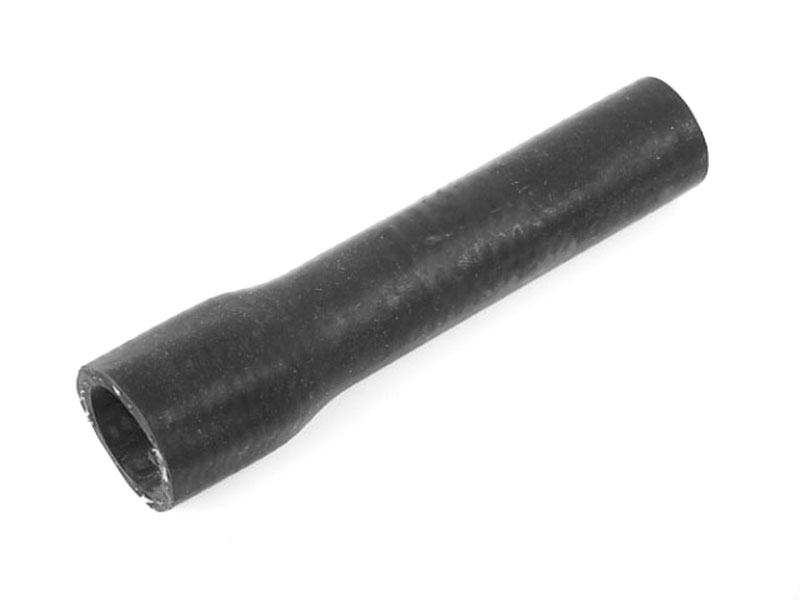
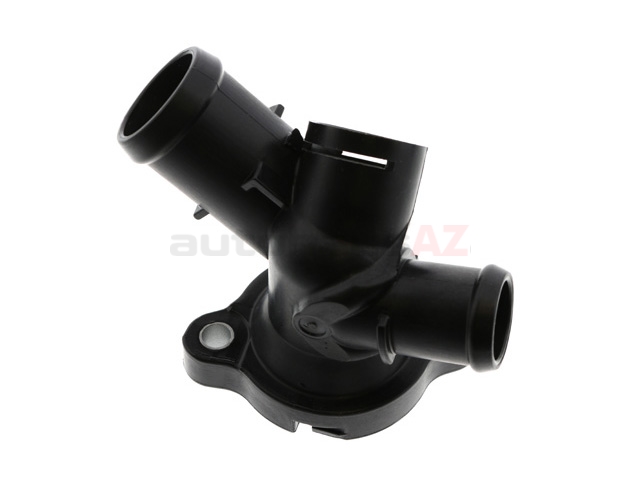

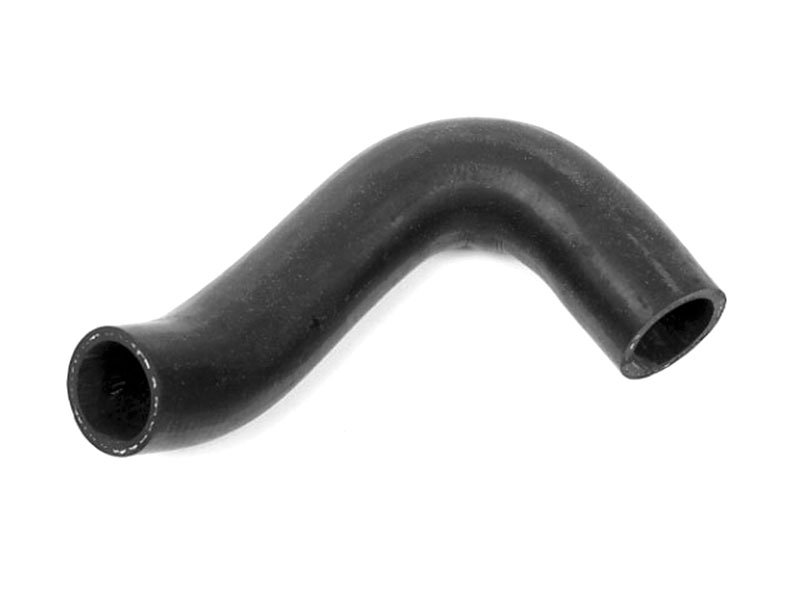
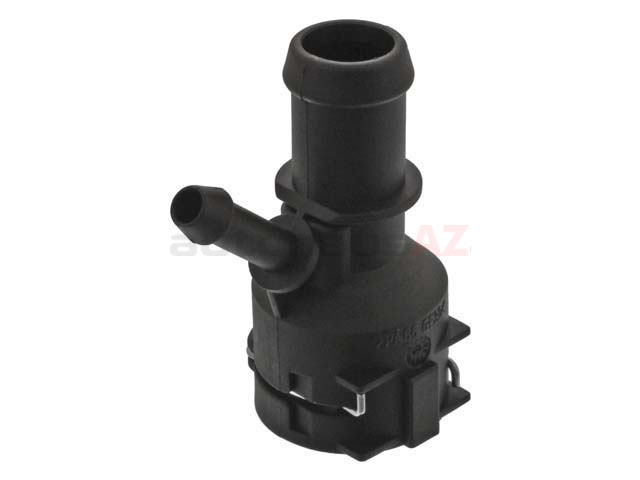
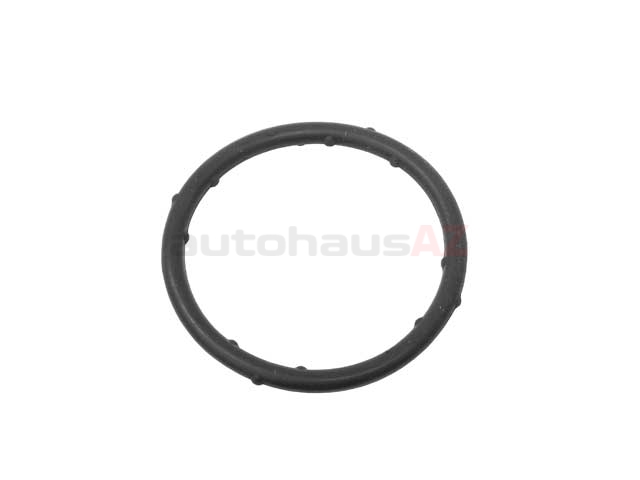
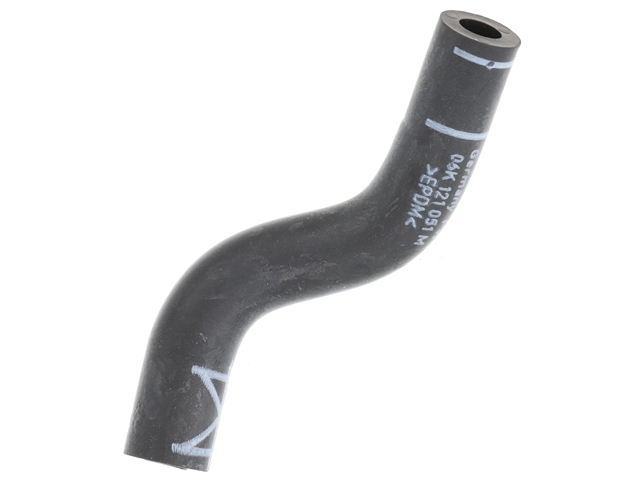


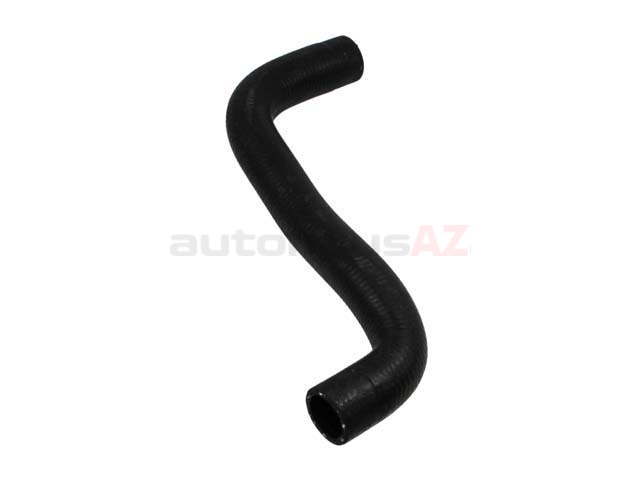
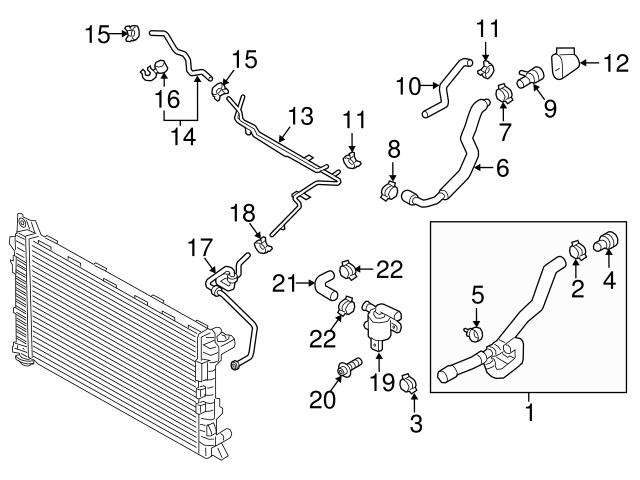
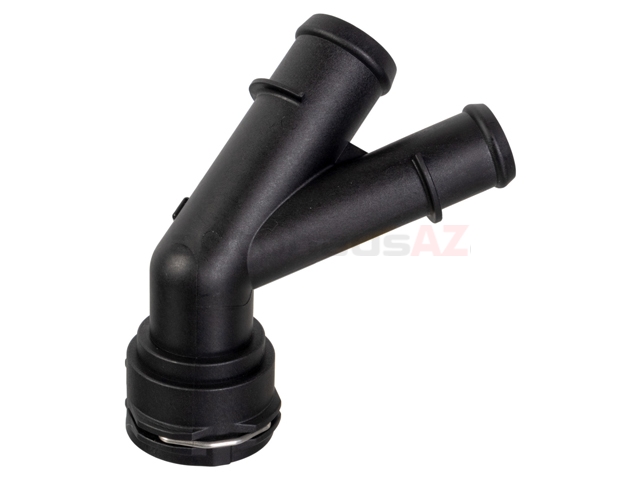
The average price of a VW Rabbit coolant hose is between $0.99 and $235.99.
What Are The Signs Of A Failing VW Rabbit Coolant Hose?
A bad VW Rabbit coolant hose doesn’t always fail quietly. Maybe you spot a small greenish puddle after parking overnight. Sometimes there’s a whiff of sweet syrup under the hood or the inside starts to steam up fast with the heater on. Touch the hose—if it feels squishy, like an old sponge, or you see small bubbles and cracks around the clamps, it’s sending out warning flares. Swollen or pale spots along the hose don’t mean it’s tough; they’re signals that it’s breaking down. Look for wetness at the connections or a sticky residue along the length. Fixing leaks early keeps you from getting stranded or cooking your engine. When you get your oil changed, poke your head under the hood and give those hoses a look.
How Do I Replace A VW Rabbit Coolant Hose?
Changing out a VW Rabbit coolant hose isn’t complicated, but it’s easy to rush and miss something. First, make sure the engine’s stone cold. Twist off the radiator cap gently to let out pressure. Grab a screwdriver or pliers for the clamps—sometimes they’re rusty or stubborn, so go slow. Slide the old hose off; you might need to twist a bit, and expect a splash of coolant. Wipe down the fittings so the new hose seals tight. When you slip the fresh hose on, get the clamps snug—tight enough to hold, but not so tight you cut the rubber. Top up coolant. Bleed out air, since trapped bubbles can make the engine run hot. Fire it up, watch for leaks, and you’re set.
What Size And Type Of Coolant Hose Does The VW Rabbit Use?
The VW Rabbit coolant hose isn’t one-size-fits-all. Main hoses tend to run about 1 to 2 inches in diameter, but secondary lines, like those to the heater core, shrink down some. Molded hoses from the dealer or quality aftermarket shop work best since they’re shaped right for your engine bay and stand up to heat. Universal hoses look tempting but rarely fit quite right—good for emergencies but not long-term. Stick with direct-fit or OEM if you want the right fit on the first try and no leaks popping up later.
Why Is My VW Rabbit Coolant Hose Swelling Or Getting Soft?
If a VW Rabbit coolant hose gets mushy or bulges, it’s taking on more than it can handle. Old, dirty coolant breaks down the rubber inside, and a stray oil leak can eat away at it, too. After a while, the hose loses its backbone and starts swelling at the ends or feeling soft along the length. These aren’t normal wear—they mean something’s corroding the hose from within. If you catch this, swap the hose out right away to steer clear of a roadside mess. Flush out rough coolant and seal up oil leaks so the new hose lasts.
How Often Should I Replace My VW Rabbit Coolant Hose?
Nobody likes surprises, especially from a VW Rabbit coolant hose. Most hold up for five to eight years, maybe longer if you keep fluids clean and temperatures steady. Still, it’s smart to peek at them every few years or when you’re doing other big work. If your Rabbit racks up miles or sees real winter and summer swings, eyeball the hoses once a year. Cracks, lumps, or extra-stiff hoses mean it’s time to replace them—don’t wait for a breakdown. A little routine lets you dodge headaches down the road.
Where Can You Find Affordable VW Rabbit Coolant Hoses?
AutohausAZ keeps things easy when you need a new VW Rabbit coolant hose. Prices stay reasonable, shipping’s quick, and returns don’t turn into a wrestling match. No reason to break the bank or stress out—just order, install, and keep your Rabbit running without any new stories for the mechanic.