
Land Rover Range Rover Ignition Switch Parts
Showing 5 out of 5 part(s) found in our catalog.
Brand
Keyword
Category
Select category below to view parts.
Mon-Fri 8-4 MST/PST (Arizona Time)

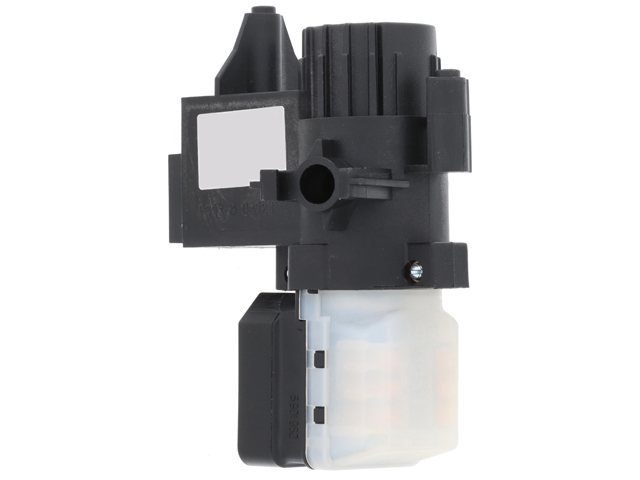


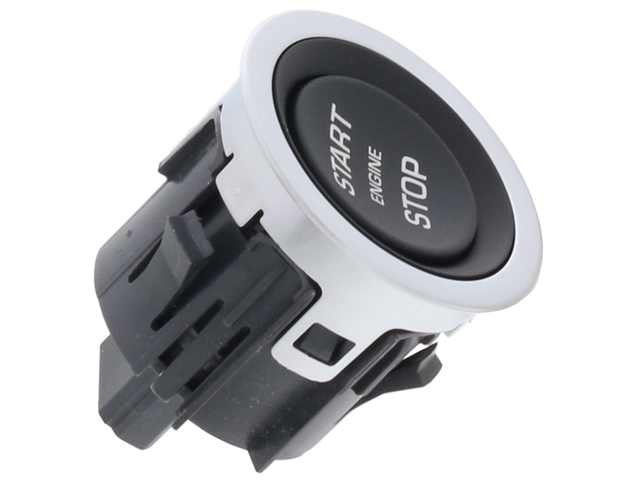
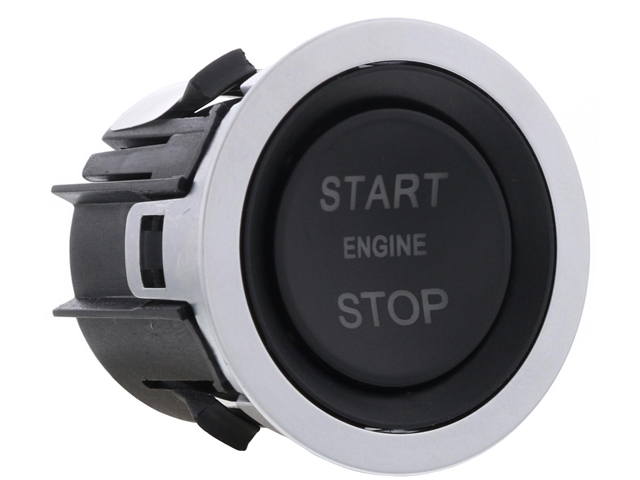
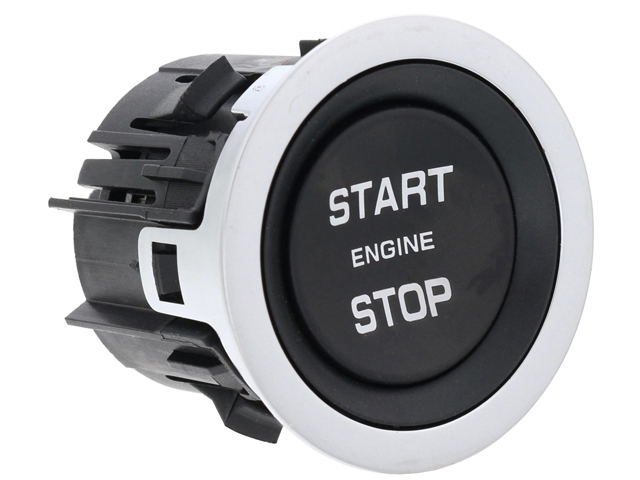
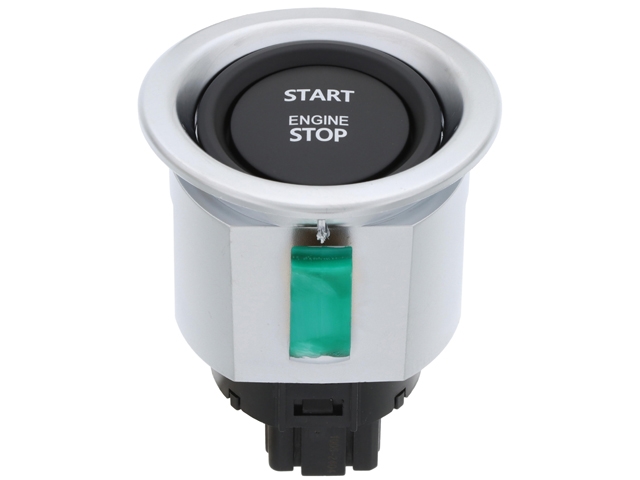
Based on industry averages you can expect to pay between $33.99 and $519.99 for a Land Rover Range Rover ignition switch.
Why Won’t My Land Rover Range Rover Ignition Switch Turn?
There’s not much joy in sitting behind the wheel, turning the key, and getting nowhere. If your Land Rover Range Rover ignition switch won’t budge, a few things could be at play. Sometimes the key itself has worn down and doesn’t make proper contact. Dirt or grit lodged in the ignition cylinder can jam things up, making the key refuse to turn. Another common trouble spot is the steering lock mechanism; if the wheel is locked hard to one side or under pressure, the ignition cylinder may stick. A gentle wiggle of the steering wheel while working the key might do the trick. If not, there could be deeper problems inside the switch assembly, and you might need a technician to give it a closer look.
What Are Common Symptoms Of A Failing Land Rover Range Rover Ignition Switch?
When your Land Rover Range Rover ignition switch starts to give out, the car will let you know in different ways. The engine may hesitate or refuse to start, leaving you stranded in random places. You might spot the dashboard lights flickering, or maybe the radio and climate controls lose power while you’re twisting the key. Sometimes, turning the key doesn’t bring up any accessories at all, like the car has forgotten you’re even there. A shaky, inconsistent experience turning the key is a big red flag. Listen for stalling and beware of sudden electrical hiccups—both signs the switch is on its way out.
How Do I Replace A Land Rover Range Rover Ignition Switch?
Before you start, disconnect the battery. That’s step one. After that, take off the steering column panels, which means unscrewing a handful of bolts underneath. With those out of the way, you’ll see the ignition switch assembly staring right back at you. Unplug the wiring and undo the fixings holding the switch. Once it’s out, line up your new ignition switch, bolt it in, and plug the wiring back in where it belongs. Put everything together in reverse order—panels, screws, then the battery cable. Each model may have its quirks, so double-check your year’s instructions if anything looks unfamiliar.
What Causes A Land Rover Range Rover Ignition Switch To Fail?
Day in, day out, the ignition switch handles a lot of action. Keys wear down, especially if you’ve got a heavy bundle jangling from the ignition. Bits of dirt, a splash of moisture, or plain old age can break down the internal contacts, making the connection less reliable. Sometimes, the wiring to the ignition gets compromised—or the whole assembly could be under recall. When the electrical side of things goes bad, you’re left guessing every time you turn the key. A little routine care—keeping keys light, avoiding spills around the column—can help the switch last longer.
Can I Repair A Faulty Land Rover Range Rover Ignition Switch, Or Does It Need Replacement?
A sticky key or a stubborn tumbler might just need a bit of cleaning to work smoothly again. Spraying a small amount of electrical contact cleaner or using a soft brush sometimes does the job. If the trouble keeps coming back or if the electrical contacts are fried, repairs won’t last long. Frequent no-starts or sudden power loss suggest something deeper is wrong. Swapping out the old switch for a new one is usually the best fix. Mechanics often lean toward replacement—it’s quicker, safer, and your Range Rover’s security isn’t left up in the air.
Where Can You Find The Best Land Rover Range Rover Ignition Switch?
When your ignition switch calls it quits, you want a shop that keeps things simple. At AutohausAZ, the search for a Land Rover Range Rover ignition switch doesn’t drag out. You get straight prices and fast shipping, so there’s no waiting around. Returns are easy if something’s not right. Picking up the right part for your Range Rover doesn’t have to be a headache—and here, it isn’t.