
Mercedes 190C Clutch Slave Cylinder Parts
Showing 2 out of 2 part(s) found in our catalog.
Brand
Keyword
Subcategory
Mon-Fri 8-4 MST/PST (Arizona Time)

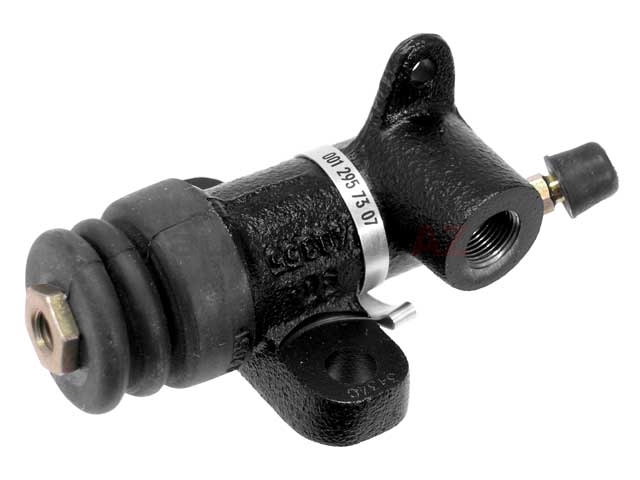


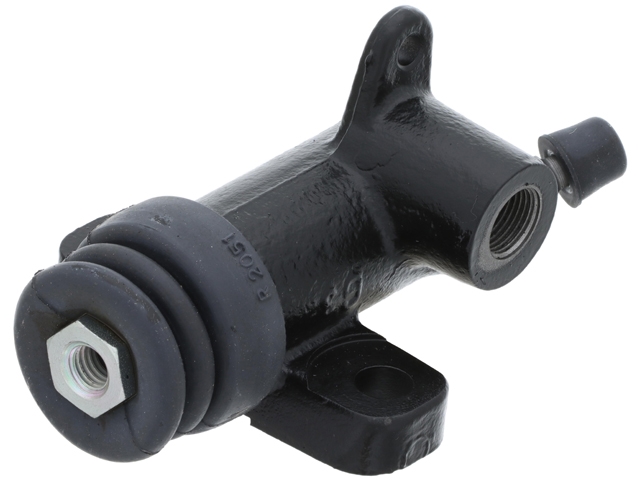
The average price of a Mercedes 190C clutch slave cylinder is between $58.99 and $85.99.
What Are Common Signs Of Mercedes 190C Clutch Slave Cylinder Failure?
Drivers start noticing clutch issues in subtle ways. The clutch pedal begins to feel soft or even spongy underfoot, sometimes sinking lower than normal. Shifting from one gear to the next gets stiff, and the car can shudder or lurch. Look around the cylinder–a telltale drip or smear of fluid may show up. The pedal can also stay stuck to the floor, refusing to spring back. Shifts get rough, gears grind and the car resists engaging or disengaging the clutch. If shifting gets unpredictable or you notice a slick patch below the clutch area, a failing Mercedes 190C clutch slave cylinder is a likely culprit.
How Do You Bleed The Mercedes 190C Clutch Slave Cylinder?
Start with a full master cylinder and clean brake fluid, DOT 3 or DOT 4. Find the bleed screw on the slave. Slip a transparent hose over the screw, dropping the other end into a small jar. Grab a helper. Press down the clutch pedal and hold it. Crack the bleed screw open—watch for fluid and bubbles. Tighten the screw. Release the pedal, then repeat. Work slowly, and don’t rush. You want a smooth, bubble-free line of fluid coming out. By the third or fourth round, pedal resistance usually comes back. If you’re solo, a pressure bleeder can save the day. Bleed until everything feels right, and top off the fluid as needed.
Which Brake Fluid Should Be Used For Mercedes 190C Clutch Slave Cylinder?
Original specs call for DOT 3 or DOT 4 brake fluid. Use what your manual recommends, and don’t mix types. Both brake and clutch systems often draw from the same reservoir, so keep the fluid fresh, clean, and at the right level. The wrong fluid will eat up the seals and may create leaks or cause the clutch to fade faster than it should. Quality fluid makes a difference. Check, change, and top up as needed to keep the Mercedes 190C clutch slave cylinder in reliable shape.
How Long Does A Mercedes 190C Clutch Slave Cylinder Usually Last?
Some drivers go 60,000 miles or more before problems start; others run into trouble much sooner, especially if the car sees hard city driving or has missed fluid changes. Daily commutes with lots of shifting will wear the seals down. Skip the maintenance, and lifespan drops fast. Even so, regular fluid flushes and gentle driving can push the Mercedes 190C clutch slave cylinder far beyond the average. But a leak, soft pedal, or shifting trouble? That’s a sign it could be time for a replacement.
Is It Possible To Rebuild Rather Than Replace The Mercedes 190C Clutch Slave Cylinder?
Yes. Some owners tackle a rebuild, especially if parts are tough to source or they want to keep things original. Rebuild kits usually include all new internal seals and rubber bits. As long as the bore is clean—no deep rust, scratches, or pitting—a careful rebuild will get things going again. If the housing is damaged or worn through, swap the whole cylinder for peace of mind. Clean everything well, follow instructions, and double-check every seal when doing the rebuild.
Where Can You Find an Affordable Mercedes 190C Clutch Slave Cylinder?
Finding an affordable Mercedes 190C clutch slave cylinder doesn’t need to be a chore. Check a few trusted sources online—AutohausAZ jumps to the top for price and delivery speed. A quality cylinder often ships the same day, landing on your doorstep before the weekend drive. Straightforward returns keep the process simple if you end up with the wrong part. Stick with sellers known for classic Mercedes parts, and you’ll be back on the road without blowing the budget.