
Mercedes 240D Clutch Slave Cylinder Parts
Showing 3 out of 3 part(s) found in our catalog.
Brand
Keyword
Subcategory
Mon-Fri 8-4 MST/PST (Arizona Time)




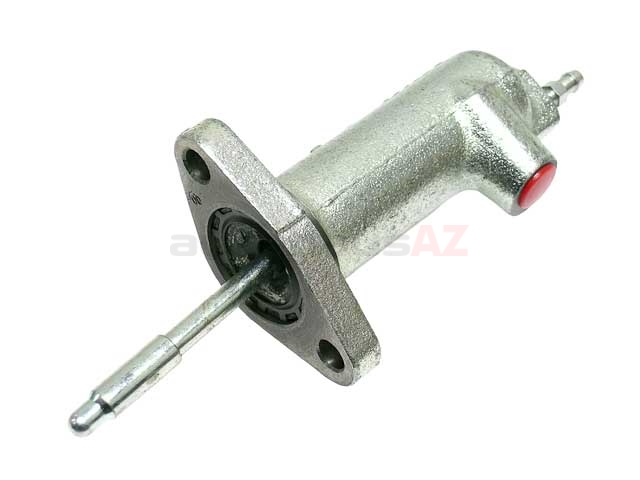
The average cost of a Mercedes 240D clutch slave cylinder is between $31.99 and $52.70.
What Are The Signs Of A Failing Mercedes 240D Clutch Slave Cylinder?
It starts small. Maybe the clutch pedal feels too soft, almost squishy, or there’s more travel than usual before anything happens. Sometimes, shifting into first or reverse takes a bit more force, or grinding begins when you’re on the move. You might spot drops of fluid gathering under the car, right beneath where the transmission sits. If the pedal sinks and won’t come back up, the slave cylinder is likely letting you know it’s time for attention. Ignore these early hints, and you might end up stuck by the side of the road, halfway through a shift. Checking and acting on these warning signs makes repair easier and less expensive.
How Do I Replace The Mercedes 240D Clutch Slave Cylinder?
Get your tools and jack ready. Make sure the car is secure before you slide underneath. The clutch slave cylinder sits on the side of the transmission housing. First, disconnect the hydraulic line—expect a bit of fluid loss. Then, loosen and remove the mounting bolts. Slide out the old cylinder, line up the new one, and tighten those bolts back in. Reconnect the line. Bleeding the system comes next. One person pumps the clutch pedal, and the other opens the bleeder valve to release trapped air. Keep the fluid topped up. Once the pedal feels firm, close it up, lower the car, and give the clutch a test. If shifting feels right, the job is done.
Do I Need To Bleed The Mercedes 240D Clutch System After Slave Cylinder Installation?
Yes, you have to bleed it. Air inside the hydraulic line causes a weak or spongy feel when you press down the pedal. With air trapped, the clutch may not fully disengage, and shifting becomes difficult. The bleeding process pushes old fluid and air out until you see only clean, bubble-free fluid. Keep the reservoir full through the whole job, or you risk drawing in more air. Taking a few extra minutes here means far fewer headaches later.
What Causes The Mercedes 240D Clutch Slave Cylinder To Fail?
Time and use take their toll. Seals inside the cylinder dry out or get eaten away by old, dirty fluid. Sometimes, water sneaks into the system, causing corrosion inside the bore. Use the wrong fluid, and things wear out even faster. Even the best-kept cars see these parts go after enough miles. The key factors: age, heat, dirty or wrong fluid, and corrosion. Stick to the right maintenance routine, and you push those problems years down the road.
How Can I Prolong The Life Of The Mercedes 240D Clutch Slave Cylinder?
Start with the basics—regular checks and fresh fluid. Choose only what the manual calls for. Every so often, glance underneath and around the lines for drips or buildup. If something isn’t right, fix it sooner rather than later. Steady driving pays off, too—no need to slam the clutch or ride it at every light. Keep all fittings clean if you work on the system. These small habits add miles and peace of mind.
Looking For A Reliable Mercedes 240D Clutch Slave Cylinder?
When it’s finally time for a new clutch slave cylinder, you want something that fits right and lasts. You’ll find good options at AutohausAZ, where prices won’t leave your wallet empty. They ship quick, and if you get the wrong part, the return process is hassle-free. You’ll get back on the road without the usual headaches or long waits, ready for whatever the next few years bring.