

Mercedes 280C Voltage Regulator Parts
Showing 2 out of 2 part(s) found in our catalog.
Brand
Keyword
Subcategory
Mon-Fri 8-4 MST/PST (Arizona Time)



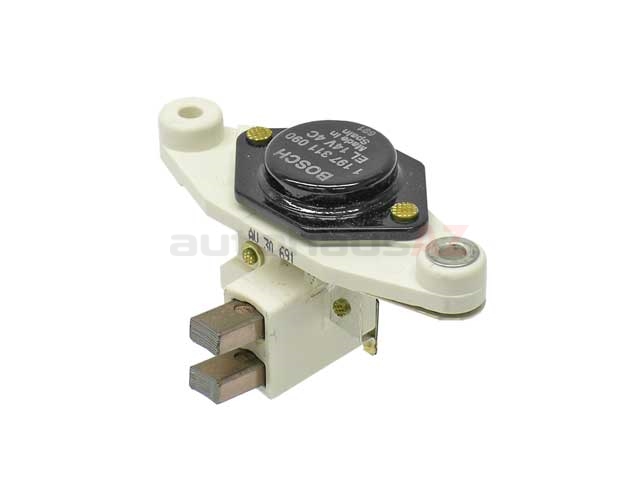
Mercedes 280C voltage regulator typically cost between $23.09 and $47.99.
How Can I Tell If My Mercedes 280C Voltage Regulator Is Failing?
Something feels off with your car, but it doesn’t always scream for attention. One day, the Mercedes 280C voltage regulator acts fine, the next, your headlights flicker when you idle at a stoplight. You notice the battery light popping on and off as you drive, sometimes staying lit just long enough to make you worry. Maybe a sharp, burnt-plastic smell drifts out near your alternator. You pull out the multimeter—numbers jump above 14.5 volts, or drop below 13 volts when the engine’s running. If these little headaches show up together, your regulator’s probably the culprit. Don’t let it slide—catching it early can save you a bunch of electrical headaches and keep you off the side of the road.
Where Is The Voltage Regulator Located On A Mercedes 280C?
Pop the hood. On most Mercedes 280C models, the voltage regulator hides behind the alternator, sometimes bolted directly on the back, other times nestled close on the inner fender. Reaching down from above, you might need to shift a shield or a cover out of the way before you spot it. Older cars aren’t always consistent—model year and engine design might move it an inch or two. When you can’t see it right away, follow the thick wires from the back of the alternator; they’ll point you straight to the Mercedes 280C voltage regulator every time.
What Is The Correct Charging Voltage For The Mercedes 280C?
A healthy Mercedes 280C voltage regulator holds steady between 13.5 volts and 14.5 volts with the engine humming along and accessories off. Dip below that, and your battery might call it quits sooner than you want. Go higher, and your dash lights and electronics could start acting wild or even get fried. Test at the battery with a good multimeter while the car idles. As long as you see numbers in the safe zone, your voltage regulator is pulling its weight. Surging or sagging outside those guidelines means it’s time for a closer look under the hood.
How Hard Is It To Replace The Mercedes 280C Voltage Regulator?
Swapping out the Mercedes 280C voltage regulator isn’t out of reach for most DIY drivers. You’ll want a few basic tools and a little patience. Start with the battery cables—yank the negative side first for safety. Next, unbolt the alternator or just the regulator, depending on how it’s mounted. Some cars let you leave the alternator in place; others need more space to work. Take a few photos at each step to keep track. With everything apart, remove the old unit, slide in the new one, and bolt things back together. The whole job often takes under an hour if things break loose without a fight. If you’re not feeling confident, a shop can get you sorted, but passing up the labor charge feels good when you can handle it yourself.
What Could Cause A New Voltage Regulator To Fail Quickly In My Mercedes 280C?
Brand-new Mercedes 280C voltage regulator and it’s already acting up? That’s a headache no one wants. A worn alternator can pressure the fresh part, sending wild surges its way. Bad cables—loose, corroded, or covered in grime—might spike the voltage at random, taking down a brand-new regulator in days. Sometimes, a careless install leads to a botched ground or mixed-up wires, cutting the part’s life short from the get-go. Not all regulators are made equal, and a cheap aftermarket piece can throw in the towel early. If you upgrade the regulator, double-check the electrical system top to bottom: healthy alternator, clean cable ends, battery in good shape. Otherwise, you may repeat the swap sooner than you’d like.
How Can You Find A Mercedes 280C Voltage Regulator For Less?
You don’t need to pay dealer prices to get your Mercedes back on the road. Hunt for the Mercedes 280C voltage regulator online and check sites that specialize in classic imports. Deals come around when you compare a few shops—or wait for a sale. Some folks swear by used parts from donor cars, though others stick with new to avoid surprises. Before you order, watch for free shipping or a return-friendly shop in case you get the wrong one. If you can get a reliable part, save money, and skip the wait, your best bet is just a few clicks away.