

Mercedes 300SEL Fuel Tank Vent Valve Parts
Showing 2 out of 2 part(s) found in our catalog.
Brand
Keyword
Subcategory
Mon-Fri 8-4 MST/PST (Arizona Time)

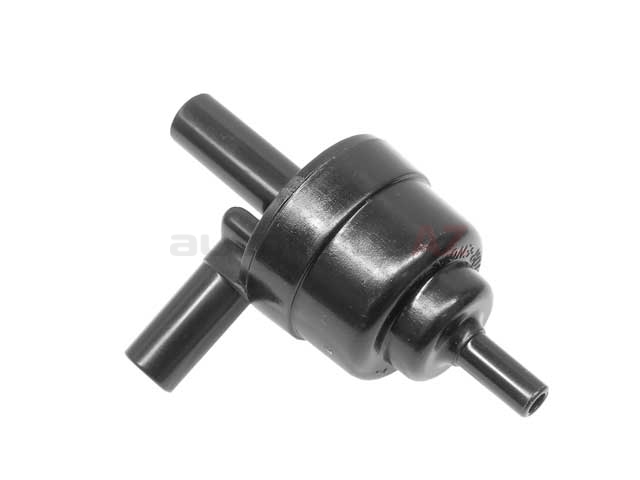



The average cost of a Mercedes 300SEL fuel tank vent valve is between $35.99 and $41.99.
What Is The Purpose Of The Mercedes 300SEL Fuel Tank Vent Valve?
The Mercedes 300SEL fuel tank vent valve serves a key role in how the fuel system works. It manages pressure levels inside the tank by letting fuel vapors escape in a controlled way. Instead of letting fumes drift into the air, the valve routes them to a charcoal canister, keeping emissions low and helping you meet current standards. If this valve does its job, the tank doesn’t end up pressurized or vacuum-sealed, so you avoid performance issues and weird smells. You’ll also lower the risk of damaging the tank itself. In a nutshell, it keeps your car running smooth and helps you stay within the law on emissions.
What Are Common Symptoms Of A Faulty Mercedes 300SEL Fuel Tank Vent Valve?
When this valve isn’t working, you might run into some strange problems. Maybe the pump keeps shutting off while you fill up, or you notice gasoline fumes coming from the car even when you haven’t spilled fuel. Sometimes there’s a check engine light, or you hear a whistling sound coming from the tank area. Another sign: idle seems rough for no clear reason. These issues may point to vent valve trouble, but they can also look like fuel cap problems, making them tricky to pin down. If the valve locks up or gets blocked, it can even make your engine run rich, hurting both power and mileage.
How Does The Mercedes 300SEL Fuel Tank Vent Valve Work?
The Mercedes 300SEL fuel tank vent valve opens up at the right time, letting vapor move from the tank over to the emissions system. That vapor gets stored in a charcoal canister, which keeps it from escaping. Later, the engine burns off those trapped gases as you drive. The design keeps too much pressure or vacuum from building up in the tank. At the same time, it keeps gasoline from leaving through the vent lines. The result? A safer, more reliable fuel system that also follows emissions rules.
How Can You Test Or Diagnose Issues With The Mercedes 300SEL Fuel Tank Vent Valve?
If you think something’s off with the Mercedes 300SEL fuel tank vent valve, there are a few hands-on steps you can take. You might start by listening for a hiss or whistle as you try to fill the tank. If gas pumps shut off early or you smell fuel, those are big clues. A vacuum hand pump comes in handy here; see if the valve opens and shuts when it should. Look at the valve for cracks or spots where it doesn’t seal tight. Mechanics usually plug in a scan tool to check for any codes tied to the emissions system. Staying on top of these things helps you dodge bigger problems later.
How Long Does The Mercedes 300SEL Fuel Tank Vent Valve Typically Last?
A Mercedes 300SEL fuel tank vent valve often lasts as long as the car does if you keep up with maintenance. Many owners see well over 100,000 miles from the original part, unless harsh roads, heat, or dirty fuel cut down on its life. When replacing other parts connected to the fuel or vapor lines, it’s smart to give the vent valve a once-over. Keep things clean around the filler and vent lines, and check for leaks now and then. This simple routine can stretch the valve’s lifespan and keep fuel issues from sneaking up on you.
Why Choose Us For Your Mercedes 300SEL Fuel Tank Vent Valve?
You want your Mercedes 300SEL to keep turning heads, and the right parts make all the difference. At AutohausAZ, we help you take care of your car without stretching your budget. We offer prices on the Mercedes 300SEL fuel tank vent valve that leave dealership quotes in the dust. Fast shipping is a given—we know you want to fix things sooner, not wait around. Messed up your order? Returns are smooth, so exchanges or refunds don’t eat up your time or patience. If anything doesn’t make sense, just ask. Our team gets Mercedes parts, and we’re here to help. We make buying parts simple, which means you spend more time driving and less time hunting for what you need.