

Mercedes 380SE Valve Cover Parts
Showing 1 out of 1 part(s) found in our catalog.
Brand
Keyword
Subcategory
Mon-Fri 8-4 MST/PST (Arizona Time)

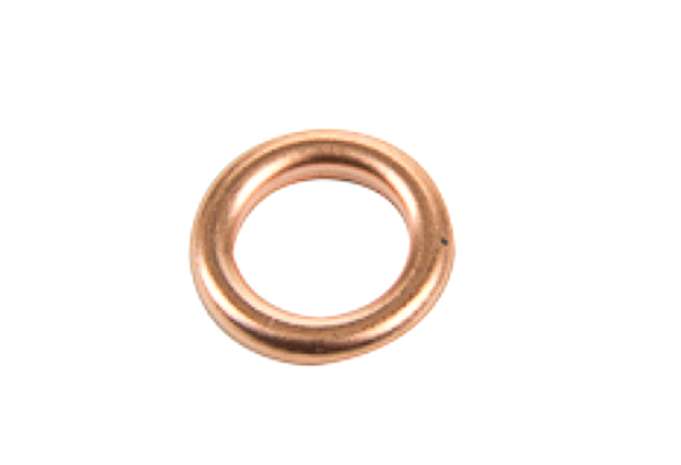


The average price of a Mercedes 380SE valve cover is between $0.79 and $0.79.
What Causes Oil Leaks Around The Mercedes 380SE Valve Cover?
The usual suspect behind oil leaks near a Mercedes 380SE valve cover is the gasket losing its give. Heat from the engine, combined with age, makes this rubbery seal brittle and less able to do its job. Oil then creeps past the gasket and starts collecting on nearby parts, sometimes burning off with a sharp smell or leaving streaks down the block. Sometimes, people tighten down the cover bolts too much, hoping to cure the leak, but this warps the cover or cracks the gasket further—making things worse. Old or poorly fitted gaskets leave gaps too. When changing the gasket, it helps to clean the metal real well and not rush the job. Missing those steps means even a new gasket might let oil slip by.
How Do I Replace The Gasket On The Mercedes 380SE Valve Cover?
Swapping a Mercedes 380SE valve cover gasket isn’t complicated if you’ve got the right tools and a quiet place to work. Start with the negative battery cable—it’s safer that way. Take off whatever’s in your way, be that hoses, wiring, or odds and ends on top of the cover. When you reach the bolts, work them loose bit by bit in a pattern across the top to avoid bending the cover out of shape. Pry the cover up gently, and take a careful look at what’s left behind. Any crumb of old gasket stuck to the head has to go. Wipe both surfaces clean and dry. Line up your new gasket as straight as you can. Drop the cover back on, tightening the bolts to the setting in your manual. Stop way short of cranking them down too hard. Fire up the engine with fresh eyes on the job—if you see a new leak, fix it now before you drive.
What Are The Signs Of A Failing Mercedes 380SE Valve Cover Gasket?
With a Mercedes 380SE valve cover gasket going bad, you’ll spot signs before long. Oil stains you can’t blame on another car? That’s the first clue. Pop the hood and run your finger along the edge of the cover. Slick or grimy, that’s oil making its way out. Sometimes you get a sharp, burnt oil scent when the drips hit a hot manifold. When the problem sticks around, oil can slip down into the spark plug wells, fouling up the works and making the engine stumble or misfire. Ignoring the leak only leads to bigger repairs and trouble later.
Is It Necessary To Use Sealant With The Mercedes 380SE Valve Cover Gasket?
It’s a fair question—should you use sealant with the Mercedes 380SE valve cover gasket? Most new gaskets fit tight and do fine on their own. In fact, too much sealant can gum up the works and cause leaks to get worse. The one exception is when you come to sharp corners or spots around cams, where the factory sometimes dabs on a touch of high-temp RTV. Go light with it—a little does the job, and smearing it everywhere causes more problems than it solves. Always double-check your manual or go by the advice of someone who’s done the job more than once.
How Tight Should The Bolts On The Mercedes 380SE Valve Cover Be?
Those Mercedes 380SE valve cover bolts don’t need brute strength. Too much force cracks the cover or crushes the gasket, letting oil find its way out—exactly what you don’t want. Check your service manual, and you’ll see the number: right around 5 to 8 foot-pounds for most of these cars. Use a torque wrench if you’ve got one, and zigzag across the cover as you tighten. This keeps the gasket pressing down evenly. After a drive or two, give the bolts a quick check. They tend to loosen as the gasket settles in.
Why Choose Us For Your Mercedes 380SE Valve Cover?
Buying from AutohausAZ keeps things easy and honest. You catch a fair price, you get your Mercedes 380SE valve cover shipped without a wait, and you’re not jumping through hoops if something’s not right. We treat your order like we’d want ours handled—straightforward, no surprises, and with your car back on the road as soon as possible. That’s our standard.