

Mercedes 380SEC Heater Valve Parts
Showing 3 out of 3 part(s) found in our catalog.
Brand
Keyword
Category
Select category below to view parts.
Mon-Fri 8-4 MST/PST (Arizona Time)



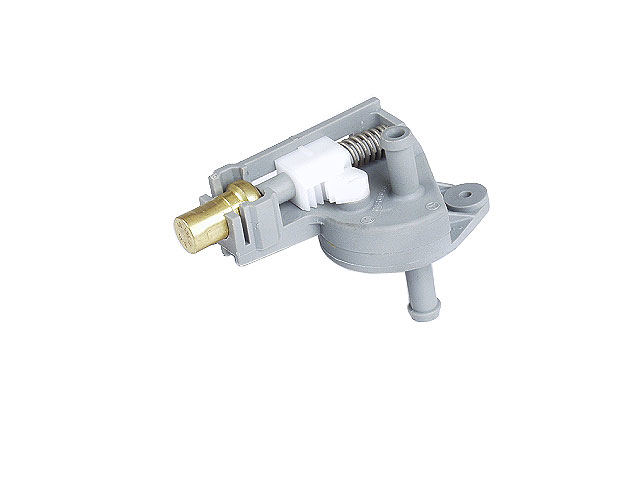
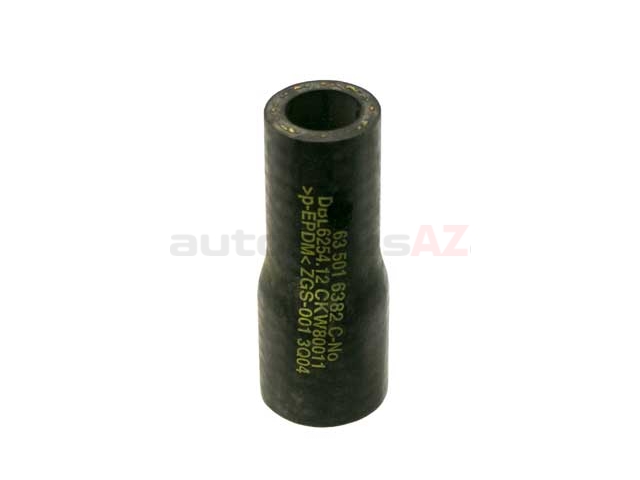
Based on industry averages you can expect to pay between $8.69 and $120.99 for a Mercedes 380SEC heater valve.
What Are Common Signs Of A Faulty Mercedes 380SEC Heater Valve?
Heater problems in the Mercedes 380SEC turn up in a few obvious ways. You might crank the heat but only get cold air. Some drivers find the temperature stuck on one setting, with the air refusing to switch from hot to cold, or the other way around. Coolant puddles or damp spots near the footwell by the firewall sometimes point to a leak from the valve. Clicking, knocking, or hissing sounds close to where the hoses run into the cabin are another tipoff. If you spot any of these, check the heater valve for crusted coolant, rust, or parts that don’t move. Jumping on these problems early can stop bigger hassles down the road.
How Can I Test The Mercedes 380SEC Heater Valve?
To test the heater valve, start the car and let it reach normal operating temp. Switch the heater controls back and forth, feeling for any change in vent air temperature. If the air stays cold, look at the vacuum line attached to the valve—pull it off and put it back on, listening or feeling for any movement or click inside the housing. Sometimes a handheld vacuum pump helps check for leaks or stuck parts. If you spot coolant, or the valve never budges, swap it out. These checks help confirm if the heater valve is the problem before you pull anything else apart.
Where Is The Mercedes 380SEC Heater Valve Located?
You’ll usually spot the Mercedes 380SEC heater valve behind the engine bay, passenger side, mounted on or near the firewall. Follow the thick heater hoses from the motor—one of them leads right to it. Most valves look like a small cylinder or square with hoses and either vacuum lines or a connector plugging in. In some cars, a plastic cover hides part of it, so you might need to pop that off for a better view. Knowing this spot cuts the time it takes to check or change the valve.
What Causes Mercedes 380SEC Heater Valve Failure?
Heater valves in the 380SEC quit for a few reasons. Age and heat turn rubber seals brittle, making them leak. Sometimes deposits build up inside and jam the moving parts. If a vacuum hose anywhere in the system cracks or slips off, the valve stops working. Valves with electric switches can suffer broken wiring or a worn solenoid. Keeping coolant fresh and checking the vacuum setup once in a while helps the valve last longer. A quick look now and then can keep you from being caught out on a cold morning.
How Difficult Is It To Replace The Mercedes 380SEC Heater Valve?
Swapping the heater valve on a 380SEC is manageable for most do-it-yourselfers. You’ll need to drain some coolant first. Then, loosen hose clamps, unplug connectors, and unscrew any mounts. Pop the old valve off, put the new one in place, and reattach everything. Refill the coolant and bleed out air pockets. It’s not a tough job, but go slow to avoid splashing coolant and double-check those hoses for a good seal. For most people, this job takes an hour or two and gets the heat blowing again.
How Can You Easily Find A Mercedes 380SEC Heater Valve?
You won’t have to search long for a heater valve at AutohausAZ. They stock these parts for the 380SEC at prices that won’t drain your wallet. Shipping is quick, and if you pick the wrong part, returns are straightforward. Keep your Mercedes cozy this season—order your valve and get back to cruising in comfort.