
Mercedes 380SL Brake Master Cylinder Parts
Showing 6 out of 6 part(s) found in our catalog.
Brand
Keyword
Subcategory
Mon-Fri 8-4 MST/PST (Arizona Time)

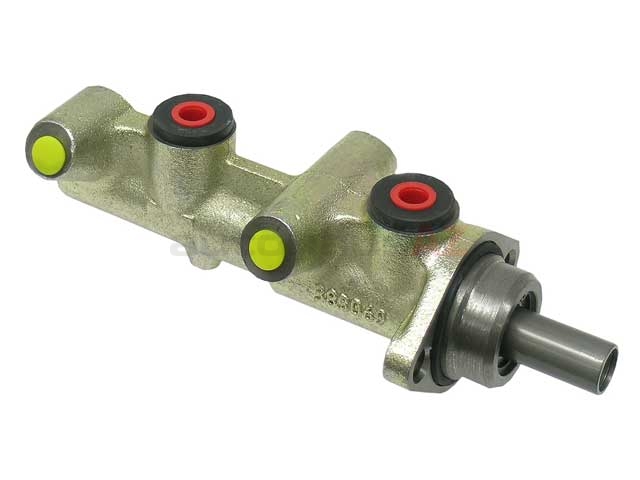


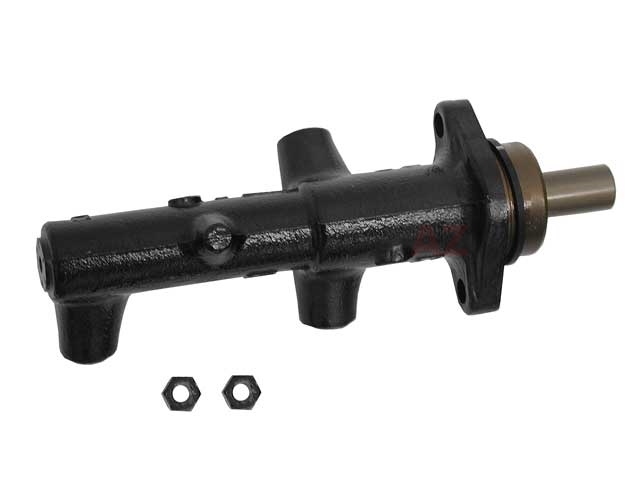
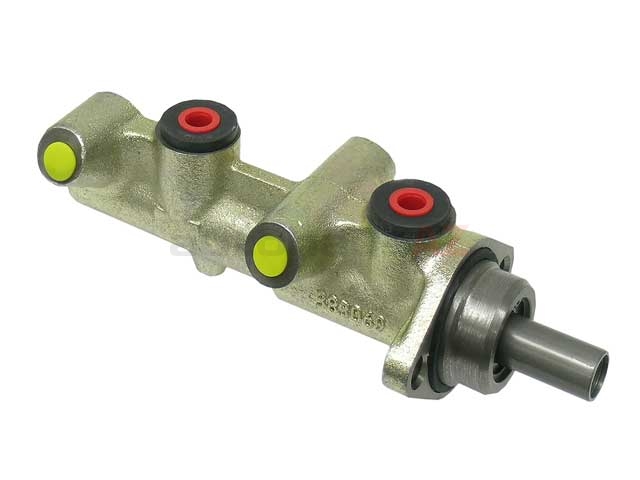

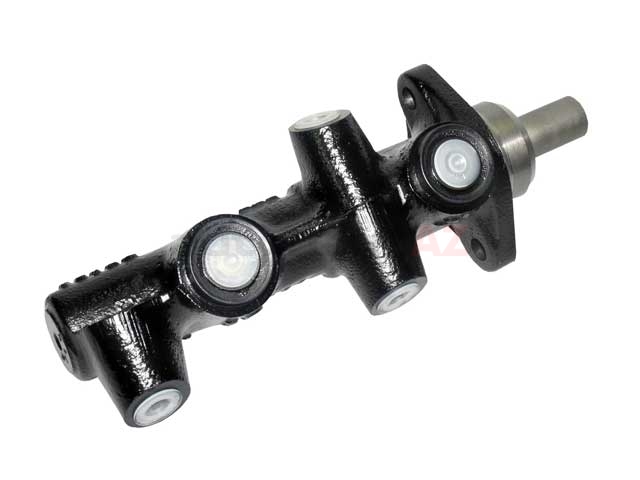
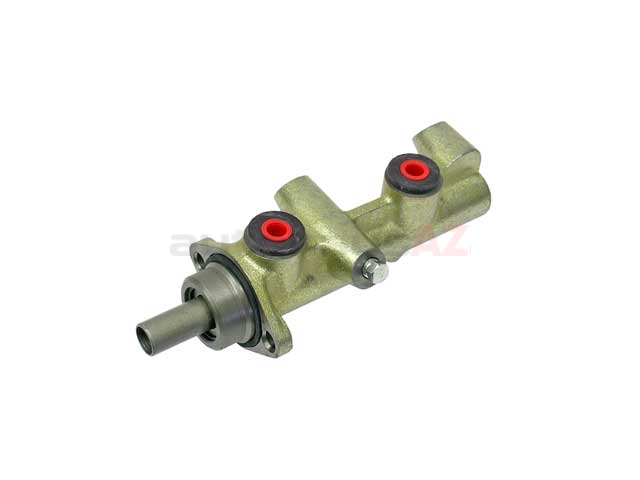
Mercedes 380SL brake master cylinder typically cost between $53.99 and $223.99.
What Are Common Symptoms Of A Failing Mercedes 380SL Brake Master Cylinder?
When the Mercedes 380SL brake master cylinder starts to go bad, drivers usually notice a few clear warning signs. One of the first things you might feel is a spongy or soft brake pedal under your foot, or you might notice the pedal slowly sinking toward the floor while you’re stopped at a light. Sometimes you’ll spot leaks near the bottom of the master cylinder or realize the brake fluid level keeps dropping. Another red flag is if your car takes longer to slow down or the brakes don’t seem as strong as usual. In some cases, the brake warning light might come on, but with an older car like the 380SL, it’s often about how the pedal feels and what you can see. If anything seems off, don’t let it slide—a faulty brake master cylinder is a safety issue.
How Can I Tell If My Mercedes 380SL Brake Master Cylinder Needs To Be Replaced?
To figure out if the Mercedes 380SL brake master cylinder needs to be replaced, start by checking around the master cylinder and the brake booster for any signs of brake fluid. Look under the dash too; sometimes leaking fluid can drip down inside the car. Take notice if pressing the brake pedal feels too easy or if it travels farther than it used to. A quick, safe test drive can also help—if the pedal sinks or stops working right after a few pumps, the master cylinder is likely the culprit. Don’t ignore these issues, as they’ll only get worse over time and could leave you without brakes when you need them most.
What Is The Correct Brake Fluid For A Mercedes 380SL Brake Master Cylinder?
Your Mercedes 380SL brake master cylinder is designed for DOT 4 brake fluid. While DOT 3 might work in a pinch, it isn’t recommended for the long haul, since it doesn’t offer the same performance or protection. Always double-check the cap on your reservoir as well—most will have the correct type stamped right on top. When adding fluid, make sure everything is clean, and try not to mix types, as that can cause trouble for the seals and other parts. Sticking with quality DOT 4 will help your braking system do its job and last longer.
Is It Difficult To Replace A Mercedes 380SL Brake Master Cylinder?
Replacing a Mercedes 380SL brake master cylinder isn’t the hardest job, but it does take some time and care. If you’re comfortable working on cars, you’ll remove the old cylinder by disconnecting the brake lines and taking off a few bolts. The tricky part is making sure dirt doesn’t get in the system and that you bleed the brakes thoroughly afterward. It’s not a race—take your time, and make sure everything is tight and leak-free before you drive. If you’re at all unsure, it might be worth getting a second pair of hands or calling in a professional for the final steps.
Do I Need To Bench Bleed The New Mercedes 380SL Brake Master Cylinder Before Installation?
Yes, it’s best to bench bleed the new Mercedes 380SL brake master cylinder before you put it on the car. This step gets rid of any trapped air inside the cylinder, which helps make sure the brake pedal feels firm when you’re done. The process is straightforward: mount it in a vice, attach the bleeding kit, and slowly push fluid through until only clean fluid (no air bubbles) comes out. Skipping this can lead to a soft pedal and more hassle later, so it’s worth the few extra minutes up front.
Looking For Affordable Mercedes 380SL Brake Master Cylinders?
We know keeping your Mercedes 380SL on the road shouldn’t cost a fortune. At AutohausAZ, we make it easy to find quality brake master cylinders without the high price tag. Orders ship quickly, and if you have any questions or need to return a part, we work hard to keep things simple. Your classic Benz deserves nothing less—count on us to help you keep it in top shape.