
Mercedes 450SE Control Arm Bushing Parts
Showing 2 out of 2 part(s) found in our catalog.
Brand
Keyword
Subcategory
Mon-Fri 8-4 MST/PST (Arizona Time)

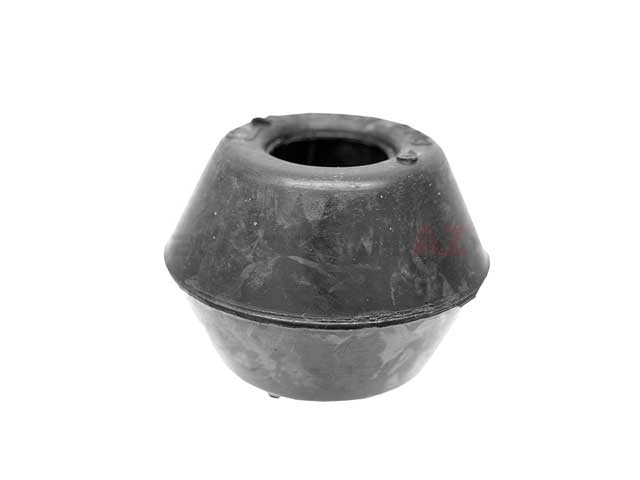



The average price of a Mercedes 450SE control arm bushing is between $2.19 and $6.89.
What Are The Signs Of Worn Mercedes 450SE Control Arm Bushing?
When the Mercedes 450SE control arm bushing starts to fail, the car gives off a few clear clues. Tire edges may wear out faster than normal. Over bumps, you might hear unexpected clunks or rattles from the front. Sometimes the car doesn’t track straight, or the steering feels slow to respond. There can be a light shudder in the steering wheel, and you may notice the car drifts more than usual during turns. If you put it off, these symptoms only grow and can turn an easy fix into a complex suspension job. Checking the bushings during routine service can prevent headaches and extra costs.
How Difficult Is It To Replace A Mercedes 450SE Control Arm Bushing?
Changing out a Mercedes 450SE control arm bushing is a hands-on task, not for the faint of heart or the first-timer. The car needs to be safely lifted, the wheels come off, and a range of bolts must be loosened. The bushings themselves might be stuck tight after years of use, so you’ll often need a press or special tool. Some DIYers enjoy the challenge, but plenty hand it off to a pro, especially if space or the right tools are lacking. Safety comes first, so take your time and follow the guide for your model closely.
What Causes Mercedes 450SE Control Arm Bushing To Wear Out?
Several things speed up Mercedes 450SE control arm bushing failure. Over time, rubber cracks from age and sun. Constant stress from potholes, rough roads, or carrying heavy loads also hits hard. Road grime, salt, and moisture slowly break down the bushing’s strength. Sometimes, it’s just how the car is driven—hard turns or quick stops take a toll. Skipping regular checks lets small issues grow. With the right care and good roads, bushings last longer, but eventually, they all wear out.
Should I Replace Both Control Arm Bushings At The Same Time?
Yes, most mechanics suggest changing both Mercedes 450SE control arm bushings together. If you swap only one, the old side can be quickly outpaced, which throws off the balance. The car might feel tight on one side but sloppy on the other. Doing both brings back the smooth, even feel in corners and straights. Plus, it saves time and money if you have to pay for labor—better to get it all done at once than go back for round two.
What Type Of Mercedes 450SE Control Arm Bushing Material Is Best?
Materials matter. If you want ride comfort and close to the original factory feel, stick with rubber Mercedes 450SE control arm bushings. They keep things quiet and soft. Polyurethane bushings are for drivers who want firmer handling, maybe sacrificing some comfort for cornering grip and longer lifespan. Each has its fans. Daily drivers tend to go rubber; enthusiasts might lean toward the stiffer choice. Check with a trusted shop if in doubt—what works for one person may not suit another.
How Do You Find The Best Mercedes 450SE Control Arm Bushing?
Finding a top fit for your Mercedes 450SE control arm bushing isn’t rocket science. AutohausAZ makes it simple. Pick your part, grab a discount, and expect it to ship out quickly. Change your mind or order the wrong size? Returns are smooth, no hoops to jump through. The whole process? Straightforward, which saves stress during an already stressful repair.