

Mercedes 560SL Blower Motor Regulator Parts
Showing 1 out of 1 part(s) found in our catalog.
Brand
Keyword
Subcategory
Mon-Fri 8-4 MST/PST (Arizona Time)

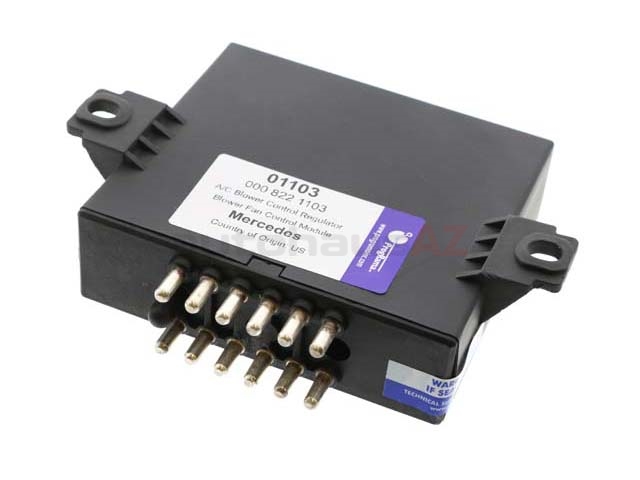


Mercedes 560SL blower motor regulator typically cost between $326.99 and $326.99.
What Are The Signs Of A Failing Mercedes 560SL Blower Motor Regulator?
If your Mercedes 560SL blower motor regulator isn’t working right, some clues show up pretty fast. You might crank the fan control, but the vent speed barely changes, or it only blasts air at one speed no matter what you do. Sometimes the blower just quits, then flips back on out of nowhere. It can get stuck on high, or silent even if the settings say otherwise. You could also notice a faint burning smell, or clicking noises from behind the dash when you try to adjust the fan. Spotting these early helps keep the air inside the car working smoothly and saves bigger headaches later.
Where Is The Blower Motor Regulator Located In The Mercedes 560SL?
The Mercedes 560SL blower motor regulator isn’t front and center. It hides behind the dashboard, close to the blower motor itself, usually near or behind the glove box. To reach it, most folks start by removing the glove box or a few trim panels nearby. Once those parts are out, you’ll spot the regulator sitting close to the blower housing. Disconnecting the battery before poking around helps avoid any unwanted electrical surprises. If it’s your first time digging around in a 560SL, having a diagram or service manual within reach makes things much less confusing.
Can I Replace The Mercedes 560SL Blower Motor Regulator Myself?
Replacing the Mercedes 560SL blower motor regulator is a job plenty of DIYers tackle at home. A steady hand and basic tools usually do the trick. Access is tight, so patience counts, and taking photos as you go saves a lot of trouble later. Take care unplugging connectors—they can stick after years in one spot. If you’re not used to poking around car wiring, no shame in handing it off to a shop. But if you like turning your own wrenches, this is doable and can save you real money. While you’re in there, check for corroded connectors or brittle wires too, since fixing these now can save another teardown later.
What Causes The Blower Motor Regulator To Fail On A Mercedes 560SL?
The Mercedes 560SL blower motor regulator fails for different reasons. Time is one—years of hot and cold cycles wear parts out. Grit, dust, or a little water sneaking into the ducts can corrode the contacts or short things out. Sometimes a blower motor running rough draws more current and overheats the regulator, burning it up from the inside. Worn-out wiring or old, loose connectors don’t help either. Keeping the air system clean and plugged up tight keeps the regulator happier for longer.
How Can I Test If My Mercedes 560SL Blower Motor Regulator Is Bad?
Testing a Mercedes 560SL blower motor regulator starts with checking voltage at the blower motor. Use a multimeter. If power goes in but the blower ignores different speed settings, the regulator is likely shot. Try powering the blower straight from the battery. If the fan comes to life, the regulator’s probably the culprit. Burnt plastic smells around the unit, or signs of melted bits, are more warnings. Always check the fuses and relays nearby first—sometimes the fix is easier than it looks at first glance.
Why Choose AutohausAZ For Your Mercedes 560SL Blower Motor Regulator?
With AutohausAZ, getting your Mercedes 560SL blower motor regulator is simple. You’ll find good prices right up front and parts that fit right. We ship orders fast, and if you end up needing a return, the process goes smoothly. Your 560SL ends up with the right piece—no hassles, no markups, and less downtime.