

Mercedes C55 Brake Master Cylinder Parts
Showing 2 out of 2 part(s) found in our catalog.
Brand
Keyword
Subcategory
Mon-Fri 8-4 MST/PST (Arizona Time)

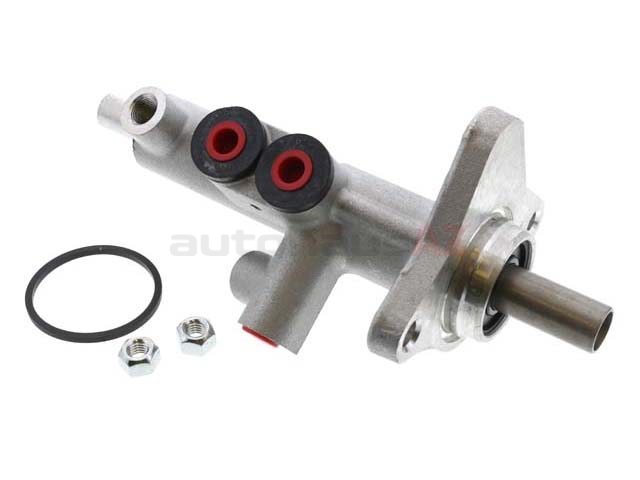


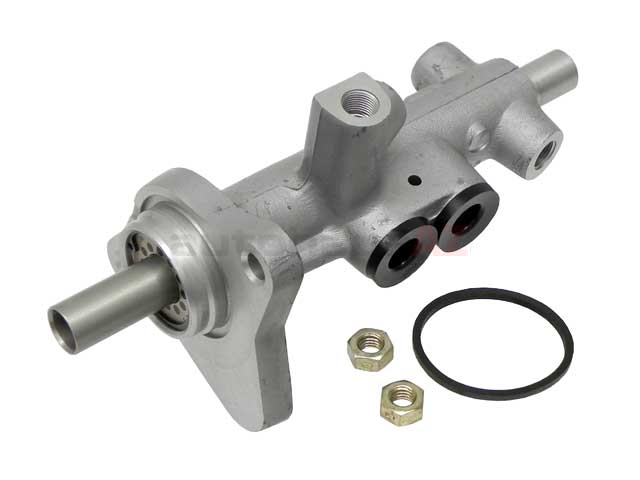
The average price of a Mercedes C55 brake master cylinder is between $83.99 and $246.99.
What Are The Common Symptoms Of A Faulty Mercedes C55 Brake Master Cylinder?
When the Mercedes C55 brake master cylinder starts causing trouble, you’ll notice a few classic warning signs. One of the first is a brake pedal that feels soft or sinks closer to the floor than usual. Sometimes, you’ll spot brake fluid leaking near the firewall or underneath your car. It’s also common for your brake warning light to pop up on the dash. If the car doesn’t stop as quickly as it used to, or you find yourself needing to pump the pedal to get decent braking, those are big red flags, too. Catching these symptoms early can save you from bigger headaches down the road.
How Can I Tell If The Brake Master Cylinder Is The Source Of Brake Issues?
To zero in on a Mercedes C55 brake master cylinder problem, pay attention to how the brake pedal feels. An inconsistent pedal—sometimes firm, sometimes mushy—suggests something’s off inside the master cylinder. Check for any brake fluid leaking around or beneath the master cylinder, which sits right at the back of the engine bay. If you press the pedal and it slowly creeps lower instead of holding steady, that’s often a giveaway that fluid is slipping past seals inside the cylinder itself. If these issues line up with what you’re experiencing, chances are good the master cylinder is to blame rather than the calipers or brake lines.
What Parts Should Be Replaced Alongside The Master Cylinder?
Swapping out a Mercedes C55 brake master cylinder is the perfect time to check a few other pieces, too. The fluid reservoir sometimes gets brittle with age, so if it feels cracked or looks dirty inside, it’s worth replacing. Always plan to flush out the old brake fluid and top up with fresh DOT 4—you don’t want old gunk in your new cylinder. Take a close look at all the brake lines and hoses for any signs of wear, rust, or leaks, and replace them if needed. Check that rubber gaskets and bleeder screws are in good shape for a solid, leak-free job.
What Is The Average Lifespan Of A Mercedes C55 Brake Master Cylinder?
On average, the Mercedes C55 brake master cylinder will serve you well somewhere between 100,000 and 150,000 miles. Its lifespan depends a lot on how you drive and how well the brake system has been cared for. Regular brake fluid changes, keeping dirt and moisture out, and not beating too hard on the brakes all help extend its life. If the car spends a lot of time in rough weather or sees track days, it may wear out faster. With good upkeep, though, most drivers won’t have to think about it more than once during their ownership.
Can A Brake Master Cylinder Be Rebuilt Or Should It Be Replaced?
There are rebuild kits for the Mercedes C55 brake master cylinder, and if the main body is still in good shape, you can swap out the internal seals. That said, a full replacement is usually the smarter move, especially on a high-performance car. New master cylinders aren’t outrageously expensive and give better peace of mind than trying to fix an old, worn part. If you see pitting, corrosion, or significant wear, replacing the entire unit is the best way to go—so you know your brakes will be reliable when you need them most.
How Can You Save On A Mercedes C55 Brake Master Cylinder?
At AutohausAZ, you can pick up a Mercedes C55 brake master cylinder for less than you might expect. The discounts are solid, shipping is quick, and if you get the wrong part, returns are easy and headache-free. It’s a low-stress way to keep your car’s brakes working like they should—and keep a little extra in your pocket at the same time.