

Mercedes CLK320 Coolant Hose Parts
Showing 6 out of 6 part(s) found in our catalog.
Brand
Keyword
Category
Select category below to view parts.
Mon-Fri 8-4 MST/PST (Arizona Time)





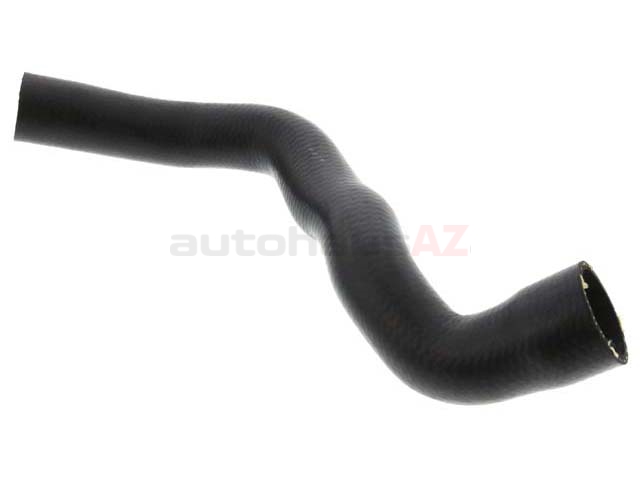
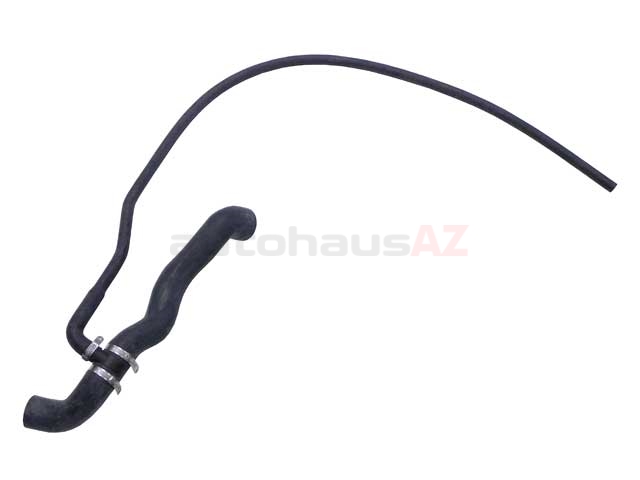
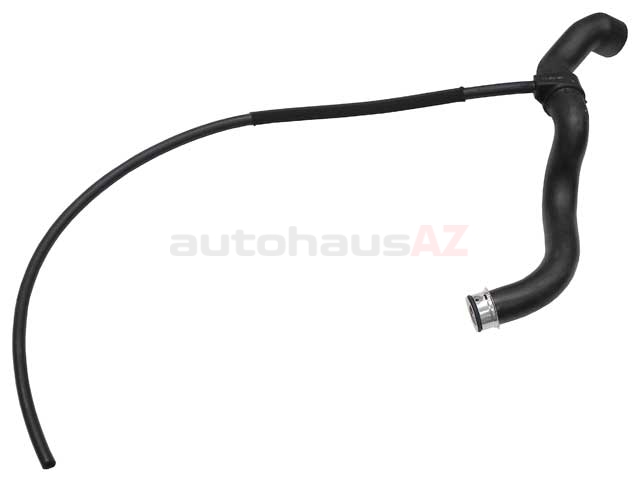
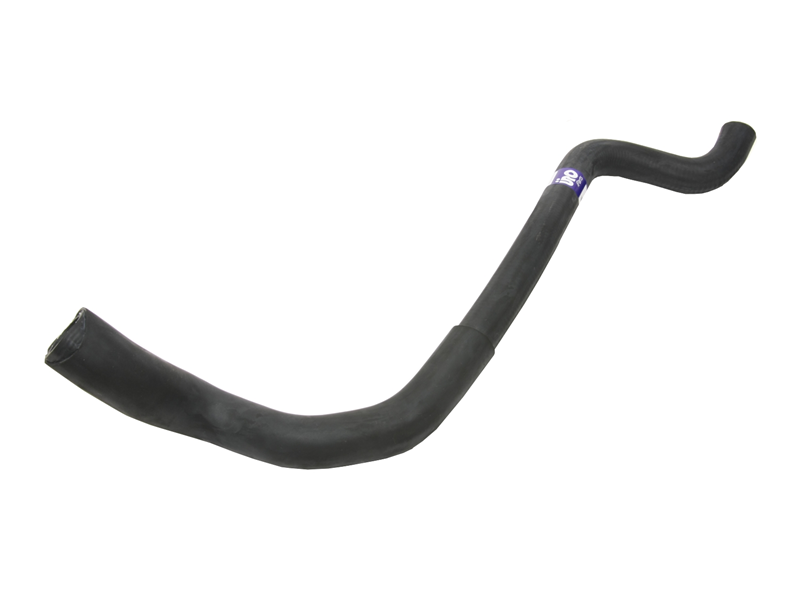
Based on industry averages you can expect to pay between $1.49 and $116.99 for a Mercedes CLK320 coolant hose.
What Are The Common Signs Of A Failing Mercedes CLK320 Coolant Hose?
A failing Mercedes CLK320 coolant hose rarely stays quiet for long. Cracks sneak across the surface. Sometimes, the rubber gets puffy or even collapses in spots. You might notice a drip in the garage or a bright green puddle under the car, marking where coolant slipped out. It isn’t unusual to catch a strong, sugary smell under the hood—coolant burning off hot metal. Clusters of white residue crop up at hose ends or around clamps. If the needle on your temperature gauge climbs higher than you’re used to, or if your dash throws a coolant warning, don’t shrug it off. Early on, you can catch these signs during a visual check—rubber that feels mushy, spots that look swollen, or sections that feel oddly brittle. Always let everything cool off before poking around, because burst hoses spray scalding coolant.
How Often Should The Mercedes CLK320 Coolant Hose Be Replaced?
Typically, you’re looking at 60,000 to 90,000 miles before a Mercedes CLK320 coolant hose needs swapping, though real life doesn’t always follow the book. Some hoses last longer, others need replacement sooner, especially under harsh driving or temperature swings. Lean on your senses—catch anything that feels soft, sticky, or extra hard during an oil change, and take a closer look. Don’t wait for a hose to fail before thinking about the rest. If one’s gone bad, bet that others aren’t far behind. Extreme summers, bitter cold, rough roads, even long idle times can wear hoses faster. Eye them during yearly maintenance, and if there’s a doubt, err on the side of caution—coolant leaks never end well.
What Coolant Hose Size Does The Mercedes CLK320 Use?
Finding the right Mercedes CLK320 coolant hose size calls for more than a quick guess. Main radiator hoses often come in at about 1.5 inches interior diameter, while heater hoses shrink down to just under an inch, sometimes closer to 0.75 depending on the part. Models and production years sometimes shuffle hose shapes, lengths, and sizes. Always check fitment against your year and VIN to dodge a mismatch. Choosing the wrong size leads to loose seals or pinched rubber. If you don’t have an old hose for comparison, dealer specs or OEM diagrams are your safest bet. The right fit makes the difference between a snug seal and a mess on your driveway.
Is It Difficult To Replace The Mercedes CLK320 Coolant Hose Yourself?
Replacing a Mercedes CLK320 coolant hose lands somewhere in the middle—easier than suspension work, trickier than swapping a filter. Some spots, especially those tucked behind the engine or crammed near the firewall, test your patience. Others come off with just a twist and a tug. Essential steps: let the engine cool, drain the coolant into a catch pan, loosen up any clamps, and coax the hose free. Rubber sometimes sticks, so a gentle wiggle or a few drops of lubricant help. New clamps are usually cheap insurance—swap them if rust comes knocking. After the hose is on, refill coolant and bleed trapped air so no pockets cause overheating. Take it slow, double-check work, and you’ll get there without much fuss.
What Types Of Coolant Hose Materials Are Recommended For The Mercedes CLK320?
Every Mercedes CLK320 coolant hose has its battle scars, and choosing the right material matters. Most stick with EPDM rubber for daily driving. It resists heat, fits like original, and handles everyday pressure. For a step up, silicone hoses attract owners who want durability and better temperature protection. They shrug off extremes, last longer, and resist chemical breakdown, but they cost more. Don’t use generic hoses off the rack—they rarely stand up to engine heat. Always look for hoses made to fit your car’s year and model, from brands that know their stuff. Materials matter: cheap out, and you’ll be replacing hoses more often than you’d like.
Need A Mercedes CLK320 Coolant Hose Fast And Affordable?
AutohausAZ keeps it simple. Find a Mercedes CLK320 coolant hose quickly, save extra cash, and skip the headache of waiting. Shipping moves fast, and if you pick the wrong part, their return process works as it should. No games, just parts that fit and don’t eat up your whole weekend. Bring your CLK320 back on the road and keep money in your pocket—that’s the goal.