
Mercedes CLK550 Brake Hose Parts
Showing 2 out of 2 part(s) found in our catalog.
Brand
Keyword
Category
Select category below to view parts.
Mon-Fri 8-4 MST/PST (Arizona Time)



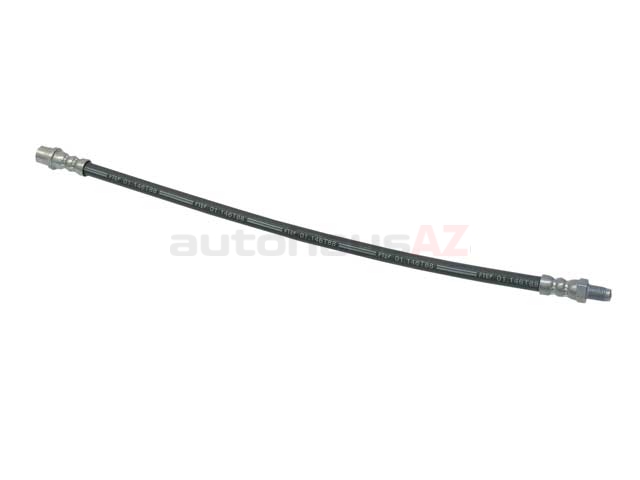
Mercedes CLK550 brake hose typically cost between $8.59 and $12.99.
What Are The Common Signs Of A Failing Mercedes CLK550 Brake Hose?
You might notice your Mercedes CLK550 takes longer to stop or the brake pedal feels soft. Owners often spot a puddle or drip of brake fluid under the car, sometimes right by the wheel. A spongy pedal or the car pulling to one side during a stop also hints there's trouble. The brake warning light on the dash might pop on if the hose gives out or restricts flow. Cracks, bulges, or worn patches on the hose are a big red flag you can often see if you look closely. These signs show up as the hose ages or after rough winters and bumpy roads.
How Long Do Mercedes CLK550 Brake Hoses Typically Last?
Most Mercedes CLK550 brake hoses last six to ten years. This depends on weather, how you drive, and if you keep the car clean underneath. Stop-and-go city driving or salted roads in winter shorten their lifespan. Mechanics usually check hoses when they do a brake job or flush the fluid. Cracks, leaks, or swelling mean the hose needs to be replaced, even if it's not that old. Some drivers make it a habit to check hoses every time the tires come off or before a long trip.
What Is The Recommended Replacement Procedure For Mercedes CLK550 Brake Hose?
First, park on level ground and secure the car up on jack stands. Take the wheel off to reach the hose. Use line wrenches to loosen the fittings and have a pan ready for the fluid that escapes. Pop off any clips or brackets holding the hose. Put the new hose on, making sure all connections are clean and tight—don’t overtighten. Bleed the brakes well to push out air. After, check every joint for leaks. Test the pedal with the engine off and then on before hitting the road. If you’re not sure how to do any of this, get a professional to handle it.
Are Aftermarket Mercedes CLK550 Brake Hoses Reliable?
There are quite a few solid aftermarket Mercedes CLK550 brake hoses out there. Trusted brands meet or beat the quality of the originals, especially if you stick to big names. Some people choose braided stainless steel hoses for a firmer feel, while others stick with rubber for everyday use. If the price seems too good to be true, it often is. Hose fit is key—double-check your model details before ordering, since even a small difference in length or fitting can cause trouble.
How Much Does It Cost To Replace A Mercedes CLK550 Brake Hose?
At a shop, plan on spending $150 to $350 per axle for a Mercedes CLK550 brake hose replacement. That covers labor and the cost of the hose, which ranges from $25 to $60 apiece if you go the do-it-yourself route. You’ll need extra brake fluid and probably a bleeding kit, but even with those, DIY costs stay lower than the shop. For a job this important, buying good parts and getting the work done right is worth every penny.
Why Choose AutohausAZ For Your Mercedes CLK550 Brake Hose?
AutohausAZ keeps it simple when you need a Mercedes CLK550 brake hose. Their prices stay fair, and orders ship out fast, so you aren’t stuck waiting for parts. The website is quick to search and easy to order from. Customer support answers questions fast and fixes problems without a hassle. Returns go smoothly if you need to swap a part. Trusted brands fill their shelves, and you won’t break your budget keeping your car safe. AutohausAZ knows how much you depend on your Mercedes, and they work to make sure you get back on the road in no time, without stress. Give them a try—you might find car repairs aren’t as painful as you thought.