
Mercedes E300 EGR Valve Parts
Showing 2 out of 2 part(s) found in our catalog.
Brand
Keyword
Subcategory
Mon-Fri 8-4 MST/PST (Arizona Time)

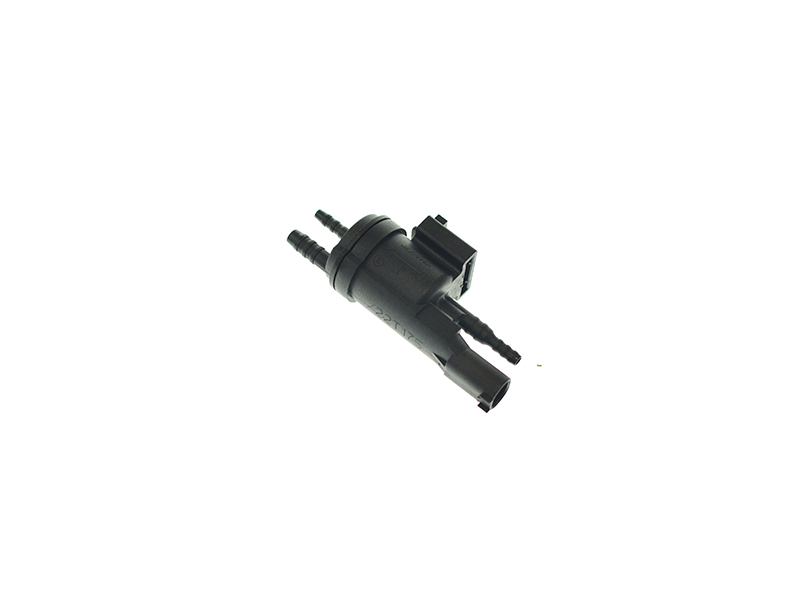


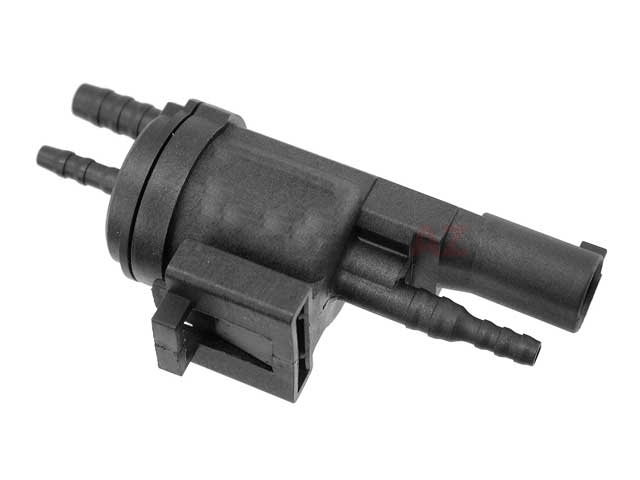
Mercedes E300 egr valve typically cost between $34.99 and $38.99.
What Are The Symptoms Of A Failing Mercedes E300 EGR Valve?
A struggling Mercedes E300 EGR valve doesn’t keep quiet for long. You might spot a rough idle—sometimes it feels like the car’s heartbeat skips a beat at stoplights. Acceleration can get sluggish, almost like the engine doesn’t want to pick up its feet. More trips to the gas pump can sneak up when the valve isn’t working right. Sometimes there’s a tapping or knocking sound under the hood, making you wonder what changed overnight. Tailpipes can puff out black smoke, turning what should be clean exhaust into something darker. That check engine light in the dash will probably show up sooner rather than later. If these symptoms stick around, things could head downhill fast, possibly leading to bigger engine trouble. Noticing these changes early, before small problems get out of hand, saves headaches later.
How Do You Clean A Mercedes E300 EGR Valve?
First things first, disconnect the battery for safety. Pop the hood and find the Mercedes E300 EGR valve—it’s usually near the intake manifold. Remove any bolts and set aside the gasket—it needs to go back just the way you found it. Next, grab an EGR or carburetor cleaner and a brush. Work slowly and scrub away the thick carbon gunk, but keep it gentle so you don’t scratch any surfaces. Wipe things down, then let them dry out. Once it’s clean, put everything back together, making sure the gasket fits tight. With the battery hooked up, turn the key and listen for a smooth idle. Double-check for leaks. Regular cleaning keeps the system breathing easy and can help avoid bigger repairs.
How Do I Know If The Mercedes E300 EGR Valve Needs Replacement Or Just Cleaning?
If you scrub the Mercedes E300 EGR valve and nothing changes—engine still feels rough, warning light stays bright, or the same codes pop up—cleaning may not cut it. Pop the valve open and check inside. If you see parts warped out of shape, cracks in the body, or carbon so stubborn it won’t budge, time to replace it. Try working the valve by hand or with a scanner. If it won’t move or doesn’t respond at all, that’s another sign to swap it out. Replacing the valve fixes deeper issues that cleaning alone can’t touch, saving other engine parts from damage.
What Trouble Codes Indicate Mercedes E300 EGR Valve Issues?
Plug in a code scanner—if you spot P0400, P0401, or P0402, the Mercedes E300 EGR valve probably isn’t happy. Each code points to a different hiccup: P0400 means flow is out of whack, P0401 says not enough gas is passing through, and P0402 means too much is getting by. These codes can show up from clogs, vacuum leaks, or electrical glitches as well. Sometimes wiring or bad connectors send the wrong signals, so don’t rule those out. The smart move is to check valve, pipes, and wires before buying new parts.
How Much Does It Cost To Replace A Mercedes E300 EGR Valve?
Replacing a Mercedes E300 EGR valve usually sets you back between $375 and $700, including both the part and the labor. Genuine parts cost more, but some drivers want that original fit. Labor can take up a chunk of the bill because the job’s not always simple, and tight spots under the hood can eat up time. Compare shop quotes and look over warranties on the part and work. Preventive maintenance can stretch the valve’s life and help steer clear of extra expenses down the road.
Why Buy Your Mercedes E300 EGR Valve From AutohausAZ?
When you’re shopping for a Mercedes E300 EGR valve, we keep it simple at AutohausAZ. No hunting for coupons, no waiting forever for your order. You’ll always find steady discounts on real-deal parts, and our quick shipping means you get back on the road faster—no long downtime stuck in the garage. Need help or have a question? Our folks actually answer the phone and know their stuff. Returns stay drama-free if you order the wrong part. In the end, you get a fair price, reliable parts, and support that sticks with you from order to install. That’s how we keep our customers—and their cars—running right.