

Mercedes E320 Brake Master Cylinder Parts
Showing 6 out of 6 part(s) found in our catalog.
Brand
Keyword
Subcategory
Mon-Fri 8-4 MST/PST (Arizona Time)

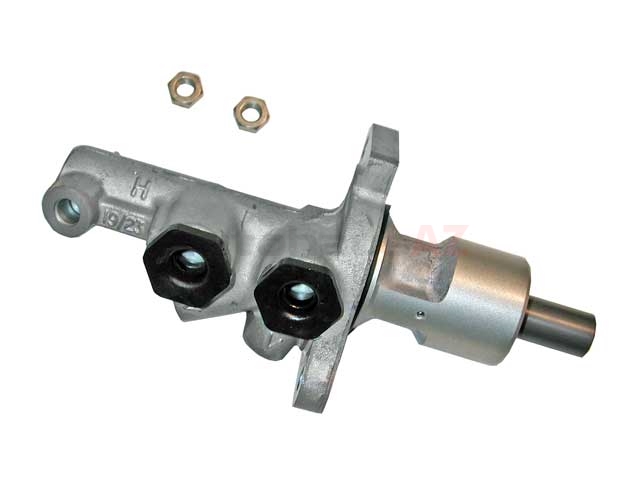



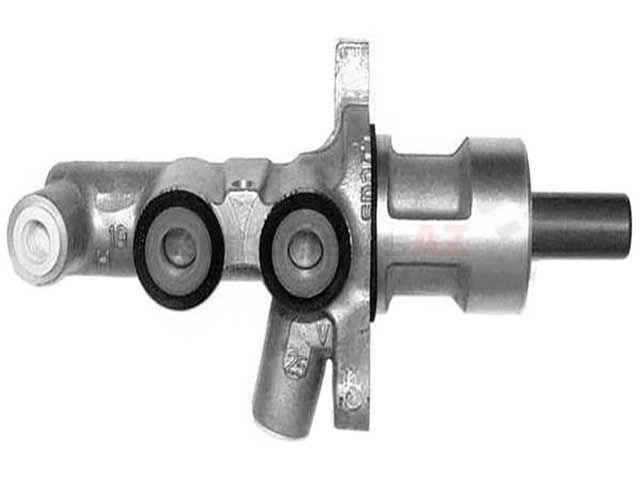
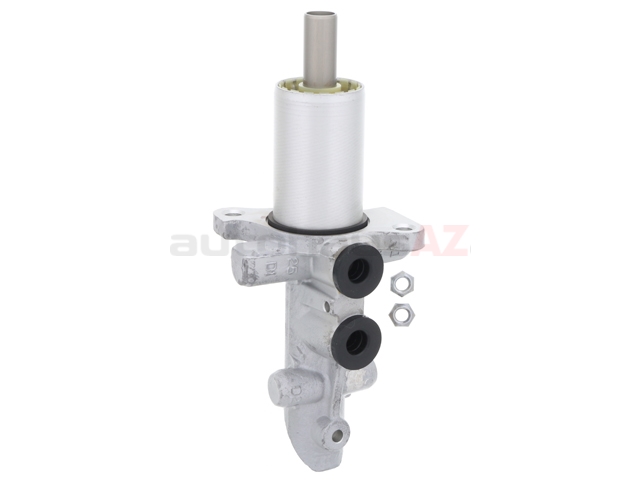

The average cost of a Mercedes E320 brake master cylinder is between $62.99 and $207.99.
How Can I Tell If My Mercedes E320 Brake Master Cylinder Is Failing?
You’ll usually notice a few warning signs before the Mercedes E320 brake master cylinder gives out completely. If the brake pedal feels soft or spongy, sinks to the floor while you’re stopped, or if you have to pump it to get the brakes to work, these can all point to master cylinder trouble. Sometimes, the brake warning light might pop up on your dashboard. In some cases, you may spot brake fluid leaking where the cylinder meets the brake booster. If any of these problems start showing up, it’s a good idea to check your brake master cylinder and the rest of your brake system right away to keep things safe on the road.
What Causes The Brake Master Cylinder To Fail On A Mercedes E320?
Most of the time, the Mercedes E320 brake master cylinder fails due to worn-out internal seals that allow brake fluid to sneak past, making it hard to build up the hydraulic pressure you need. Over the years, moisture can get into the system and cause corrosion inside the cylinder. Driving with dirty or old brake fluid speeds up this process, as grime and sediment can wear down the cylinder’s surface. Heavy braking and skipping brake fluid changes can also shorten the life of your brake master cylinder. Staying on top of brake maintenance is the best way to make sure this part lasts as long as possible.
How Difficult Is It To Replace The Brake Master Cylinder On A Mercedes E320?
If you’re comfortable with a wrench and basic auto repairs, swapping out the Mercedes E320 brake master cylinder is a doable DIY project. You’ll need some time and patience, plus a few common tools and a repair manual. The job usually involves disconnecting the brake lines and wiring, removing the old master cylinder, and installing a new one. Don’t forget—you’ll need to bleed the brake system after, or you’ll end up with air in the lines. Working in the engine bay can get a little tight, so take your time. If this isn’t your kind of job, a professional can handle it for you and make sure everything is buttoned up properly.
Do I Need To Bleed The Brakes After Replacing The Brake Master Cylinder?
Yes, you absolutely need to bleed the brakes after changing the Mercedes E320 brake master cylinder. Swapping the master cylinder will introduce air into the brake lines, and even the smallest bubble can mean soft brakes or poor stopping power. The right way to do it is to bleed all four wheels, starting farthest from the master cylinder. Always use fresh brake fluid while you’re at it to keep things clean and running smoothly. A nice, firm brake pedal usually means you got all the air out—don’t skip this step, since your safety depends on it.
What Type Of Brake Fluid Should I Use In My Mercedes E320 After Master Cylinder Replacement?
Your Mercedes E320 brake master cylinder is designed for DOT 4 brake fluid, which can handle the heat and protects the system from corrosion. Always double-check your owner’s manual or under your hood for your model’s exact recommendation, especially if your E320 is an older version. Never mix different types of brake fluid—sticking with high-quality DOT 4 is best for performance and for protecting the seals and internal parts of your brake system. Using the right fluid helps keep your brakes responsive and reliable.
Looking For A Mercedes E320 Brake Master Cylinder?
Need a new brake master cylinder for your E320? At AutohausAZ, we make it easy—and affordable—to get the parts you need. You’ll find everyday low prices and fast shipping, so you won’t be left waiting around to get back on the road. Order the wrong part by mistake? No worries, our returns are quick and straightforward. We’re here to help keep your Mercedes stopping safely and running smoothly.