

Mercedes E320 Oil Cooler Parts
Showing 5 out of 5 part(s) found in our catalog.
Brand
Keyword
Subcategory
Mon-Fri 8-4 MST/PST (Arizona Time)

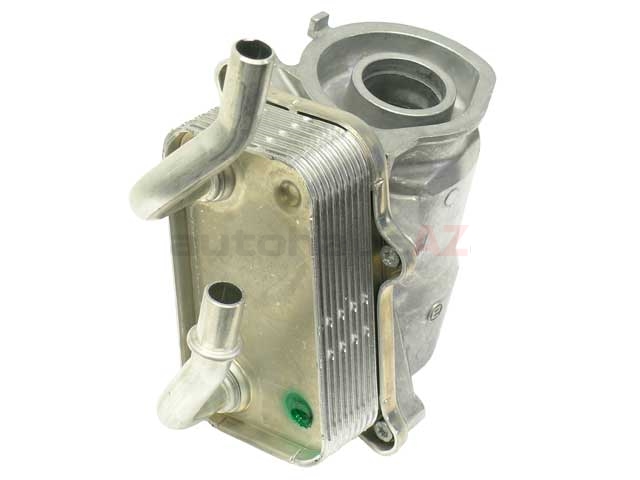



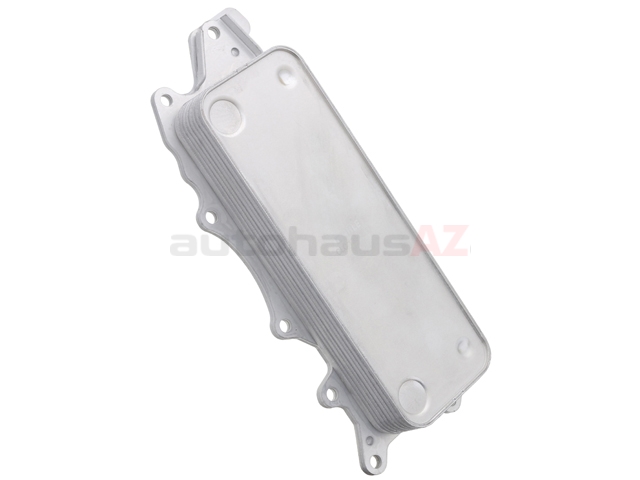

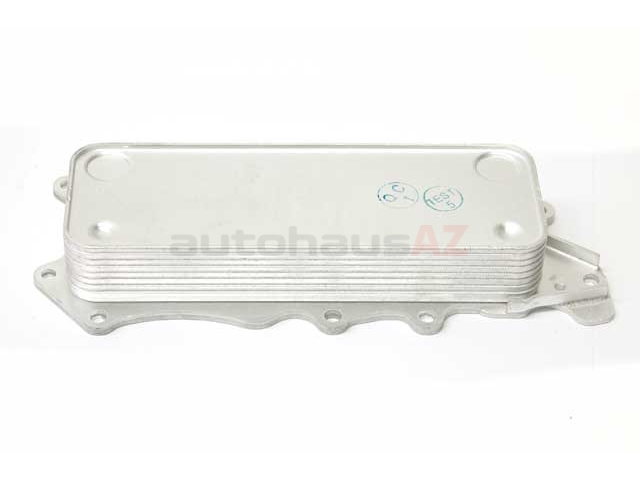
Mercedes E320 oil cooler typically cost between $53.99 and $273.99.
What Are Common Signs Of A Bad Mercedes E320 Oil Cooler?
A failing Mercedes E320 oil cooler doesn’t keep quiet. You may spot fresh puddles of oil under your car after parking, sometimes close to the front where the cooler sits. Pop the hood, and you might catch a glimpse of yellowish sludge on the inside of the oil cap, or even in the coolant tank—a sure hint that oil and coolant are mixing. Many drivers notice the temperature gauge creeping higher than usual, or worse, a red warning light confirming the engine is running too hot. Oil pressure may drop low enough to set off a dash light, or you might just see the oil level on the dipstick falling sooner than it should. Any of these should get your attention fast. Addressing problems early may save the engine from a major meltdown later.
How Hard Is It To Replace A Mercedes E320 Oil Cooler?
Repairing or swapping out the Mercedes E320 oil cooler isn’t for the faint of heart, but it isn’t out of reach if you’re comfortable with socket sets and stubborn bolts. The work starts with draining fluids, unbolting covers, and working in some tight quarters under the hood. Often, the intake manifold and related hoses stand between you and the cooler itself. Patience comes in handy, and so does a good set of tools. Some owners tackle the job at home over a long Saturday, while others turn it over to a shop. Most important—don’t rush. A warped gasket or missed bolt can leave you dealing with new leaks once everything’s reassembled. Recheck seals, double-check connections, and refill with fresh fluids before firing up the engine.
What Causes Mercedes E320 Oil Cooler Failure?
A Mercedes E320 oil cooler isn’t invincible. Years of hot and cold cycles wear on metal and plastic parts. Road debris or leftover grime in the system can plug cooling fins or hoses. If the rubber seals dry or the metal corrodes, leaks may begin. Plastic end caps can crack under stress. Even city driving with lots of stop-and-go heat soaks the cooler. Salt from winter roads likes to speed up rust. Sometimes, poor coolant or old oil breaks down the inner surfaces from within. Keeping up with fluid changes and taking a look during routine maintenance is your best defense.
How Often Should The Mercedes E320 Oil Cooler Be Replaced?
Most Mercedes E320 oil coolers don’t follow any set replacement schedule. Some last the lifetime of the vehicle. It often takes a visible leak, a failing seal, or a major clog to force a change. If you drive in harsh climates or regularly face stop-and-go traffic, it’s smart to inspect the cooler along with hoses and clamps each time you flush the coolant or notice drops on your driveway. Outside of visible trouble or damage, regular fluid service and inspection usually keep the cooler working for years.
Can I Drive With A Leaking Mercedes E320 Oil Cooler?
It’s tempting to ignore a slow leak from the Mercedes E320 oil cooler and just top off the oil, but trouble builds quickly. Even a little mix between oil and coolant can spell disaster—bearings wear, cylinders score, or you wind up with a warped head from overheating. Think of it as a ticking clock. The small leak today may become a big problem tomorrow, and it’s almost always more expensive to fix what happens next. If you notice a leak, the best move is to park the car and sort out repairs fast.
How Can You Save On A Mercedes E320 Oil Cooler?
At AutohausAZ, finding a good Mercedes E320 oil cooler is simple and doesn’t need to cost a fortune. We offer a solid range of reliable, well-priced parts, ready to ship quick. If something’s not quite right, returns are hassle-free. You’ll be able to fix your Mercedes and get back on the road without extra stress—or spending more than you need to.