

Mercedes E430 Brake Master Cylinder Parts
Showing 1 out of 1 part(s) found in our catalog.
Brand
Keyword
Subcategory
Mon-Fri 8-4 MST/PST (Arizona Time)

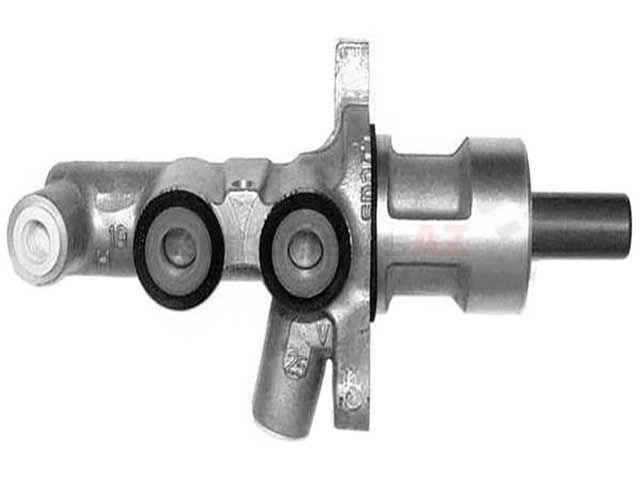


Based on industry averages you can expect to pay between $113.99 and $113.99 for a Mercedes E430 brake master cylinder.
What Are Common Symptoms Of A Failing Mercedes E430 Brake Master Cylinder?
If your Mercedes E430 brake master cylinder starts to go bad, there are some obvious signs to watch for. You might notice your brake pedal feels unusually soft or spongy, or the car might take longer to come to a complete stop. In some cases, the brake pedal sinks slowly toward the floor as you hold pressure. Keep an eye out for any brake fluid leaks near the cylinder or puddles collecting underneath your car. The brake warning light may also pop up on your dashboard. When any of these issues appear together, it’s a good idea to check the master cylinder, since it could be losing proper hydraulic pressure and putting your braking system at risk.
How Do You Replace A Mercedes E430 Brake Master Cylinder?
To replace the Mercedes E430 brake master cylinder, start by disconnecting the battery for safety and clearing away any parts that block your access. Carefully remove the brake lines with a line wrench and unbolt the cylinder from its spot on the brake booster. Be sure to protect painted areas, since spilled brake fluid can cause damage. Before installing the new cylinder, bench bleed it to get rid of any trapped air. After it’s in place, hook up the brake lines, add new fluid, and bleed the brakes at each wheel to ensure your system is completely air-free. Once you feel a firm pedal, you’re good to go.
Why Does The Brake Pedal Feel Soft After Replacing The Master Cylinder?
If your brake pedal feels soft or spongy after you’ve swapped out the Mercedes E430 brake master cylinder, it usually means there’s still air in the brake lines or the cylinder itself. This is why thorough bleeding is important—not just during installation, but sometimes afterward too. If the pedal still doesn’t feel right, double-check that the master cylinder was fully bench bled first, and inspect all fittings for leaks. Often, working your way through another round of bleeding the whole system will firm up the pedal.
What Causes The Mercedes E430 Brake Master Cylinder To Fail?
A Mercedes E430 brake master cylinder most often fails due to simple wear and tear. Over time, its internal rubber seals can break down, especially if old or contaminated brake fluid has been sitting in the system. Brake fluid naturally attracts moisture, which can speed up corrosion inside the cylinder and cause the seals to wear out faster. Skipping regular fluid changes or having other brake repairs done poorly can also shorten the life of the master cylinder. That’s why regular maintenance is the best way to keep it working well.
Can You Drive With A Leaking Mercedes E430 Brake Master Cylinder?
It’s really not safe to drive if your Mercedes E430 brake master cylinder is leaking. Missing brake fluid means less pressure in the system, which translates to a longer stopping distance—or even a total loss of braking, which can be dangerous. Sometimes you’ll see wet spots near the cylinder or underneath your car, or notice the brake fluid level dropping in the reservoir. If you spot any of these signs, it’s best to have the car towed to a repair shop for replacement rather than risking it on the road.
Looking For The Best Value On A Mercedes E430 Brake Master Cylinder?
At AutohausAZ, we know how important it is to get dependable parts without breaking the bank. When you order your Mercedes E430 brake master cylinder from us, you’ll enjoy great prices, quick shipping, and an easy returns process if anything isn’t quite right. Our goal is to help you fix your car hassle-free so you can get back on the road as soon as possible.