

Mercedes GLA250 AC Hose Parts
Showing 1 out of 1 part(s) found in our catalog.
Brand
Keyword
Category
Select category below to view parts.
Mon-Fri 8-4 MST/PST (Arizona Time)

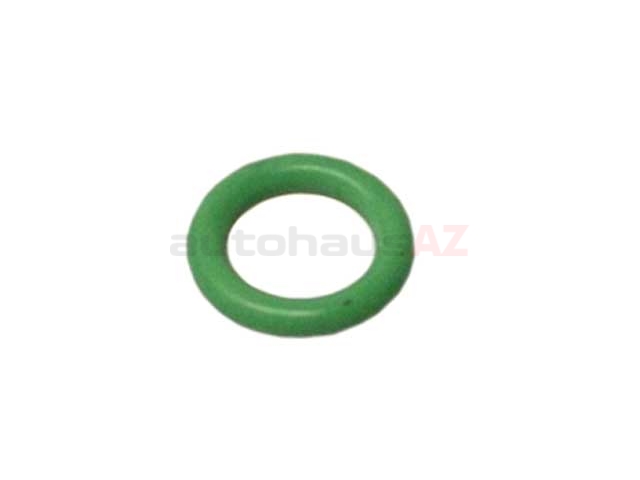


The average price of a Mercedes GLA250 ac hose is between $1.09 and $1.09.
What Causes A Mercedes GLA250 AC Hose To Leak?
Leaks in a Mercedes GLA250 AC hose tend to show up from normal use as the miles add up. Heat and vibration under the hood can make the rubber dry out or split. Sometimes, a stray rock or chunk of debris hits and damages the hose, especially if a shield or cover is missing underneath the car. Putting the wrong refrigerant or oil into the system can hurt the rubber and gaskets, too. Moisture in the system may lead to rust or corrosion where metal meets rubber at the ends, causing tiny cracks or pinhole leaks. You might notice less cold air or hear a faint hiss when the AC is on, and you may even spot oily wet spots on or under the car. When that happens, it pays to have a technician take a good look so you know what’s going on before it gets worse.
How Do You Diagnose A Faulty Mercedes GLA250 AC Hose?
Checking a Mercedes GLA250 AC hose starts with getting close and looking for things like splits, wet marks, or bruises along the line. Sometimes you’ll see oily grime right where a leak is forming. If a quick look doesn’t tell the story, shops often put a UV dye in the AC and run it for a while. With a black light, any leak glows bright and stands out. Mechanics also listen for odd noises when the AC turns on—hissing or bubbling can point straight to the leak. Sometimes they’ll test the pressure to see if it’s dropping over time. That helps nail down if the hose really is to blame or if it’s something else like a valve or seal.
Can You Replace A Mercedes GLA250 AC Hose Yourself?
You can try to swap a Mercedes GLA250 AC hose at home, though it isn’t simple work. The AC holds pressurized refrigerant, so you must have it carefully removed. That keeps fingers safe and protects the environment. The fittings sometimes need special tools to undo and seal up tight again. If you replace the hose, you still need to vacuum out air and charge the system with new refrigerant—right type, right amount, no shortcuts. Some DIYers do it, but most people call a shop. That way, you know it’s tight, safe, and cool again when you hit the switch.
How Much Does It Cost To Replace A Mercedes GLA250 AC Hose?
Changing out a Mercedes GLA250 AC hose might cost you anywhere from $350 to $650 at most shops. That number depends on the cost of parts, how tricky the hose is to reach, and what your local mechanic charges per hour. Factory hoses from Mercedes tend to cost more, while some aftermarket options might save a few bucks. Costs can go up if bad hoses messed up something else along the way—a tired o-ring, a sticky compressor, even a broken mount. Get a good look at the invoice to know what you’re paying for.
What Are Signs That The Mercedes GLA250 AC Hose Needs Immediate Attention?
Sometimes, it’s obvious. The AC blows warm air—even when you crank it—while the fan runs fine. Maybe you hear a sharp hiss or small “psst” under the hood right when the compressor kicks in, or you catch a whiff of a strange chemical smell. If you peek under and see greasy spots near the hose connections, that’s almost always a sign. When you catch these symptoms, you’ll want to get your car checked fast. Letting it slide not only keeps you uncomfortable, but might wreck the compressor or dry out more parts, piling up the bill down the line.
Why Choose Us For Your Mercedes GLA250 AC Hose?
When you come to us at AutohausAZ for your Mercedes GLA250 AC hose, you get more than just a part. You get honest prices that help you stay on budget and customer support you can actually reach. We stock the brands people trust and ship out quickly, so you’re not left waiting around for your car to get back on the road. If you need help picking the right hose or run into any trouble with your order, our team is eager to help, not just leave you hanging. Returns are quick and straight to the point. You’re in the driver’s seat every step of the way—no stress, no guesswork. We do things this way because we’d expect the same if we were fixing our own cars.