

Mercedes S430 Control Arm Bushing Parts
Showing 4 out of 4 part(s) found in our catalog.
Brand
Keyword
Subcategory
Mon-Fri 8-4 MST/PST (Arizona Time)

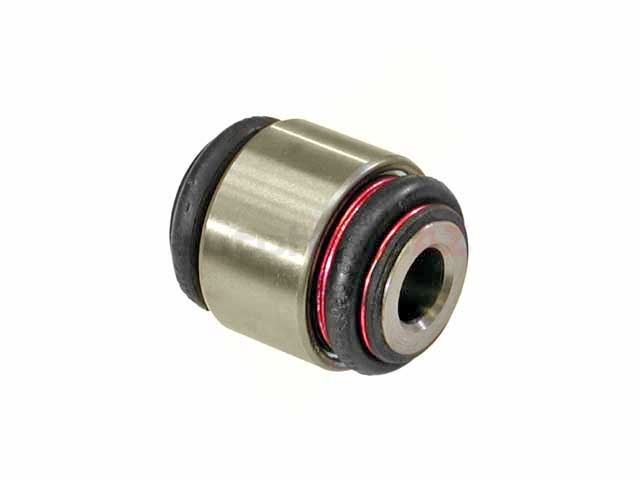


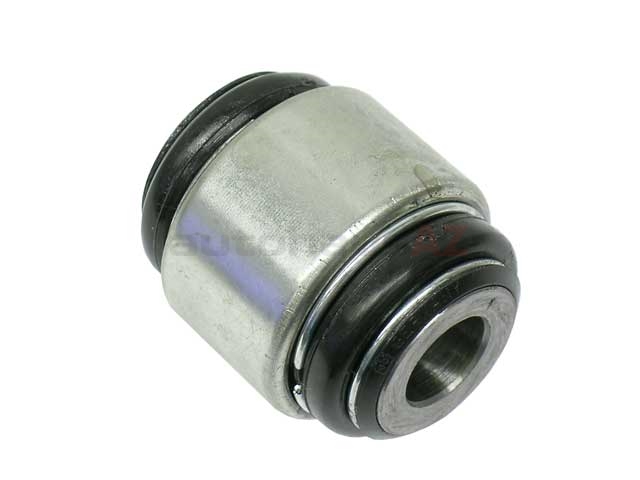

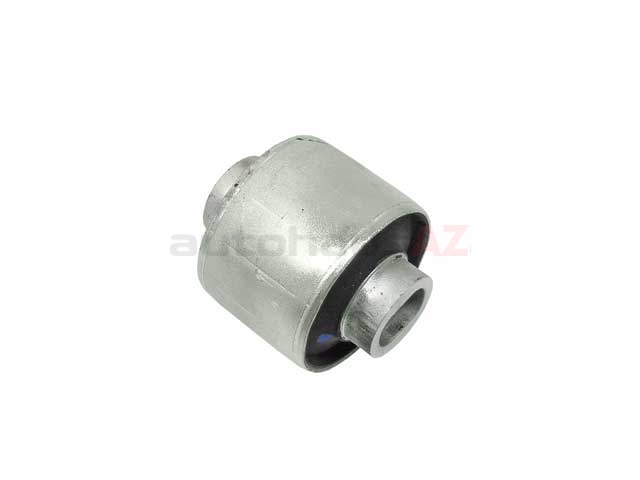
The average price of a Mercedes S430 control arm bushing is between $12.79 and $31.99.
What Are The Main Symptoms Of A Worn Mercedes S430 Control Arm Bushing?
When the Mercedes S430 control arm bushing starts to go, it rarely fails in silence. You might hear a dull clunk or a soft rattle when hitting potholes or driving over rough patches. Some owners say the steering wheel feels “off-center” or loose, while others notice the car doesn't track straight and tends to drift. You could catch yourself fighting the steering more than usual on the highway. Tire wear changes too—uneven tread patterns pop up, and you might spot scalloped edges. Vibration sneaks in, traveling up through the wheel or the floorboard, signaling it’s time for a checkup. Letting it slide invites more headaches later: ball joints, tie rods, and other parts will all feel the strain.
How Difficult Is It To Replace The Mercedes S430 Control Arm Bushing?
Tackling a Mercedes S430 control arm bushing replacement isn’t the quickest DIY project on the block. You need good tools, some determination, and a healthy dose of patience. Expect to fight rust and stubborn bolts, especially if your car has a few winters behind it. The job usually involves jacking up the car, unbolting the control arm, and pressing out the old bushing—sometimes with a hefty C-clamp or a shop press. Amateur mechanics sometimes run into trouble when lining up the new bushing or reinstalling the control arm. If you don’t have the right setup, the job can stall. Many decide it’s worth paying a pro, or they opt for a premade control arm to save hassle and time.
How Long Do Mercedes S430 Control Arm Bushings Usually Last?
A fresh set of Mercedes S430 control arm bushings doesn’t wear out overnight. Most glide past 70,000 miles, sometimes holding strong up to the 100,000-mile mark. That said, rough roads, aggressive cornering, and constant exposure to salt and heat tend to shorten that lifespan. In city traffic, with plenty of stop-and-go and bumpy streets, the bushings might start squeaking or letting extra movement in as early as 60,000 miles. Routine suspensions checks catch cracks or squishiness before things get worse. Replace bushings as soon as noise or extra looseness sets in to keep your ride sharp and controlled.
Is It Better To Replace Just The Bushing Or The Whole Control Arm On A Mercedes S430?
Car owners have weighed this question for years. Swapping only the control arm bushing saves cash, but it can be a pain to press in new rubber, especially if the original pieces put up a fight. If your arm is solid, shows no bends or rust, and you trust the new bushings, this route makes sense for the hands-on crowd. Mechanics lean toward full-arm swap, especially on high-mileage cars or when the metal starts to rust out—it's faster, cleaner, and carries fewer headaches down the road. A quality part trumps a tired arm any day.
What Are The Common Causes Of Mercedes S430 Control Arm Bushing Failure?
Time catches up with all parts, and Mercedes S430 control arm bushings are no exception. Heat makes rubber brittle; age dries it out; and road chemicals grind away flexibility. Frequent curb hits or potholes speed the breakdown. Where winters are rough and salt coats the roads, bushings crack sooner. Aggressive steering and heavy loads hammer the material until it deforms and gaps appear. Skip suspension checks, and you won’t notice the wear until the knock and slop shows up in your daily drive.
How Can You Save On Mercedes S430 Control Arm Bushing Replacement?
Pick the right shop, or try a trusted auto parts site like AutohausAZ if you plan to DIY. You’ll find discounts up front, so there’s no need to haggle for a reasonable price. Fast shipping means your car isn’t out of action for days on end, and easy returns help if the part’s wrong or you change your mind. A little effort upfront—shopping around, comparing reviews—can trim quite a bit off your final repair bill.