

Mercedes Sprinter Battery Cable Parts
Showing 2 out of 2 part(s) found in our catalog.
Brand
Keyword
Subcategory
Mon-Fri 8-4 MST/PST (Arizona Time)

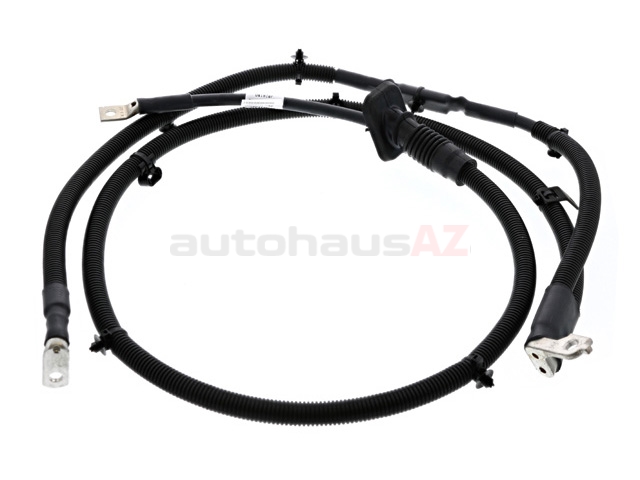


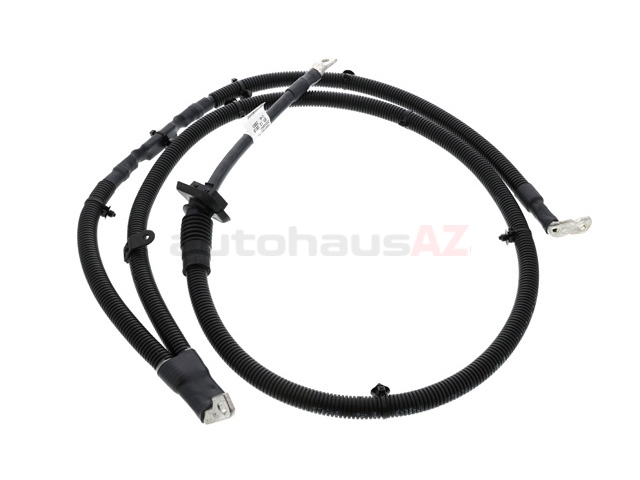
The average price of a Mercedes Sprinter battery cables is between $116.99 and $194.44.
What Are The Signs Of Failing Mercedes Sprinter Battery Cables?
Sprinters with bad Mercedes Sprinter battery cables show odd problems. Maybe the engine cranks slow one morning, then acts fine the next. Other days, the dash lights flicker or random electrical gremlins pop up—power windows hesitate, radio resets, headlights dip. You might see greenish corrosion built up on the cable ends or the cables look cracked and stiff. Sometimes the van just won’t start at all, until you move or twist a cable and, suddenly, everything works. That’s a real signal the connection is nearly gone. Don't put off checking cables when these issues surface; waiting can mean being stuck at the worst time, or frying sensitive electronics. Make cable checks part of a routine look-over, especially if the Sprinter covers lots of miles or sees harsh weather.
How Do You Properly Replace Mercedes Sprinter Battery Cables?
If Mercedes Sprinter battery cables call it quits, swap them out step by step. Begin by disconnecting the negative terminal, then the positive. Picture or mark the way cables run so you replace them in the right spots. Pick the tools that fit each nut snug, and don’t short both posts with a wrench. Once you pull the old cables off, stack them beside the new set to double-check what you got. Clean the battery posts with a wire brush. Hook up the positive cable first, then the negative. Squeeze the connections tight—not gorilla tight, but firm—then make sure nothing wiggles. Turn the key and see if the Sprinter wakes up normal, dash lights sharp, engine firing right away.
What Gauge Are The Factory Mercedes Sprinter Battery Cables?
People often ask: what size are original Mercedes Sprinter battery cables? Most come with two or four gauge cables, with two gauge for the bigger diesel engines. Some early year models stick with four gauge. It’s best to measure the existing cable or check the van’s manual before ordering because the right gauge stops voltage loss and keeps everything safe. Choosing the wrong size cable—using thin, off-brand stuff—can bring hot wires and trouble. Thick cables look bulky but are safer for heavy starting loads. Make sure replacement cables match what came from the factory.
Why Do Mercedes Sprinter Battery Cables Corrode So Quickly?
Drivers sometimes find the Mercedes Sprinter battery cables gunked up faster than expected. The reason is almost always a mix of battery acid fumes and damp air, with road salt making it worse in winter. If cable ends are loose, or if worn insulation lets moisture in, corrosion speeds up. Stop-and-go trips don’t let the battery stay charged, which also boosts corrosion risk. Good habits to prevent this—dab a little dielectric grease on connections, keep terminals tight, and clean cables during oil changes. When they stay clean, electrical flow stays strong.
How Much Does It Cost To Replace Mercedes Sprinter Battery Cables?
Swapping Mercedes Sprinter battery cables is no luxury expense, but it can vary. Cheap aftermarket cables might cost only $50, but dealer-supplied parts for diesel rigs can clear $200 or more. Shop labor usually adds $100 to $250, depending on how much hassle it is to access the battery tray and cable routing. Most folks will spend $150 to $400 for parts and labor combined. Handy owners who tackle the job at home only pay for parts and a bit of time but need to stay careful with polarity and cable placement. Whichever route, check the length, ends, and fit before you buy—return trips aren’t fun.
Why Buy Mercedes Sprinter Battery Cables From AutohausAZ?
If your Sprinter needs cables, getting them from AutohausAZ means you can skip the dealership markup and wait time. Browse, compare, and order the right set without digging through a catalog at a counter. Shipping shows up quick, and if you mess up the order, returns are easy. It’s a low-stress way to keep your van’s power solid and costs controlled.