
Volvo 262 Brake Master Cylinder Parts
Showing 1 out of 1 part(s) found in our catalog.
Brand
Keyword
Subcategory
Mon-Fri 8-4 MST/PST (Arizona Time)

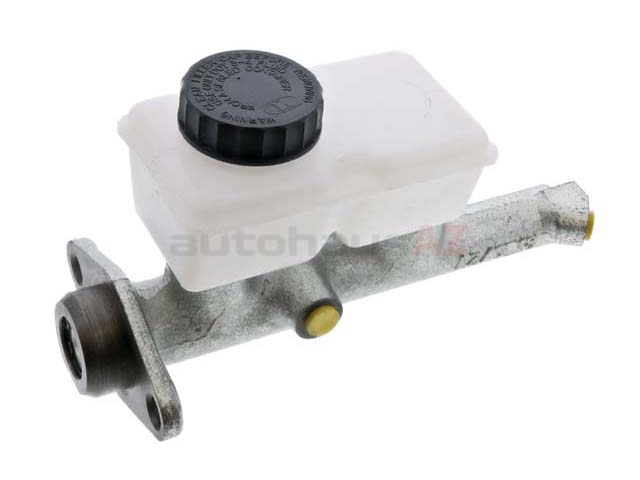


The average cost of a Volvo 262 brake master cylinder is between $55.99 and $55.99.
How Can I Tell If My Volvo 262 Brake Master Cylinder Is Failing?
If you’re wondering whether the Volvo 262 brake master cylinder in your car is giving out, there are some clear warning signs you can watch for. A soft or mushy brake pedal usually means there’s air or moisture in the lines. You might also notice the brake pedal slowly sinks toward the floor as you press down, which often points to the master cylinder leaking internally. Reduced braking response or visible fluid leaks under the hood or near the wheels are other signals something’s wrong. Taking a quick look under the hood for brake fluid around the cylinder or on the ground can help you catch problems early and keep your brakes working the way they should.
What Are The Steps To Replace A Volvo 262 Brake Master Cylinder?
To swap out a Volvo 262 brake master cylinder, start by disconnecting the car battery for safety, and carefully remove as much brake fluid from the reservoir as you can. Next, use a line wrench to loosen and detach the brake lines from the cylinder. Then, remove the bolts connecting the master cylinder to the brake booster. Before you install the new part, it’s smart to bench-bleed it—this helps clear out air before it goes into the car. Once the new master cylinder is on, reconnect the brake lines, refill the reservoir with fresh brake fluid, and bleed the brakes at each wheel to get rid of any air. This step-by-step process helps make sure your brakes will work right once you’re back on the road.
How Do I Properly Bleed The Volvo 262 Brake Master Cylinder?
Bleeding a Volvo 262 brake master cylinder is the best way to get air out of the system and keep your brakes working well. Clamp the master cylinder in a vice, fill the reservoirs with brake fluid, and run clear tubing from the ports back into the fluid to catch any escaping air bubbles. Slowly push the piston with a tool over and over until no more bubbles show up in the fluid. After reinstalling the master cylinder on the car, bleed each brake line—starting with the one furthest from the cylinder—until you get a firm pedal. It’s a simple step that can make a big difference in how your brakes feel.
What Brake Fluid Should I Use In My Volvo 262 Brake Master Cylinder?
For the Volvo 262 brake master cylinder, it’s best to stick with DOT 3 or DOT 4 brake fluid, since these types are recommended for this model’s hydraulic system. Check your owner’s manual or under the hood for specifics, because using the wrong fluid or mixing types (like DOT 5) can cause problems down the line. Using the right brake fluid keeps your system in good shape and makes sure all the seals and moving parts last longer.
Why Is My Volvo 262 Brake Master Cylinder Leaking?
A leak from your Volvo 262 brake master cylinder usually happens for a few reasons. Over time, seals wear out, especially if they’ve been exposed to old or contaminated brake fluid. Sometimes corrosion inside the cylinder itself or overtightened brake lines can create cracks that let fluid escape. If you see wet spots or fluid collecting around the master cylinder or dripping inside the engine bay, that’s a sign you’ll probably need to rebuild or replace the part soon. Keeping an eye on things and replacing your brake fluid when needed can help prevent these common issues.
Looking For A Volvo 262 Brake Master Cylinder?
When you’re ready to order a Volvo 262 brake master cylinder, AutohausAZ is a solid choice. They keep prices fair and make sure shipping is fast, so you can get your car back on the road without a long wait. If you ever need to return something, the process is straightforward and hassle-free. It’s all about keeping your car maintenance easier and more affordable.