

VW 412 Oil Cooler Parts
Showing 1 out of 1 part(s) found in our catalog.
Brand
Keyword
Subcategory
Mon-Fri 8-4 MST/PST (Arizona Time)

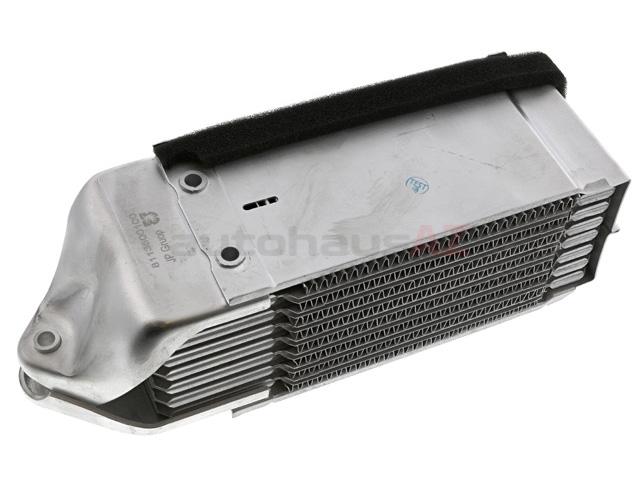


The average cost of a VW 412 oil cooler is between $98.99 and $98.99.
What Size And Type Of Oil Cooler Does The VW 412 Use?
The VW 412 oil cooler mounts right on the engine—factory units use a compact, stacked-plate design built for the air-cooled motor. Steel lines and strong fittings help keep leaks at bay. The cooler tucks along the lower side of the block, catching airflow and using that to drop temps. Most shops stay with the stock style since oil pressure and temps in the 412’s setup need that factory match. If you swap to an aftermarket cooler or try a universal one, you run into odd fit issues or lose efficiency—best bet’s grabbing the true-to-original size and style when you need a replacement.
How Can I Tell If My VW 412 Oil Cooler Is Failing?
Watch for oily spots under the car, gunky buildup around hose ends, or wet lines trailing from the VW 412 oil cooler. Sometimes you’ll see oil levels drop for no clear reason. If oil slips into the cooling system, you might spot thick, creamy stuff under the cap or catch white smoke out the tailpipe. Overheating and bouncing oil pressure also show up with a failing cooler. If there’s a sweet smell from the vents or the fins start to stain, check for trouble. Don’t let these signs go—you’ll want to fix it before it cooks the motor.
Are There Any Upgrades Or Alternatives For The VW 412 Oil Cooler?
Some drivers chase cooler oil with bigger or more advanced plate-and-fin coolers. Though the stock VW 412 oil cooler covers most needs, those in warmer spots or with tuned engines try upgrades for more peace of mind. Aftermarket kits exist, but the 412’s engine bay is tight—you have to double-check fit and make sure hoses angle cleanly. For most owners, sticking with OEM works, but those set on a swap should look for quality pieces and tighten every detail during install.
How Do I Replace A VW 412 Oil Cooler Safely?
Swapping out the VW 412 oil cooler doesn’t take special gear, just patience and a few basic tools. Disconnect the battery, drain the oil, and pull the lines—mark them so nothing gets flipped. Unbolt the old cooler, scrape any crud off the mounting spot, then set new gaskets before snugging in the fresh cooler. Hook up the hoses, fill up with oil, then run the car and look for leaks. A slow, careful hand helps avoid mistakes or seal issues down the line.
What Causes Leaks In The VW 412 Oil Cooler?
Leaks usually start with old gaskets turning stiff, pinched hoses, or rust biting into the cooler’s shell. Time and heat beat up seals and rubber, making cracking or seepage common. Even tight clamps work loose after years of vibration. If you see oil seeping near the engine, the joint’s likely due for a reseal. Fast fixes matter—the more oil lost, the more damage to chase down later.
How Can You Find The Best VW 412 Oil Cooler?
Looking for a VW 412 oil cooler shouldn’t feel like a hunt. At AutohausAZ, the right part is right there—no crazy markups or waiting weeks for shipping. Returns stay simple. Grab what you need, click it home, and get your 412 ready for the next drive.