
VW Bus Brake Master Cylinder Parts
Showing 3 out of 3 part(s) found in our catalog.
Brand
Keyword
Subcategory
Mon-Fri 8-4 MST/PST (Arizona Time)

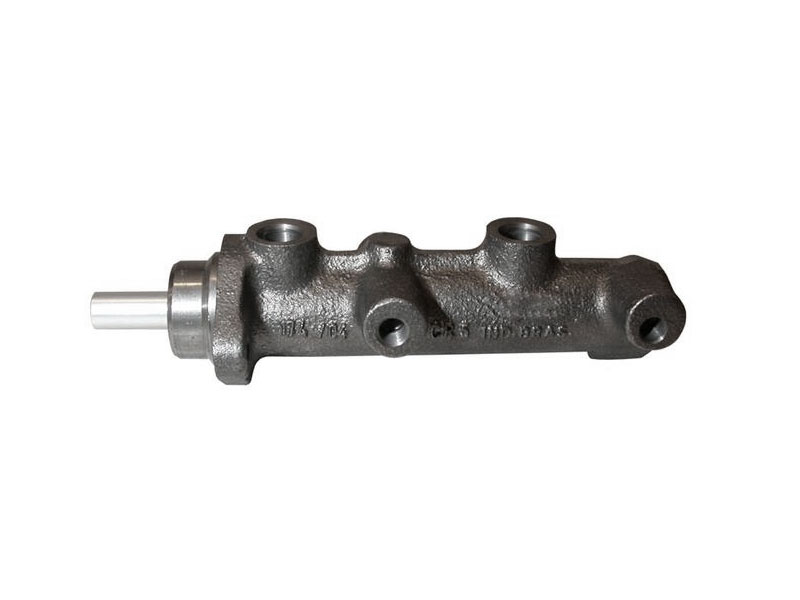


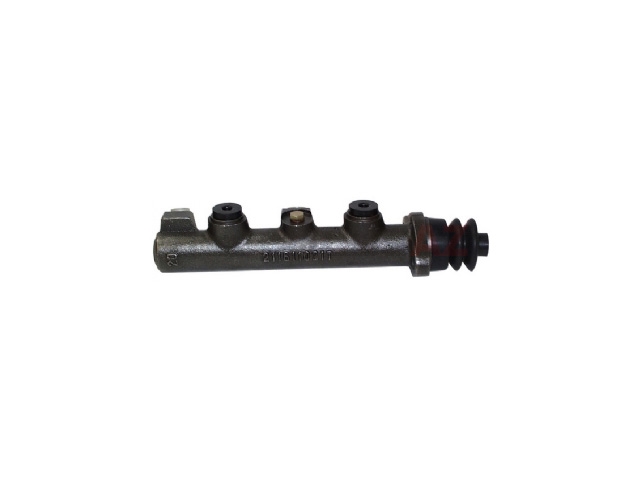
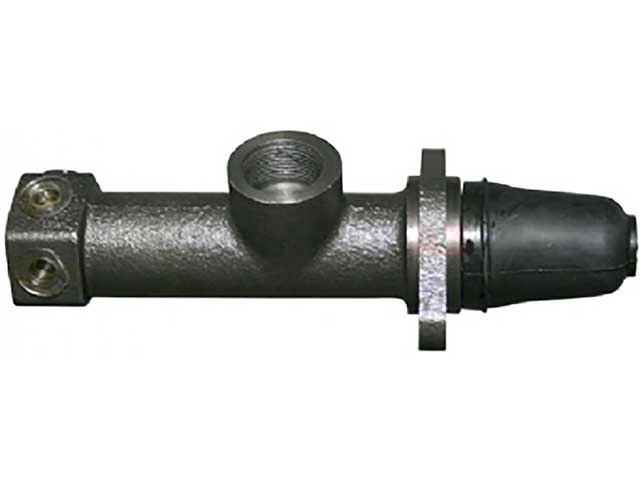
VW Bus brake master cylinder typically cost between $38.69 and $98.99.
What Are The Signs That The VW Bus Brake Master Cylinder Is Failing?
If your VW Bus brake master cylinder is starting to give out, you might notice a few clear signs: the brake pedal could feel soft, spongy, or start sinking to the floor when you apply pressure. You might also feel that your stopping distance has gotten longer, or that you have to press harder on the brakes to slow down. Look out for any brake fluid leaks around the driver’s side floor or near the firewall, as this often means something is wrong internally. Sometimes, a brake warning light will show up on your dash, or you might get inconsistent pedal pressure. If you notice any of these, it’s a good idea to check things over right away—waiting could put you and other drivers at risk.
How Do I Replace The VW Bus Brake Master Cylinder?
Start by disconnecting the battery and making sure your VW Bus is safe and supported. Remove the brake fluid reservoir and take note of where all the lines and connectors are attached. Next, carefully disconnect the hydraulic brake lines from the master cylinder, then unbolt it from the firewall or brake booster. When you’re ready to install the new master cylinder, just reverse the steps—bolt it up, reconnect the lines tight and leak-free, and reinstall the reservoir. Before you take off, remember to bleed the brakes well to remove air from the system, top up with fresh brake fluid, and check that your brakes feel solid before heading back on the road.
What Brake Fluid Should Be Used With The VW Bus Brake Master Cylinder?
You’ll want to use brake fluid that matches your VW Bus requirements, which is usually DOT 3 or DOT 4—your owner’s manual will say exactly which one is best. Avoid mixing different types, and always go with fresh fluid from a sealed bottle. Old or contaminated brake fluid can cause trouble for your master cylinder and the rest of your brake system, leading to corrosion or leaks. Sticking to the recommended fluid helps keep everything working safely and for longer.
How Can I Bleed The Brake System After Replacing The VW Bus Brake Master Cylinder?
Bleeding your brake system gets rid of trapped air, which is crucial after installing a new master cylinder. Start at the wheel that’s farthest from the master cylinder—usually the rear right—and work your way closer. Open the bleeder screw, then have someone pump the pedal until you see a steady stream of fluid without bubbles. Keep an eye on the fluid reservoir so it doesn’t run dry during the process. Using a brake bleeder kit can make things easier. Once every wheel is bled and the pedal feels firm, you’re good to go.
Why Does My VW Bus Still Have A Soft Brake Pedal After Changing The Master Cylinder?
If the brake pedal still feels soft after you’ve changed out the master cylinder, there’s a good chance there’s still air somewhere in the brake lines, or maybe a small leak at a fitting or wheel cylinder. Double-check all your connections and fittings for any sign of a leak. Also, if the master cylinder wasn’t bench-bled before installing, that could be the culprit. You may need to repeat the bleeding process or take a closer look at the pushrod adjustment behind the pedal. If you still can’t solve it, it might be time for a brake specialist to take a look.
How Can You Save On VW Bus Brake Master Cylinder?
You can keep costs down on a VW Bus brake master cylinder by shopping at AutohausAZ. They focus on fair pricing, quick shipping, and hassle-free returns. That way, you’ll get what you need without overspending or waiting around for parts to arrive. With their help, fixing your brakes can be simple and affordable.