

VW Bus Exhaust Pipe Parts
Showing 8 out of 8 part(s) found in our catalog.
Brand
Keyword
Category
Select category below to view parts.
Mon-Fri 8-4 MST/PST (Arizona Time)

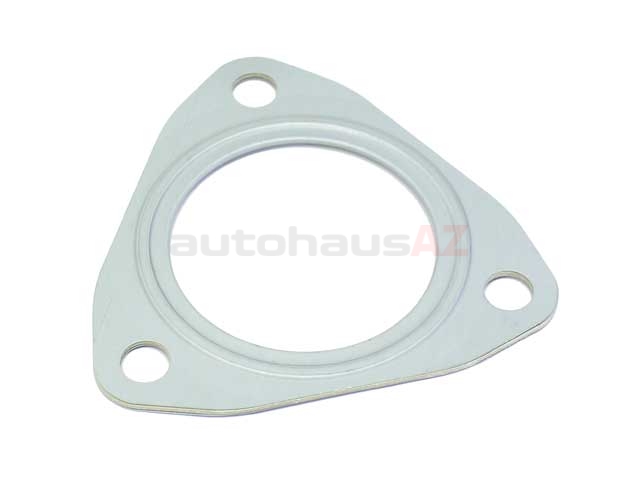


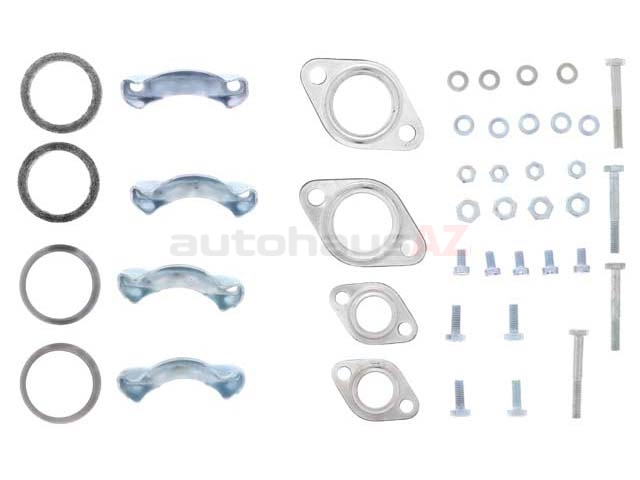
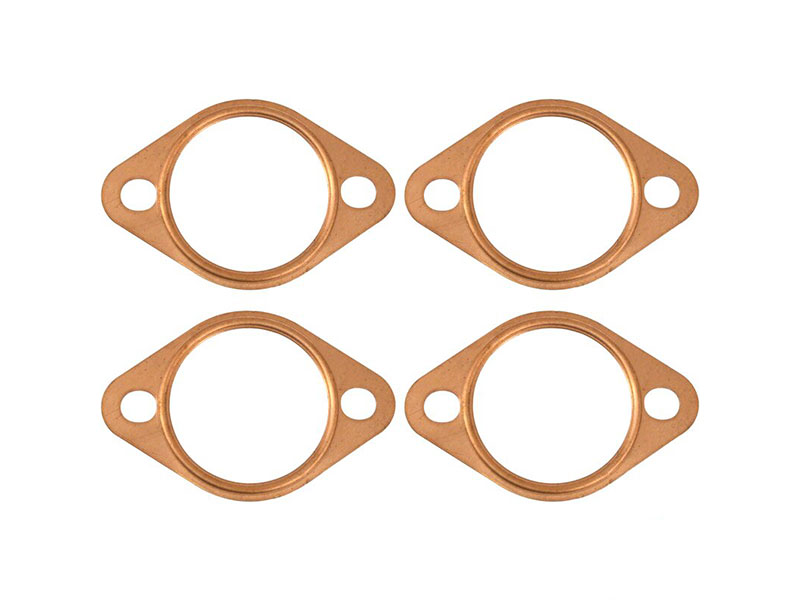
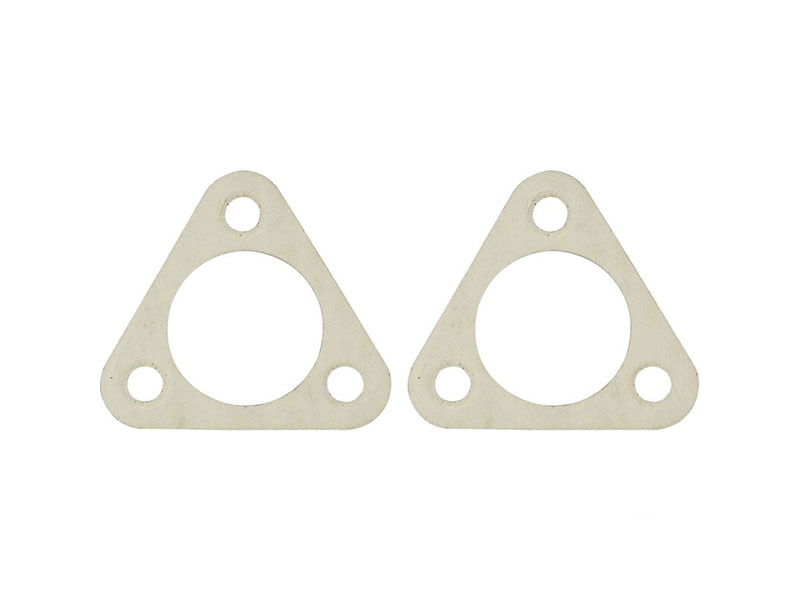
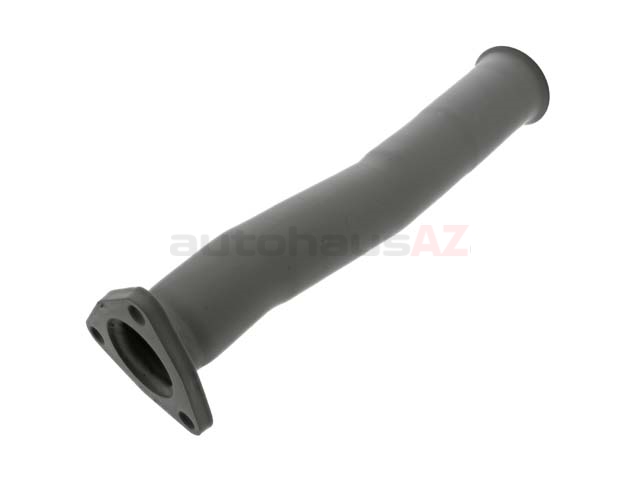
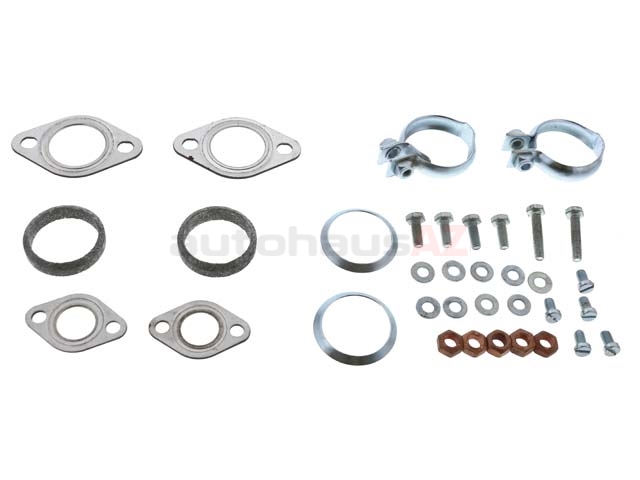
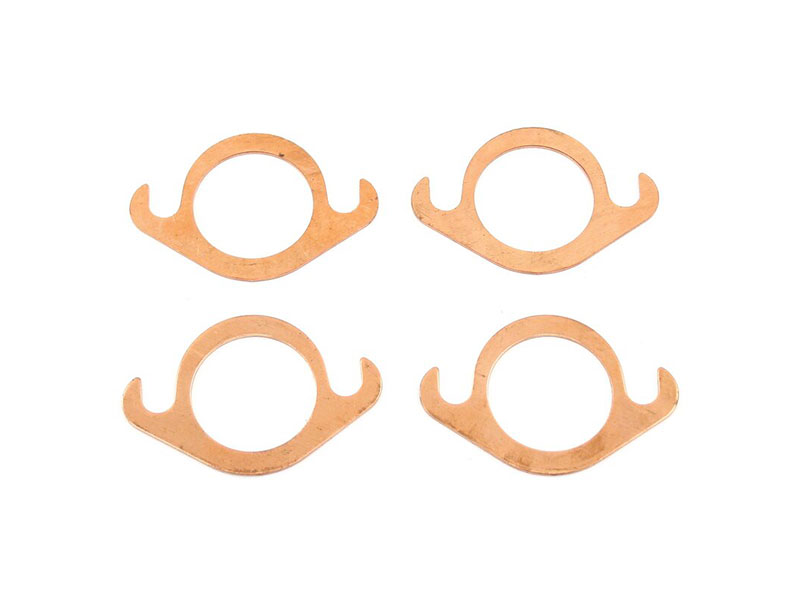
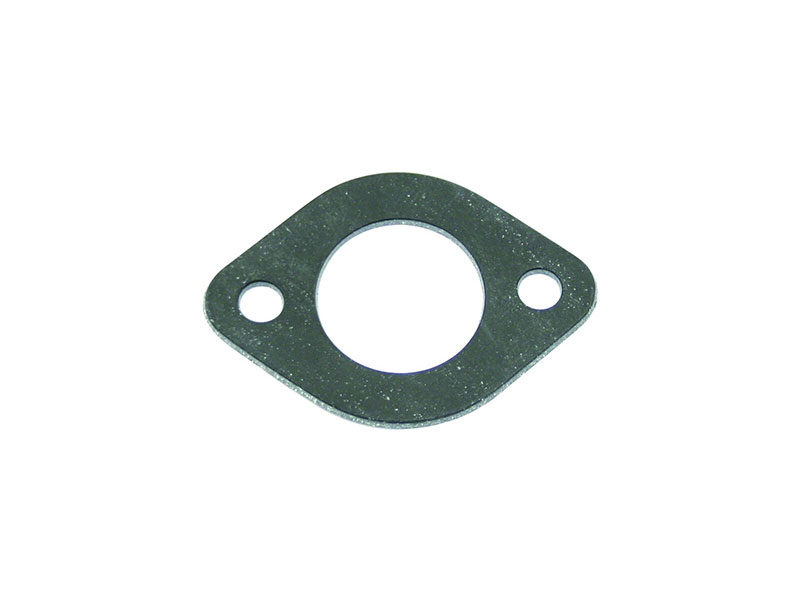
Based on industry averages you can expect to pay between $1.09 and $50.99 for a VW Bus exhaust pipe.
What Is The Most Common Cause Of Rust On a VW Bus Exhaust Pipe?
Most rust on a VW Bus exhaust pipe is caused by regular exposure to moisture and road salt, especially in places where winters get rough. Since the exhaust sits below the vehicle, it’s hit with water, dirt, salt, and anything else the road throws at it. When the original protective coating wears thin, the metal beneath starts to break down. Many VW owners battle this by rinsing the undercarriage often and using rust-preventative sprays or high-temp paint. Spotting rust early and keeping things clean can buy you more time before major repairs are needed.
How Do I Tell If My VW Bus Exhaust Pipe Needs to Be Replaced?
Telltale signs your VW Bus exhaust pipe might be done for include louder-than-normal engine sounds, odd vibrations, or even visible holes and splits in the pipe. A drop in fuel mileage or the smell of fumes inside the van are big red flags too. When you check underneath, keep an eye out for rust, leaks, or weak spots. If a section looks heavily rusted or you notice damage, a replacement is usually in order. It’s worth acting quickly—a failing exhaust not only disrupts your drive, but it can also put your safety at risk.
What Materials Work Best for Replacing a VW Bus Exhaust Pipe?
If you’re swapping out your VW Bus exhaust pipe, the usual go-to materials are stainless steel and aluminized steel. Stainless steel is great against rust and will last for years, which is why it’s a favorite for restorers or anyone in a wet climate. Aluminized steel is a more budget-friendly option that still gives you solid durability. If you’re after an authentic, original look, you might lean toward mild steel, but you’ll need to stay on top of treatment or rust can set in fast. The right material really just depends on your climate, budget, and how much you care about originality.
How Difficult Is It to Install a VW Bus Exhaust Pipe at Home?
Taking on a VW Bus exhaust pipe installation at home is a solid DIY project, but it helps to have some wrench skills. You’ll need the basics—hand tools, jack stands, and safety gear. The biggest challenge is usually fighting with stubborn, rusty bolts. A good soaking of penetrating oil and some patience go a long way here. For Buses that sit low, you’ll want to jack it up for more room. If you’re comfortable turning a wrench and have the tools, you can tackle it yourself. If not, handing the job off to a pro is never a bad idea for peace of mind.
What Are the Symptoms of an Exhaust Leak in My VW Bus?
If your VW Bus exhaust pipe has sprung a leak, you’ll probably hear a sharp tapping or hissing—especially when stepping on the gas. The smell of exhaust fumes is another clear warning, and if you ever notice those inside the cabin, that’s a major safety issue. Other signs to watch for include sluggish acceleration, worse gas mileage, or even seeing a bit of smoke or black marks around the leak. Besides hurting your van’s performance, leaks can be dangerous, so it’s smart to get them checked out right away.
Where Can You Find Affordable VW Bus Exhaust Pipes?
AutohausAZ makes tracking down a VW Bus exhaust pipe simple and easy on your wallet. Their selection covers just about everything, with fair prices and regular discounts to keep costs down. Orders ship quickly, and if you have to send something back, returns are a breeze. The idea is to take the stress out of repairs, so you can focus more on enjoying the road with your VW.