

VW Bus Intake Manifold Parts
Showing 3 out of 3 part(s) found in our catalog.
Brand
Keyword
Subcategory
Mon-Fri 8-4 MST/PST (Arizona Time)



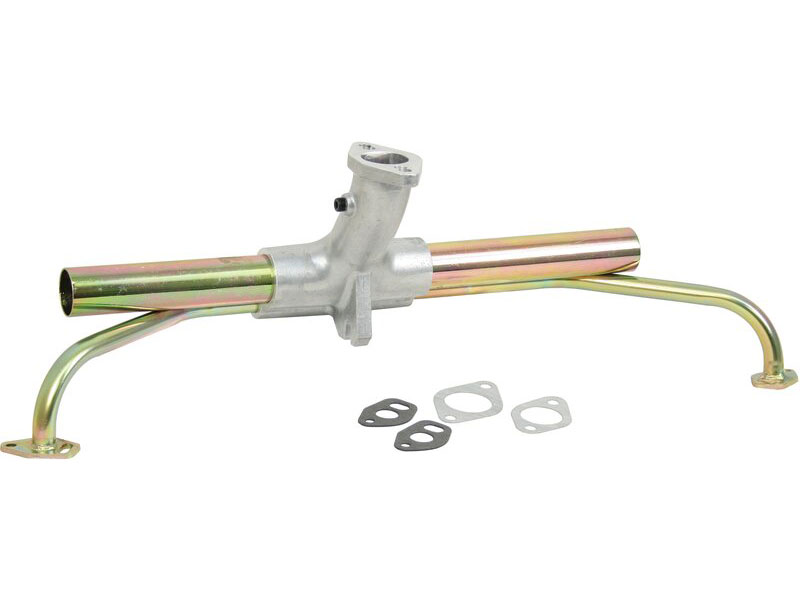
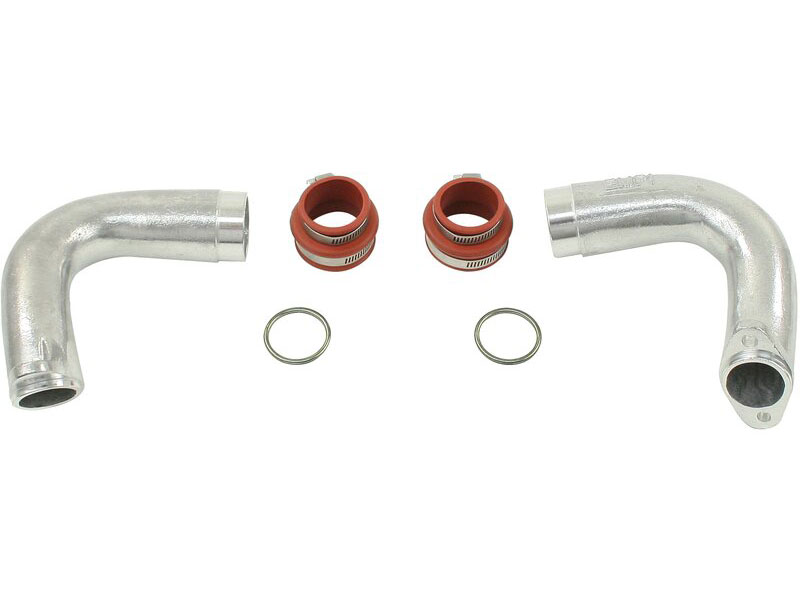
The average price of a VW Bus intake manifold is between $107.35 and $176.99.
What Causes Vacuum Leaks In A VW Bus Intake Manifold?
A vacuum leak in a VW Bus intake manifold can sneak up on anyone. Old rubber boots stiffen and split. Gaskets start to crumble as time passes. Even the metal manifold itself can warp, sometimes just from too many heat cycles or maybe because it wasn’t bolted down quite right. Manifold ends will give in after years of vibration and use. Check all the places where parts meet—cracks, dried-out hoses, or places where you hear a hiss. A fresh gasket or new boots make a real difference. Stay on top of these checks so a tiny leak doesn’t turn into an engine headache.
How Do You Remove And Replace The VW Bus Intake Manifold?
To pull the VW Bus intake manifold, disconnect the battery first. Take apart any fuel lines or vacuum hoses connected to the manifold, and don’t forget the carb linkage. Unbolt the whole assembly—sometimes the bolts are tough, so use the right tools. Lay out each part in the order you removed it, or take a photo if you like. Toss the old gasket and go in with a new one, because reusing it just invites leaks. Bolt everything down tight, to spec, and double-check that each hose finds its way back home. Fire up the engine for a test to make sure it’s all working right.
What Are Signs That The VW Bus Intake Manifold Needs Replacement?
The VW Bus intake manifold will drop hints when things aren’t right. The engine might stutter or lose power. Sometimes it idles rough, acting like it wants to stall. Lean in and look—cracks in metal or chunks missing from gaskets are plain signs, but you might only notice a faint whistling noise around the seals. Smell fuel? That’s trouble. Watch for misfires, popping from the exhaust, or nasty backfires. Don’t brush off strange feelings in the throttle or weird noises. Pop the lid and look everything over during oil changes or whenever you get the urge.
Which Intake Manifold Gasket Is Best For VW Buses?
Sticking with an OEM gasket for your VW Bus intake manifold keeps things simple, but a well-made composite or modern fiber gasket can outlast old cork or paper options. Some owners swear by the tougher aftermarket gaskets—they handle heat and never give up early. Be sure to match your gasket to the engine year; even tiny differences can cause trouble. Replace gaskets, every time, no excuses. If you skip this step or try to reuse one, leaks find a way back in, and you end up doing the job again later.
How Do Intake Manifold Leaks Affect Engine Performance On VW Buses?
A leak in the VW Bus intake manifold throws everything off-balance. The engine gulps too much air, runs lean, and chokes itself. Drivers notice the lag in acceleration, or maybe it sputters at a stoplight. Sometimes the engine makes a racket, backfiring or pinging. Bad leaks can push the temperature gauge too high. You might also see the check engine light come on out of nowhere. Patch leaks right away. You’ll get smoother running, better miles per gallon, and less chance of bigger repairs hitting your wallet down the road.
Why Buy Your VW Bus Intake Manifold From AutohausAZ?
When your VW Bus needs an intake manifold, AutohausAZ has your back. We’re drivers, just like you. We make it easy: clear prices up front, so you don’t have to hunt for decent deals. Orders ship fast, and if you ever get the wrong part, returns aren’t a chore—ship it back, no hassles. We’re here whether you’re fixing a well-loved camper or squeezing new miles out of your daily ride. If you run into questions, you’ll reach someone who actually knows the car. Good parts, quick delivery, and genuine support mean you spend less time on repairs and get back to enjoying the drive.