

VW CC Heater Hose Parts
Showing 3 out of 3 part(s) found in our catalog.
Brand
Keyword
Subcategory
Mon-Fri 8-4 MST/PST (Arizona Time)

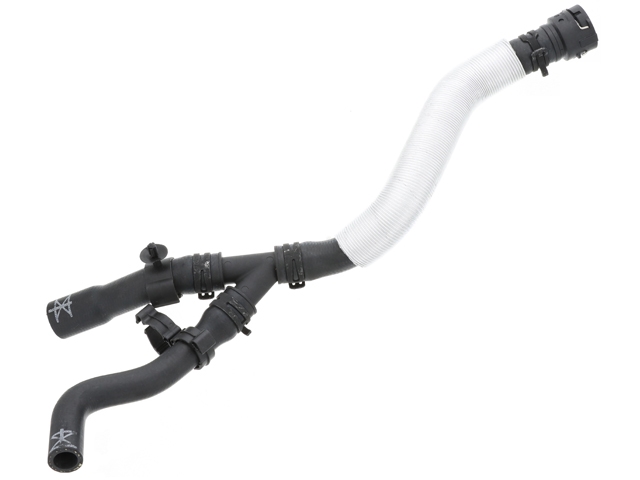


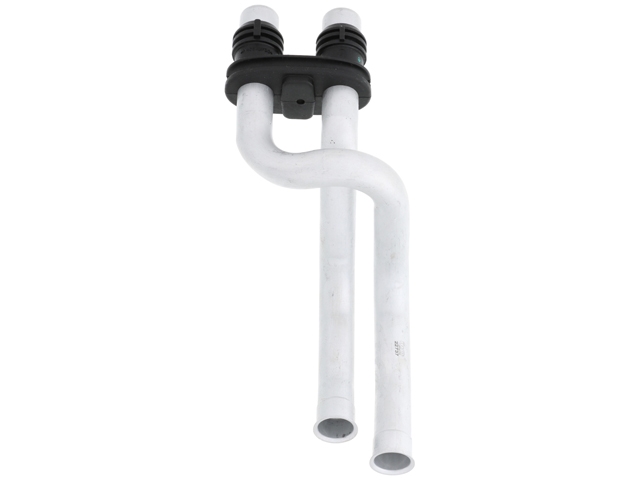

Based on industry averages you can expect to pay between $30.99 and $96.99 for a VW CC heater hose.
What Causes Leaks In The VW CC Heater Hose?
Leaks in the VW CC heater hose often come from old rubber that’s lost flexibility after years under the hood. Heat cycles put the hose through a lot, making the material crack or split along weak spots. If the clamps stop holding tight, coolant starts to creep out around the fittings. Stones from the road or jostling from rough rides break down the hose even faster. When the surface gets soft or puffy, it’s just a matter of time before a leak shows up. Checking where the hose connects, you might notice dried coolant—a chalky white trace along the ends—which means it’s time to act before things get worse.
How Do I Identify A Faulty VW CC Heater Hose?
You may see a puddle under your VW, or smell something sweet near the engine. Sometimes, the heater won’t give off any warmth, no matter how long you drive. Pop the hood and look for wet patches, splits, or lumpy spots on the VW CC heater hose. If the hose feels squishy when you squeeze it gently after the car has cooled down, that’s a bad sign. Don’t forget to check both ends—coolant can leak slowly, leaving behind sticky residue. Most folks find visual checks, and maybe a quick touch, clear up any doubts about the hose’s condition.
How Difficult Is It To Replace The VW CC Heater Hose?
Changing out a VW CC heater hose isn’t tricky for people comfortable around tools. Wait until the engine cools down, so the job stays safe. Drain the coolant, loosen the clamps, and work the old hose free. Sometimes, old rubber clings tight, but a gentle twist usually does the trick. Fit the new hose, tighten everything, and refill the coolant—just follow your manual for bleeding air out. With no rust or stuck parts, most get the job finished in an afternoon, without breaking a sweat.
Do I Need Any Special Tools For VW CC Heater Hose Replacement?
You won’t need anything fancy—pliers, a screwdriver, and a drip pan can handle it. Those spring clamps can fight back, so clamp pliers make them easier, though regular pliers work in a pinch. If the hose won’t budge, a hook or pick tool can help you pry it free. Gloves keep your hands clean when the coolant comes out. Really, it’s a straightforward task that most folks can complete in their own driveway.
How Often Should The VW CC Heater Hose Be Replaced?
Take a look at the VW CC heater hose at least once each year during your normal maintenance. These hoses usually hold up for 75,000 to 100,000 miles, but extreme weather or heavy use can age them early. If you see any swelling, cracks, or coolant stains, don’t wait—swap the hose before it fails on the road. Sudden changes in engine temp or constant coolant loss signal it’s time for a close check. When it comes to hoses, acting early often beats getting stranded.
How Can You Easily Replace Your VW CC Heater Hose And Save Money?
At AutohausAZ, swapping your VW CC heater hose doesn’t have to set you back. You won’t waste time hunting for bargains—we keep prices fair and simple. Shipping happens fast, so you get parts quick and can get back on the road sooner. Returns, if you need them, are stress-free. Let us help you keep your VW running right, painlessly and affordably.