

VW Eos Belt Tensioner Parts
Showing 6 out of 6 part(s) found in our catalog.
Brand
Keyword
Category
Select category below to view parts.
Mon-Fri 8-4 MST/PST (Arizona Time)



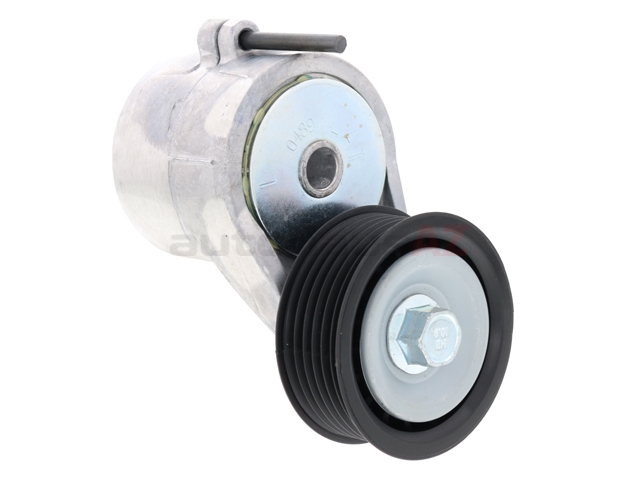
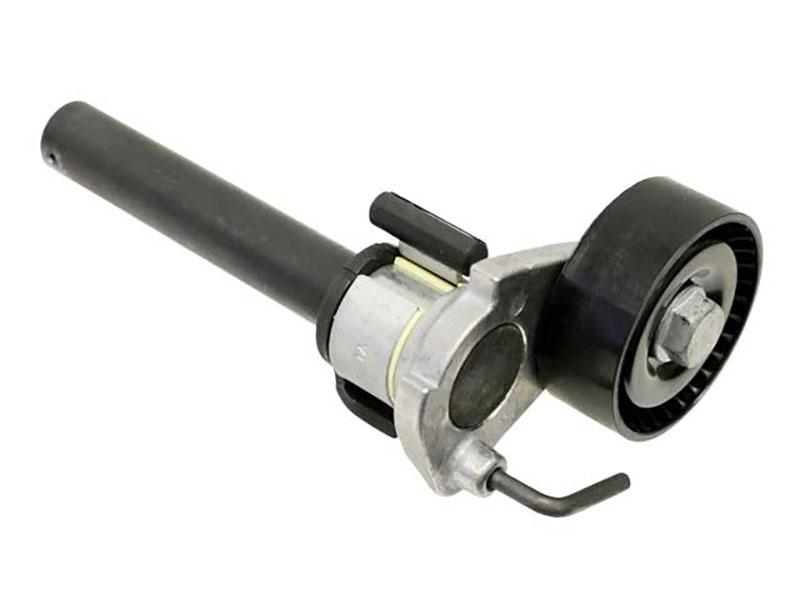
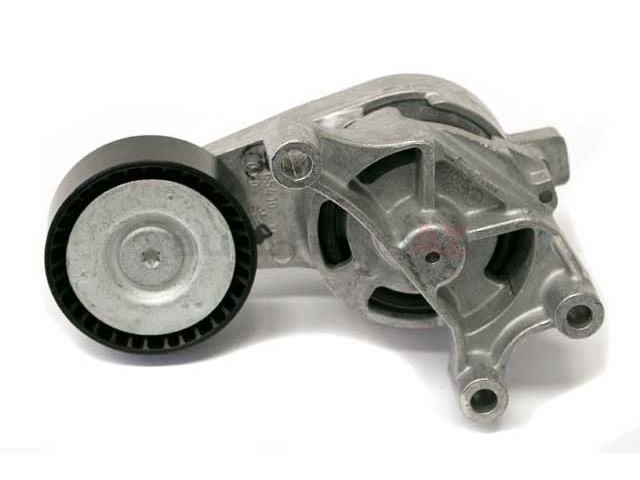
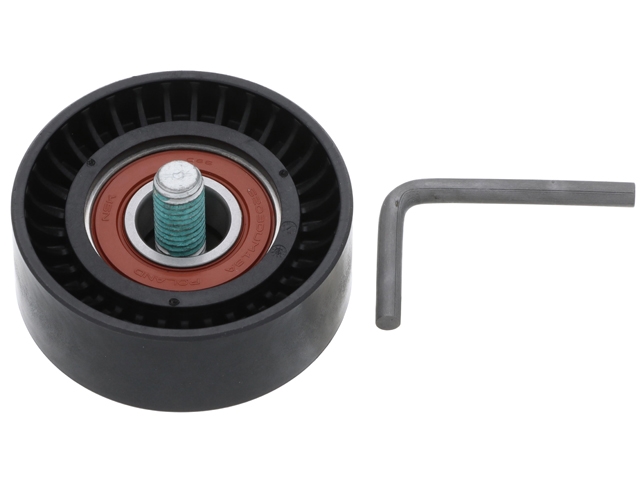
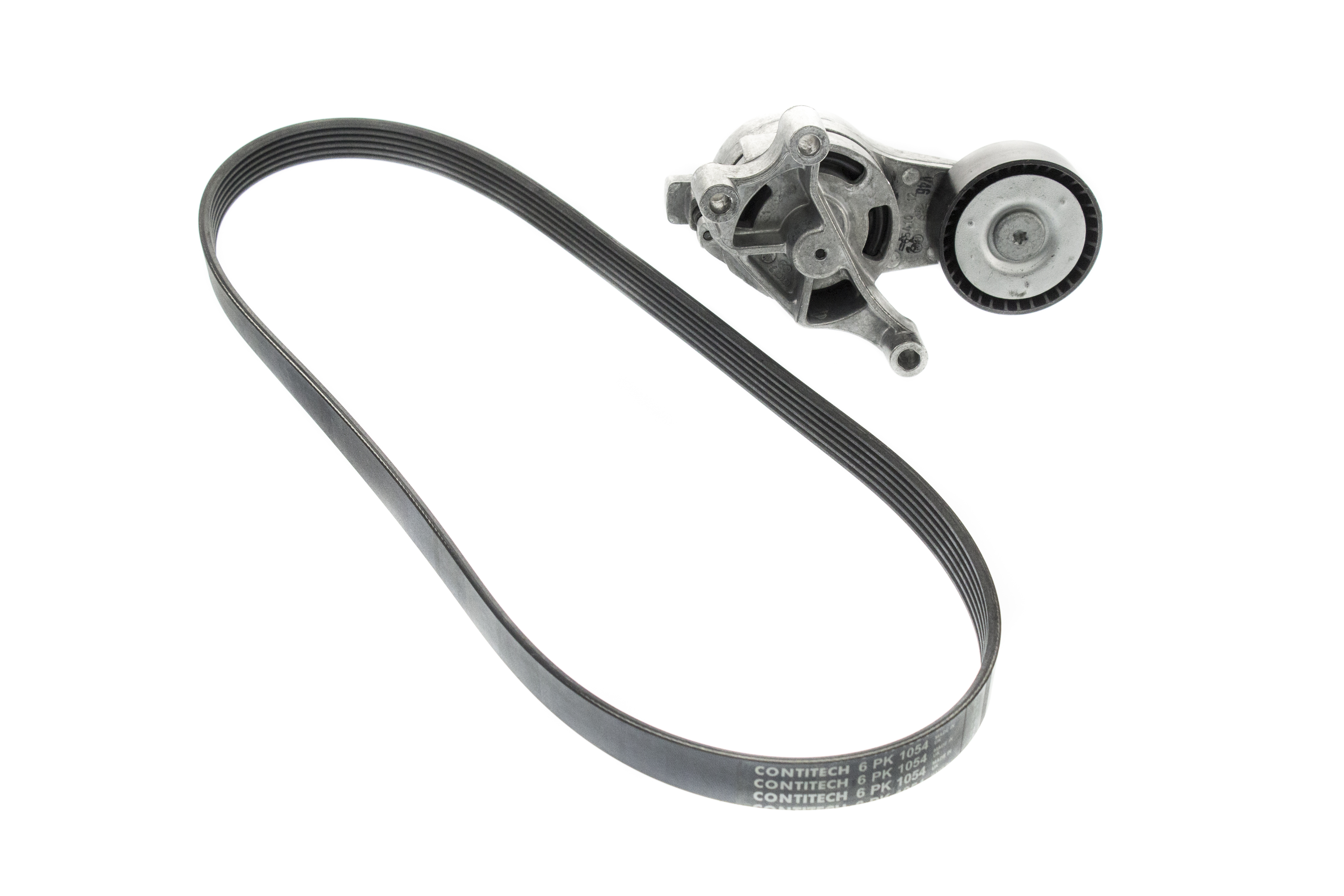
Based on industry averages you can expect to pay between $37.99 and $77.08 for a VW Eos belt tensioner.
What Are The Symptoms Of A Failing VW Eos Belt Tensioner?
If your VW Eos belt tensioner is on its way out, you’ll usually notice a few telltale signs. There might be a high-pitched squeal or chirping noise from under the hood, especially when you first start the car or hit the gas. Sometimes the belt will look loose, or you might spot it wobbling as the engine runs. It’s not unusual to feel a bit more vibration than normal, too. In some cases, warnings might pop up on your dashboard—like a check engine light or a battery warning. Left unchecked, a bad belt tensioner can lead to the belt slipping or even falling off completely, so it pays to catch these symptoms early.
How Long Does A VW Eos Belt Tensioner Typically Last?
Most VW Eos belt tensioners last somewhere between 60,000 and 100,000 miles, though this can vary depending on driving habits and road conditions. If you spend a lot of time driving in the city or taking short trips, the tensioner could wear out a bit sooner. Regular maintenance makes a difference, too. It’s a good habit to have the belt and tensioner looked over during oil changes or routine service, especially if your car is past the 60,000-mile mark. Don’t ignore signs of wear—they’re a good signal it’s time to start thinking about a replacement.
Can I Replace The VW Eos Belt Tensioner Myself?
If you’re comfortable with basic car repairs and have some tools, swapping out the VW Eos belt tensioner is definitely doable at home. The job involves slipping off the old serpentine belt, unbolting the old tensioner, and installing the new part. Some versions of the Eos make it a little tricky to reach the tensioner, so you might need to move a few components out of the way. Make sure you have the right socket sizes and a diagram of the belt’s layout. If you get stuck or it looks tighter than expected, there’s nothing wrong with calling in a professional to help.
Is It Necessary To Replace The Belt When Changing The VW Eos Belt Tensioner?
It’s usually best to replace the serpentine belt at the same time as the VW Eos belt tensioner. Both parts tend to wear together, and putting an old belt on a new tensioner can lead to extra wear or an early failure. Even if the belt looks okay at first glance, tiny cracks or stiffness are clear signs it’s time for a new one. Taking care of both in one go means less chance of headaches down the road, and you’ll save yourself another repair bill in the near future.
What Causes A VW Eos Belt Tensioner To Fail Prematurely?
Several things can cause a VW Eos belt tensioner to give up early. A worn, loose, or misaligned belt puts extra strain on the tensioner’s moving parts. Oil leaks or grime from the engine can work their way into the tensioner, making it stick or seize up. Rough roads, engine heat, and using cheaper replacement parts also take their toll. The best way to keep your tensioner lasting longer? Stick with quality parts, check for leaks now and then, and don’t ignore unusual noises or vibrations coming from the engine bay.
Why Choose Us For Your VW Eos Belt Tensioner?
When you order your VW Eos belt tensioner from us, you’ll get more than just a good deal. We ship fast, so you’re not stuck waiting around for parts. If there’s any issue—something doesn’t fit or isn’t quite right—our returns are hassle-free and quick. We make it easy to find the right belt tensioner so you can get back to driving right away, without the stress.