
VW Eos Clutch Slave Cylinder Parts
Showing 1 out of 1 part(s) found in our catalog.
Brand
Keyword
Subcategory
Mon-Fri 8-4 MST/PST (Arizona Time)

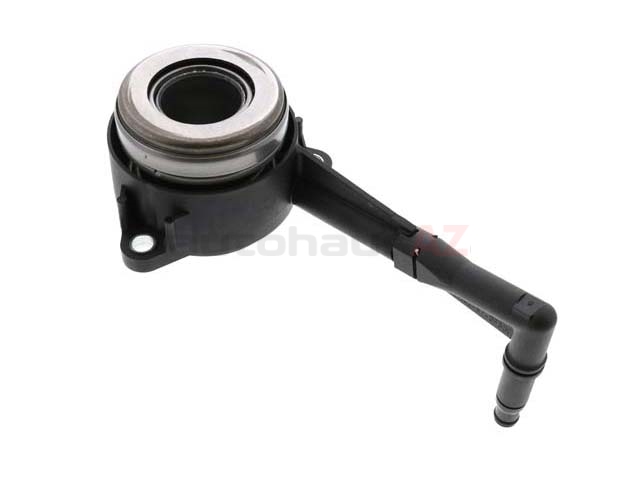


The average cost of a VW Eos clutch slave cylinder is between $96.99 and $96.99.
What Are The Signs That My VW Eos Clutch Slave Cylinder Is Failing?
You might notice your VW Eos clutch slave cylinder going bad when shifting feels tougher than usual, especially into first or reverse gears. Sometimes the clutch pedal turns soft or starts sinking right to the floor, making the car hard to drive. If you look under the car and spot fluid pooling under the transmission, or see the clutch reservoir running low more often than normal, that's a red flag. Some folks hear strange noises—maybe a squeak or grind—while engaging the clutch. Since these signs can point to other clutch parts, a close look at the cylinder and its fluid lines helps sort out the problem.
How Difficult Is It To Replace The VW Eos Clutch Slave Cylinder?
Changing the VW Eos clutch slave cylinder isn’t the simplest driveway job, but it's doable for someone with some tools and experience. Most models hide the slave cylinder inside the bell housing, so the transmission has to come out. That means lifting the car and moving some parts out of the way. A seasoned DIYer can handle it over a weekend, though it’s a job that gets much easier with a helper and the right gear. Once it’s out and the new one is in, bleeding the hydraulic system wraps things up. Some drivers prefer letting a mechanic take care of this—understandable with a task this involved.
How Long Does A VW Eos Clutch Slave Cylinder Last?
A VW Eos clutch slave cylinder tends to last as long as the clutch—anywhere from 60,000 up to 100,000 miles. Of course, a few things can change that. Lots of city driving, more stops, or riding the clutch can shorten its life. Skipping regular checks on the hydraulic fluid doesn’t help, either. If you live where summers get brutal or winters harsh, parts take a beating and may wear out faster. Most people swap out the slave cylinder when doing a clutch job. It’s one less worry once the transmission’s apart.
Do I Need To Bleed The System After Replacing My VW Eos Clutch Slave Cylinder?
Yes, bleeding the clutch line is a key step whenever you swap out the VW Eos clutch slave cylinder. Air in the system turns the pedal mushy and can even stop the clutch from disengaging right. Bleeding lets out those air bubbles, restores pedal pressure, and makes sure gear changes stay smooth. Skipping this part leads to more headaches and can stress out new or old parts alike. Guides usually lay out the steps: top up the fluid, pump the pedal, watch for bubbles, repeat. It rarely takes long but pays off every time.
What Causes A VW Eos Clutch Slave Cylinder To Fail?
Several things can ruin a VW Eos clutch slave cylinder. The big one is seal failure—when rubber seals shrink, crack, or wear out, leaks start. Dirty or old clutch fluid speeds this up and can make things worse by sending grit through the system. Moisture inside the lines brings on rust, and sooner or later, internal parts stick or stop sealing altogether. Using the wrong fluid can eat away at the seals. Heavy traffic, towing, and aggressive shifting push the cylinder harder, cutting down its life. Keep the fluid clean and topped up, and your slave cylinder stands a better shot at lasting longer.
Why Choose Us For Your VW Eos Clutch Slave Cylinder?
We know the hassle a failing clutch brings—nobody wants their Eos out of commission. That’s why our clutch slave cylinders are priced fairly, ship out fast, and come with flexible return options. You get genuine, well-made parts without a long wait or back-and-forth. Our team puts drivers first, making sure the process is painless from order to install. Trust us, your VW Eos will thank you for it.