

VW Eos Coolant Hose Parts
Showing 20 out of 40 part(s) found in our catalog.
Brand
Keyword
Category
Select category below to view parts.
Mon-Fri 8-4 MST/PST (Arizona Time)

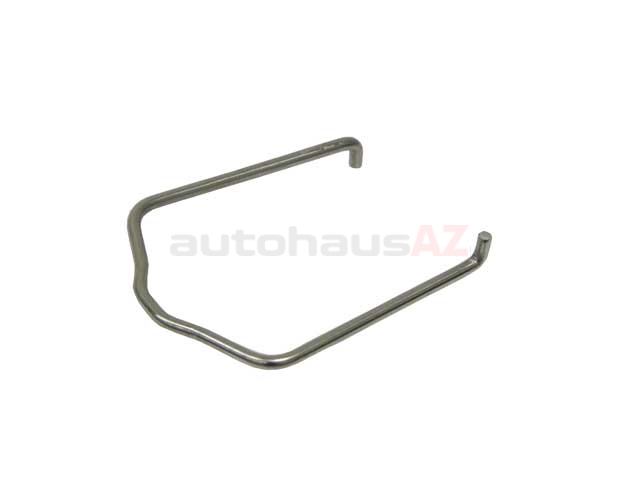


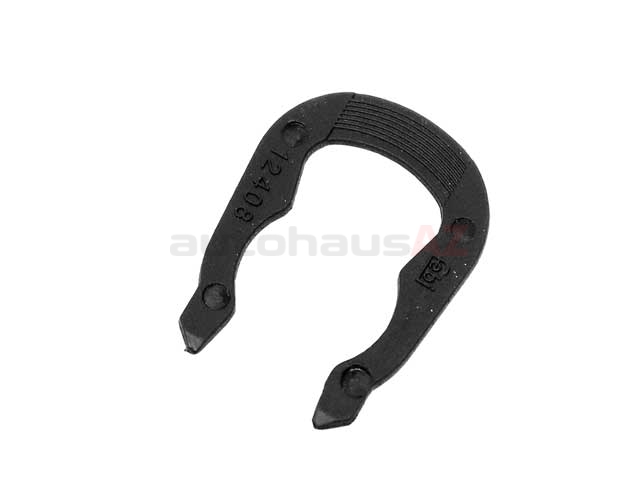
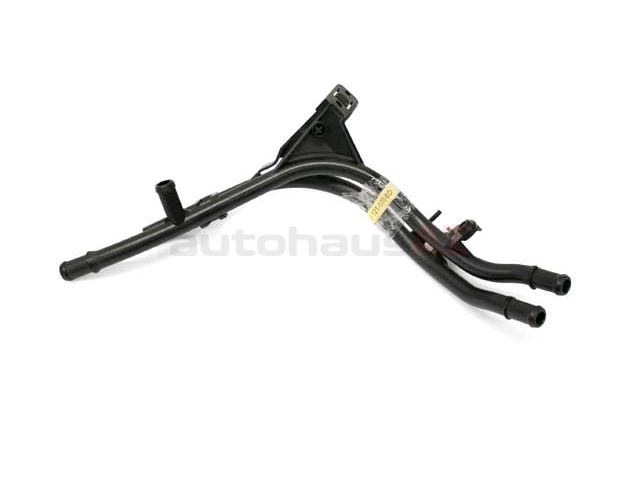
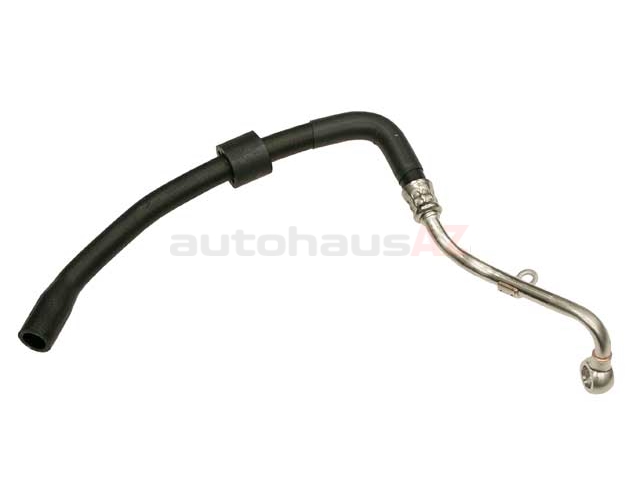
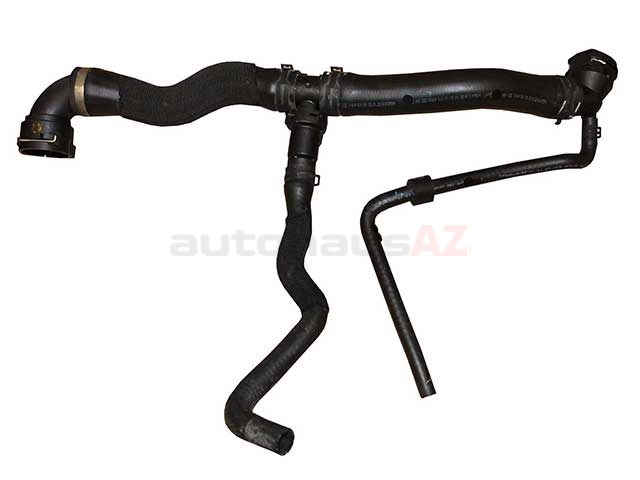
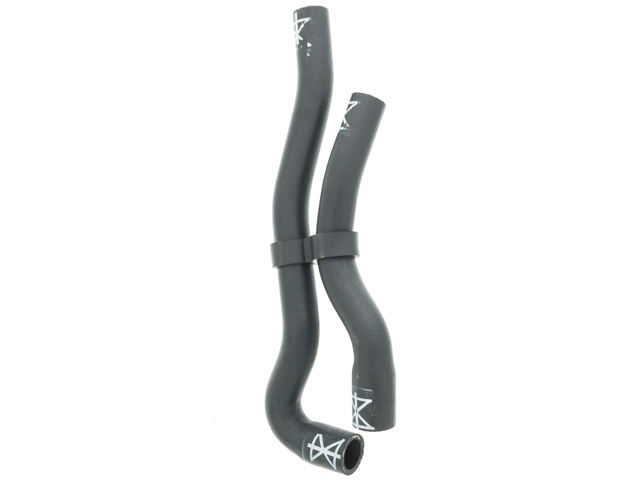
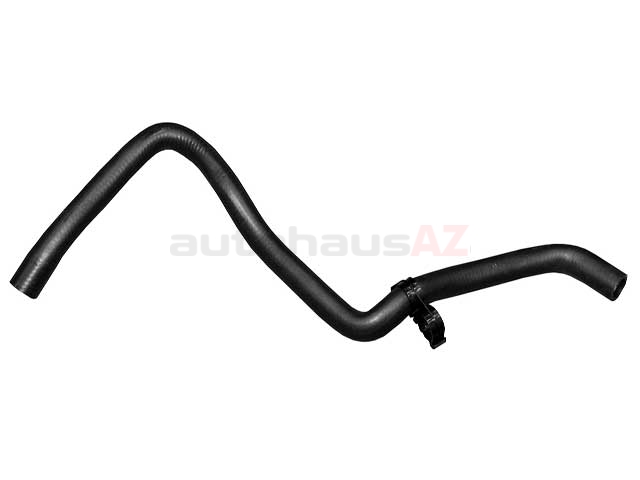

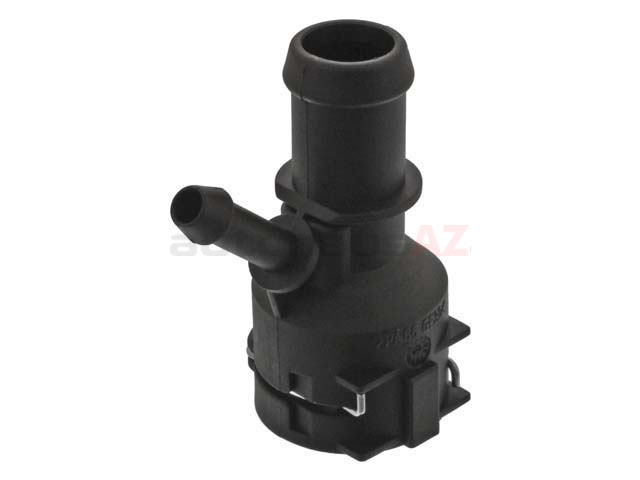
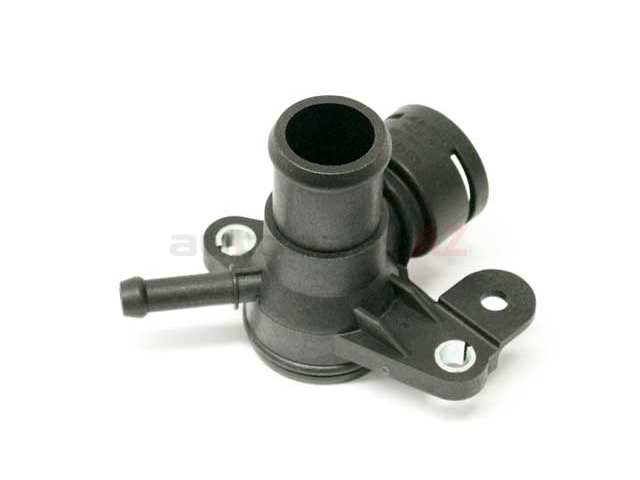
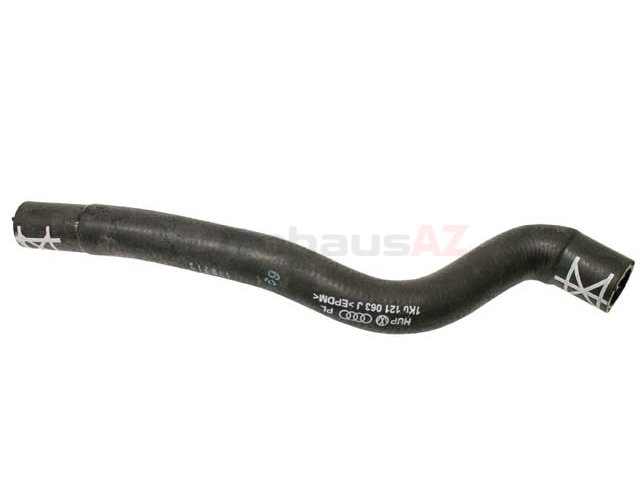
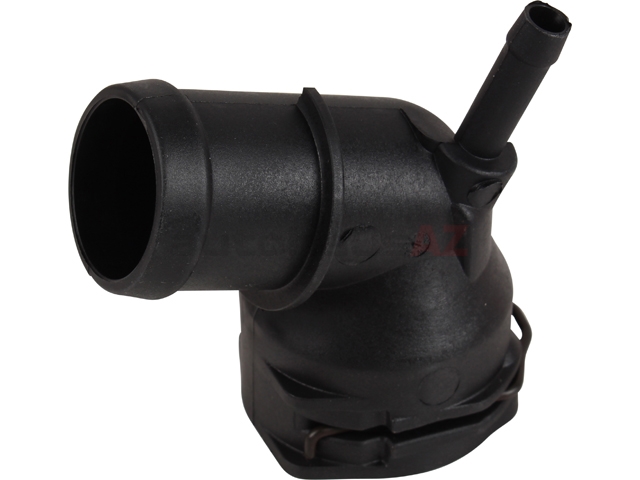

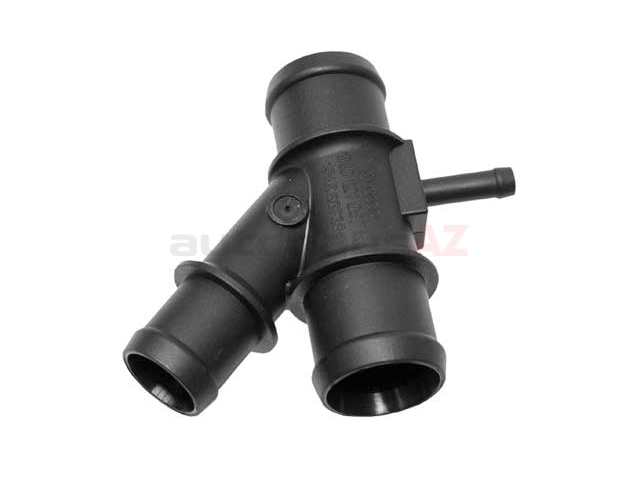
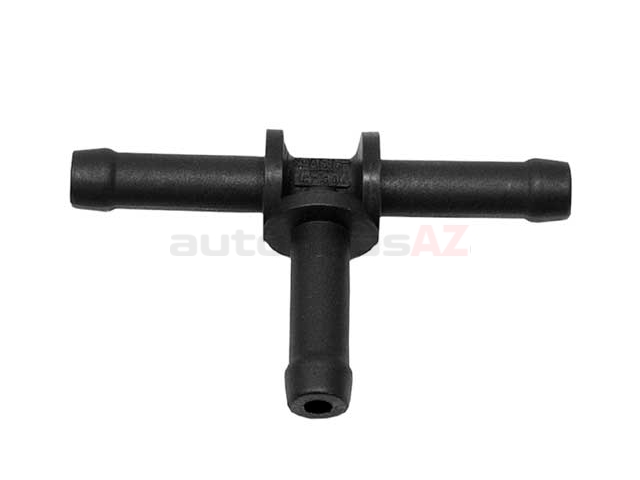
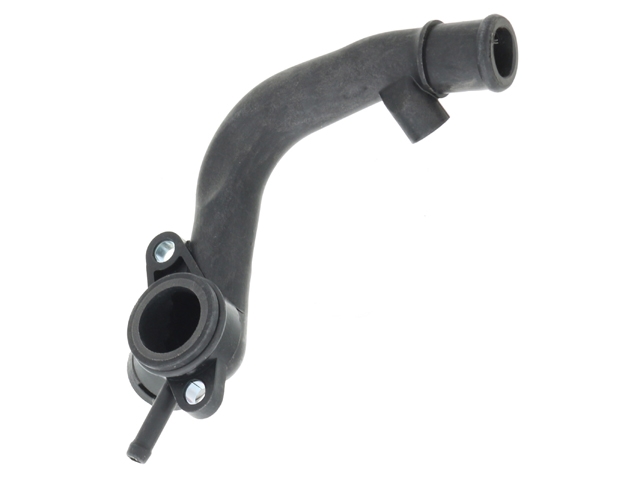
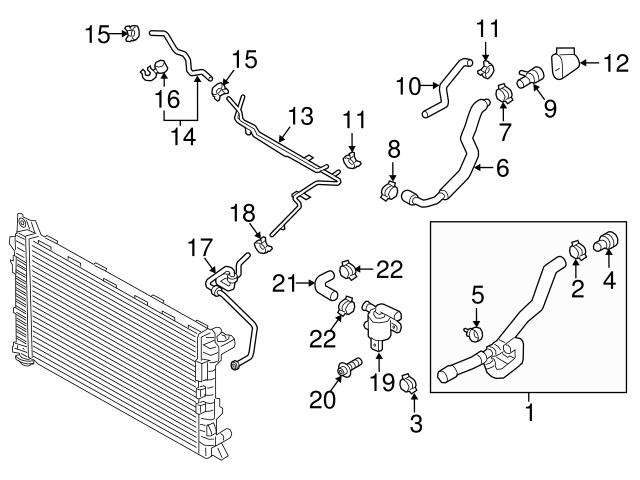
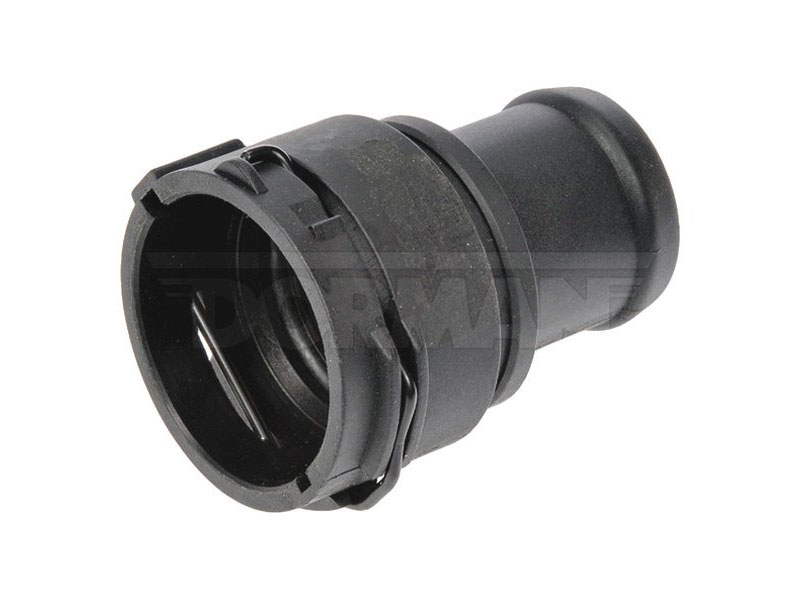
The average cost of a VW Eos coolant hose is between $0.99 and $103.99.
What Are Common Signs Of A Faulty VW Eos Coolant Hose?
Most drivers spot a coolant hose problem by finding a bright puddle under the car or by noticing the coolant level drop without an obvious cause. Some hear a strange hiss from under the hood once the engine shuts off. When pressed, a weakened VW Eos coolant hose might feel spongy or even mushy. Under the hood, a sweet, syrupy odor sometimes lingers after a drive—coolant has a distinct smell when it leaks. Overheating while driving, even when there’s no heavy traffic or load, suggests a hidden leak or faulty hose as well. Ignoring these clues often leads to bigger engine trouble.
How Often Should The VW Eos Coolant Hose Be Replaced?
Hoses aren’t built to last forever. Checking your VW Eos coolant hose at each oil change is a smart habit. Many people swap them out between 60,000 and 100,000 miles, though tough conditions speed up wear. Extreme heat, slow city traffic, and road grit all chew up hose life. If a hose looks cracked or feels rubbery-soft before the next interval, don’t wait. Swapping old hoses means fewer roadside surprises and helps keep the engine running at its best.
What Causes VW Eos Coolant Hose Leaks?
Heat, pressure, and old age quickly age a VW Eos coolant hose. Warm coolant and engine gasses push rubber to its limit, especially after years of use. Sometimes, a clamp installed too tightly cuts grooves right into the hose, and leaks form. In cold climates, salt or grit on the hose outside leads to slow damage. Mice and other small creatures can also chew holes without warning. On top of that, mixing the wrong coolant or skipping regular flushes sparks even faster breakdown inside the hose.
Which VW Eos Coolant Hose Is Most Prone To Failure?
The lower radiator hose often gets the worst of it. Dirt, rocks, and salt pelt the hose while you’re on the road. It has tight bends and sits close to the hot engine block—heat and pressure here are highest. As hoses flex and settle each drive, weak spots form in these bends and low spots. Quick checks on both lower and bypass hoses help catch small issues before they wreck your cooling system.
Can I Replace A VW Eos Coolant Hose Myself?
For many, swapping out a VW Eos coolant hose isn’t too tough. Always begin with a cold engine. A few tools and a drip pan will do. Slide off the bad hose, fit the replacement, and tighten the clamps. After refilling the coolant and squeezing out air pockets, watch for leaks. If you’re new to repair work, an old manual or online video takes the guesswork out of tricky steps. When in doubt, a trusted shop can handle the job in little time.
Why Buy Your VW Eos Coolant Hose From AutohausAZ?
AutohausAZ makes finding a VW Eos coolant hose simple. Prices won’t knock your budget sideways, and delivery is quick. If something isn’t right, returns are swift and painless. The team knows their stuff, so you’ll get exactly what fits your car, fast. No drawn-out hassle—just good parts, at prices that make sense.