
VW Eurovan Clutch Slave Cylinder Parts
Showing 2 out of 2 part(s) found in our catalog.
Brand
Keyword
Subcategory
Mon-Fri 8-4 MST/PST (Arizona Time)



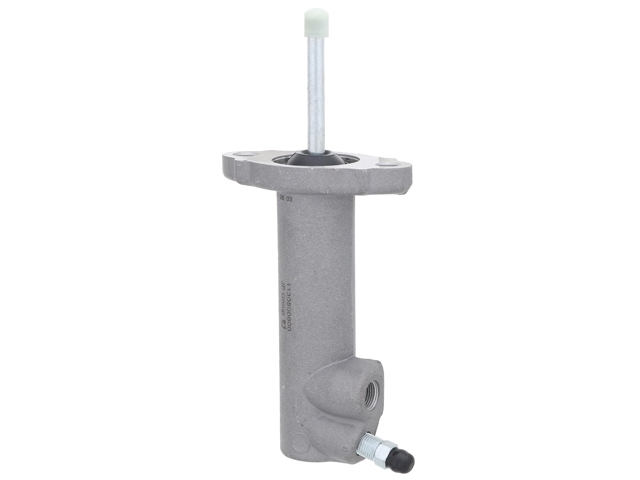
VW Eurovan clutch slave cylinder typically cost between $23.59 and $83.99.
How Do I Know If My VW Eurovan Clutch Slave Cylinder Is Failing?
Owners often notice early signs when the VW Eurovan clutch slave cylinder starts to go bad. You might find it’s harder to get the van into gear. Maybe the clutch pedal feels soft or stays on the floor longer than it should. Sometimes, you’ll spot leaks near the slave cylinder or a wet spot under the van. A few folks even see bubbles popping up in the brake fluid reservoir. If shifting feels rough or the pedal drops with no resistance, it’s a good time to look closer at the clutch slave cylinder and its parts. Spotting issues now can save you trouble and extra costs later.
What Causes My VW Eurovan Clutch Slave Cylinder To Leak?
Leaks from a VW Eurovan clutch slave cylinder don’t just show up for no reason. The seals inside the cylinder break down as time goes on, especially if the van sees a lot of driving. Dirty or old hydraulic fluid can speed up that wear, too. Bits of dirt and moisture sneak in, chipping away at the rubber and metal. Once those seals go, fluid slips out fast. Ignoring a leak only makes it worse, and pretty soon the clutch may stop working at all. Fixing the leak, whether by swapping out the seals or the whole cylinder, gets you back on the road safely.
How Do I Bleed The VW Eurovan Clutch Slave Cylinder?
When air creeps into the system, clutch problems aren’t far behind. To bleed the VW Eurovan clutch slave cylinder, grab a helper and some basic tools. Hook up a clear hose to the bleed screw, place the other end in a jar, and have someone press the clutch pedal a few times. Open the bleed screw, let the air and fluid out, and close it once you see clear, bubble-free fluid. Use the right brake fluid, keep it filled, and check for any leaks before wrapping up. A good bleed restores pedal feel and helps the clutch do its job.
Can I Replace The VW Eurovan Clutch Slave Cylinder Myself?
Home mechanics often handle this fix without much trouble. Swapping the VW Eurovan clutch slave cylinder calls for standard hand tools and some patience. Safely lift the van, remove whatever’s in the way, and disconnect the hydraulic line. Take off the old cylinder and bolt in the new one. Always use fresh seals and bleed the whole system before you test drive. Following a repair manual, taking your time, and thinking safety first turns a big-sounding job into something manageable.
Why Does The Clutch Pedal Stay On The Floor After Replacing The VW Eurovan Clutch Slave Cylinder?
After installing a new VW Eurovan clutch slave cylinder, it’s not rare for the pedal to drop and not bounce back. Usually, the problem is air trapped in the lines. If you rushed the bleeding step or missed some bubbles, the clutch pedal won’t feel right. Sometimes, issues run deeper — maybe the master cylinder or clutch itself is worn out. Bleed the lines again, inspect for leaks, and double-check each part until the pedal snaps back like it should.
Why Choose AutohausAZ For Your VW Eurovan Clutch Slave Cylinder?
With AutohausAZ, ordering a VW Eurovan clutch slave cylinder is straightforward. You get reliable parts at fair prices, and orders ship out quickly. Returns are simple if things don’t fit or you change your mind. The goal is to get you what you need, minus the headaches. For Eurovan repairs, AutohausAZ keeps it easy from start to finish.