
VW Eurovan Coolant Hose Parts
Showing 11 out of 11 part(s) found in our catalog.
Brand
Keyword
Category
Select category below to view parts.
Mon-Fri 8-4 MST/PST (Arizona Time)

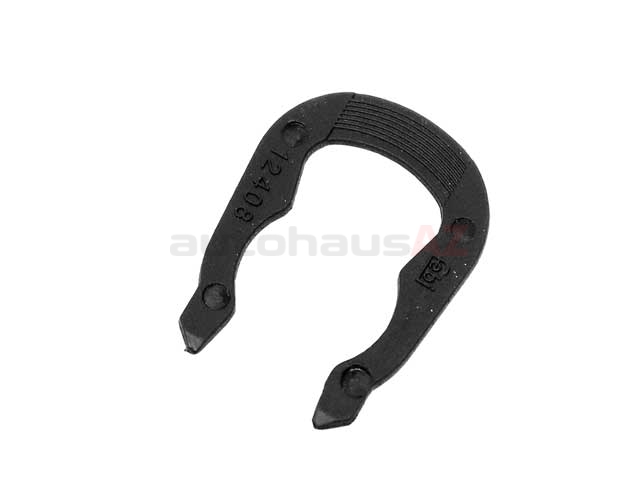


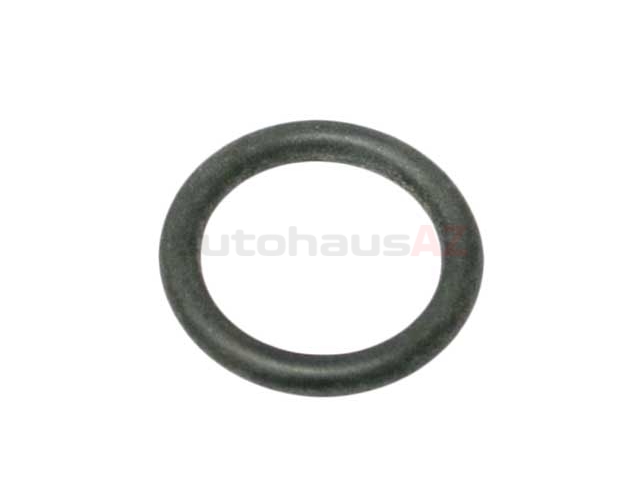
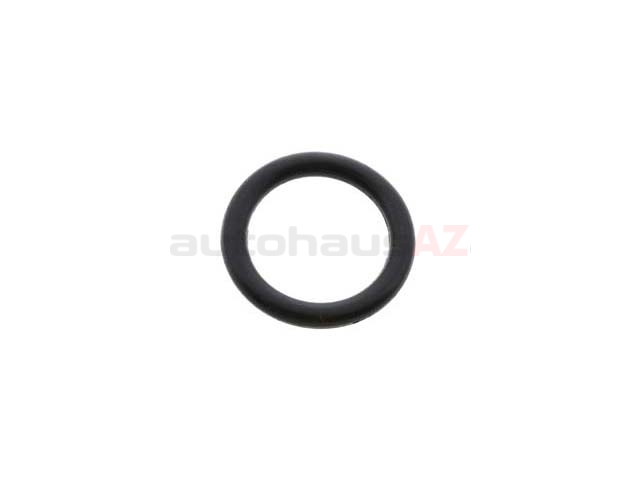

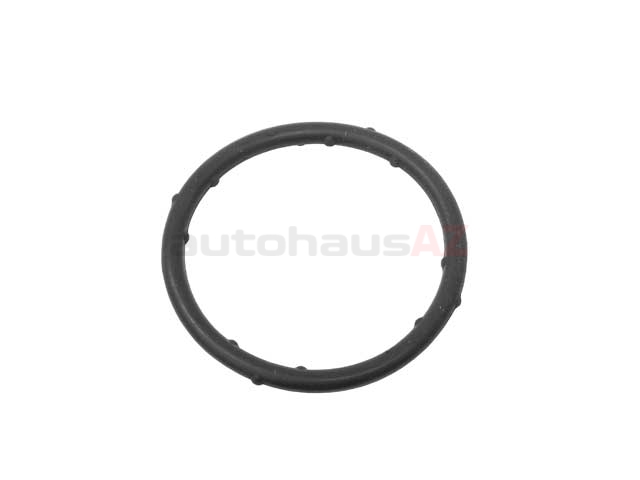

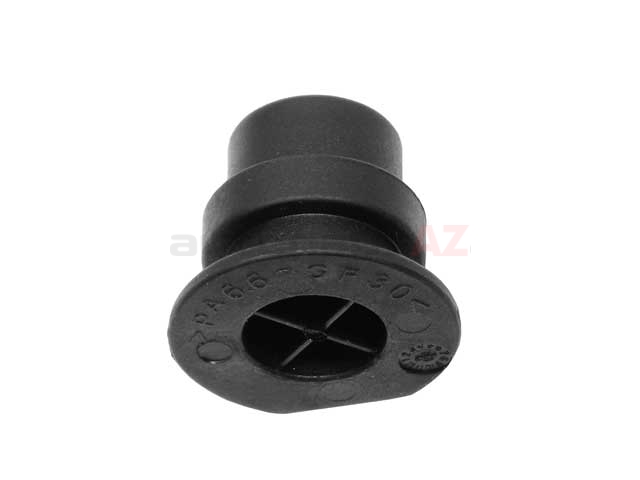
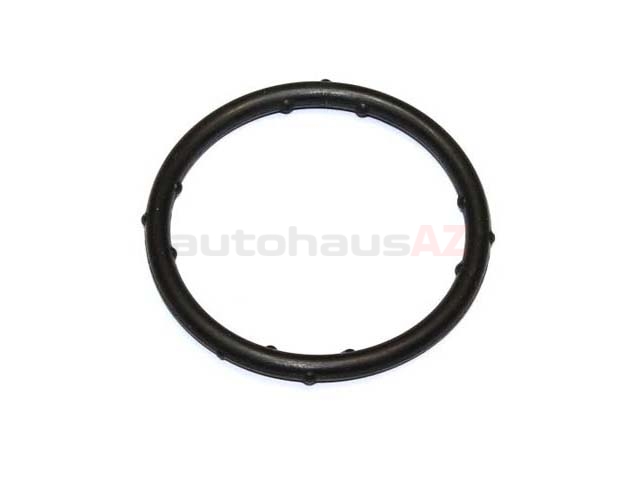
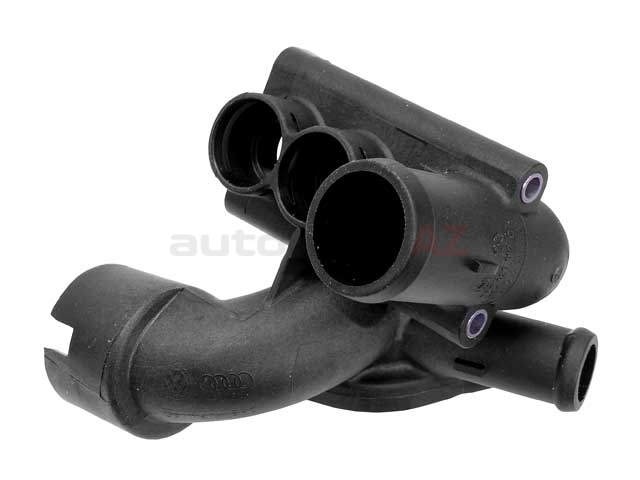
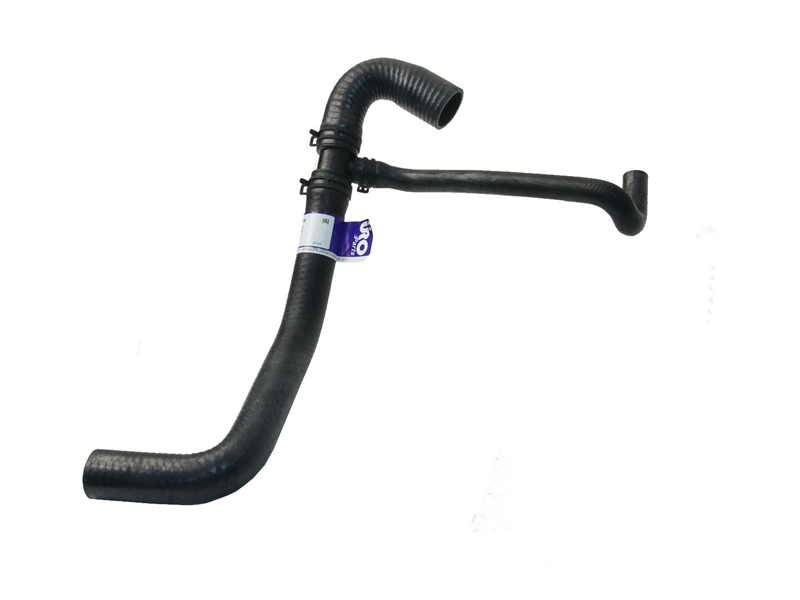
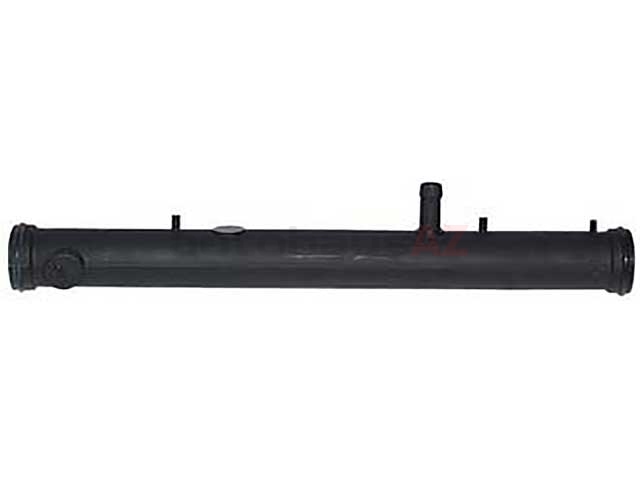
The average price of a VW Eurovan coolant hose is between $0.59 and $163.99.
How Can I Identify Which VW Eurovan Coolant Hose Needs Replacement?
Finding the culprit among VW Eurovan coolant hoses can be a messy job, but a close look often tells the story. Run your fingers along the hose—if it feels soft, swollen, or sticky, it’s probably had enough. Check for splits or cracks, especially where the hose bends or meets a clamp. A little drip under the van or crusty green lines across the hose signal a slow leak. After a drive, take a flashlight and check the hoses while the engine’s still warm; swollen spots or wet patches stand out. Hoses close to the exhaust or crammed next to engine parts get brittle first, so look there. Sudden drops in coolant, warning lights, or odd temperature swings mean it's time to check underneath. The service manual will help you find every hose, even the hidden ones.
What Are The Most Common Symptoms Of A Failing VW Eurovan Coolant Hose?
A VW Eurovan coolant hose on its last legs leaves clues. Puddles on the driveway, that sugary coolant smell, white steam sneaking out from under the hood—all are warning signs. Sometimes you see clear fluid stains where hoses dribble out coolant. The temperature needle on the dash climbs, heat from the vents goes missing, or fans run too long trying to make up the difference. Hoses might look swollen or show cracks running along the surface. Hear a faint hiss after shut-off? That’s coolant escaping under pressure. Don’t let it slide—small symptoms can turn into big repairs.
Which Replacement Materials Are Best For VW Eurovan Coolant Hoses?
For a solid fix, most stick with OEM VW Eurovan coolant hoses. These are shaped to fit tight spots and hold up under real-world heat and pressure. Some folks switch to silicone hoses for extra durability, since silicone handles years of heat and doesn’t dry out as fast. If you pick aftermarket, match the original shape and feel—thin, off-brand hoses tend to balloon or leak early. Look for hoses heavy in rubber, with firm but flexible walls. Cheap hoses save at first but often cost more in the long run.
How Difficult Is It To Replace The VW Eurovan Coolant Hose Yourself?
Swapping out a VW Eurovan coolant hose can be simple or frustrating, depending on where it’s hiding. A lower radiator hose near the front is a quick job—clamps off, hose out, new one slips on. But a heater hose wedged behind the engine needs small hands and patience. Always let the van cool first, then drain the system to avoid getting burned. Old clamps can be stubborn, so have spares ready. Double-check your hose routing—twisted hoses kink and fail fast. Once installed, refill with fresh coolant, bleed out trapped air, and watch for leaks after you fire up the engine. Tough spots might call for a repair manual or a friend who’s done it before.
What Preventive Measures Help Extend the Life of VW Eurovan Coolant Hoses?
Long-lasting VW Eurovan coolant hoses start with regular checks. Stick to coolant changes using the right brew, since old or mixed fluid chews up hoses. At every oil change, squeeze the hoses—any mushiness or cracks, toss them. Wipe away any spilled oil or grease, which can weaken hose rubber fast. Make sure clamps are snug but not pinching. Store your van out of direct sun if possible, as UV rays dry and crack hoses. A little preventive care saves big money and mess down the road.
Why Shop For VW Eurovan Coolant Hose At AutohausAZ?
AutohausAZ keeps it simple—fair prices, fast shipping, and parts that fit without hassle. No hunting for a sale or wondering if you bought the right thing. If by chance you did get the wrong hose, swapping it out is a smooth process. The right part shows up quick, so you spend less time in the garage and more time on the road. That’s why so many Eurovan owners stick with AutohausAZ.