
VW Eurovan Oil Cooler Parts
Showing 1 out of 1 part(s) found in our catalog.
Brand
Keyword
Subcategory
Mon-Fri 8-4 MST/PST (Arizona Time)

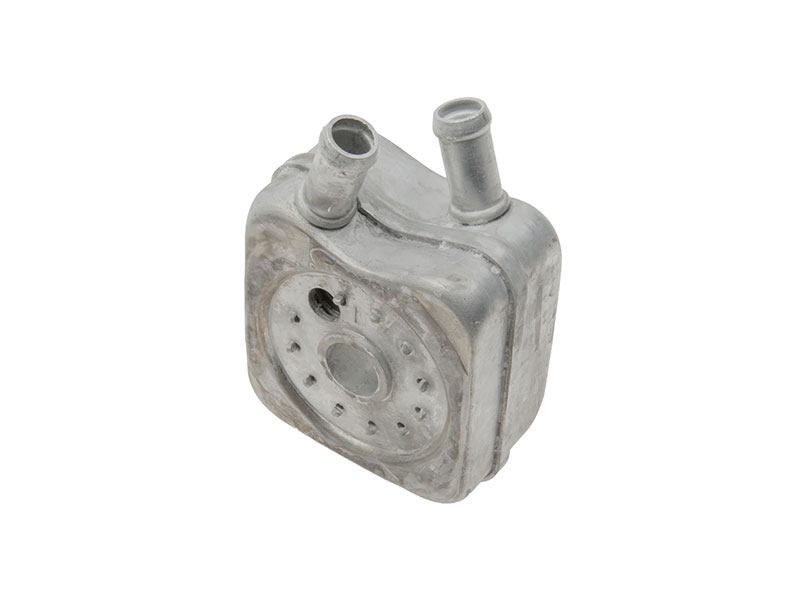


The average cost of a VW Eurovan oil cooler is between $47.99 and $47.99.
What Are The Signs Of A Failing VW Eurovan Oil Cooler?
A lot of folks notice something odd with their VW Eurovan oil cooler when they spot a mix of oil and coolant. You’ll usually see this as a milky buildup in the coolant reservoir, which never looks right. Overheating may show up too, even when you’re not pushing the van hard. If your oil or coolant levels keep dropping for no clear reason, that’s another hint. Sometimes you might catch a whiff of something sweet from the engine bay, or you’ll spot white smoke drifting from the exhaust. All of these signs point to trouble with the VW Eurovan oil cooler—and the sooner you get to the bottom of it, the better your engine’s chances.
How Do You Replace A VW Eurovan Oil Cooler?
First things first, let the engine cool off fully and then pull the battery cable. You don’t want hot coolant or a surprise jolt. Drain the coolant, clear out any pieces in your way—this usually means the air filter has to come off. Slip the hoses off the old cooler and watch for leftover fluid that may spill. Break the old unit free from its fasteners and slide it out. Clean up the spot before you fit the new VW Eurovan oil cooler in place. Connect the hoses, bolt it down, and pour fresh coolant back into the system. Fire up the engine and watch for leaks or strange sounds. If anything isn’t tight, you’ll notice right away.
Can A VW Eurovan Oil Cooler Be Repaired Instead Of Replaced?
Sometimes, you can patch a VW Eurovan oil cooler if the problem isn’t too deep—think a leaky gasket or worn-out seal. Swapping out O-rings or tightening things back up might buy you some time. But, if the leak runs inside the cooler, oil and coolant can mix, and that’s a big issue. Most shops will say a replacement works best for this, since repairs on a weakened cooler don’t last long. If you’re trying to save a buck, have a mechanic check how far gone it is. Still, new parts tend to last the longest and give you fewer headaches.
What Maintenance Is Needed For A VW Eurovan Oil Cooler?
Every so often, take a look around your VW Eurovan oil cooler for leaks, rust, or gunk near the hoses. Flushing your cooling system on schedule keeps out scale and clogs. Watch the oil and coolant levels—if they drop out of the blue, check your cooler. Swapping old hoses for fresh ones is a big help, too, since cracked rubber puts more stress on cooler joints. Staying ahead on these basics helps your VW Eurovan oil cooler last much longer.
What Causes A VW Eurovan Oil Cooler To Fail?
Heat and age are the main culprits for a busted VW Eurovan oil cooler. Rust can build up after years on the road, especially if you’ve skipped a few coolant changes. Over-tightened or brittle hoses stress out joints, turning hairline cracks into full-on leaks. Using the wrong coolant by accident speeds up corrosion inside the cooler, attacking the metal from within. Most of the time, keeping up with fluid changes and using the right parts is the easiest way to keep problems in check.
Why Shop For Your VW Eurovan Oil Cooler With Us?
Shop with us and you get more than just a VW Eurovan oil cooler, you get peace of mind. Our parts ship quick, the prices are low, and returns are hassle-free if something doesn’t fit your needs. That means less downtime, less waiting, and more time on the road. With us, you’re not just saving money—you’re making sure your van stays running right, without the hassle.