

VW Eurovan Timing Chain Tensioner Parts
Showing 4 out of 4 part(s) found in our catalog.
Brand
Keyword
Subcategory
Mon-Fri 8-4 MST/PST (Arizona Time)



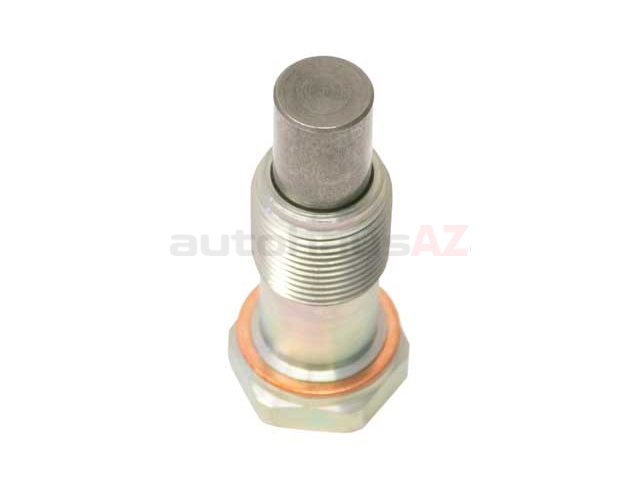
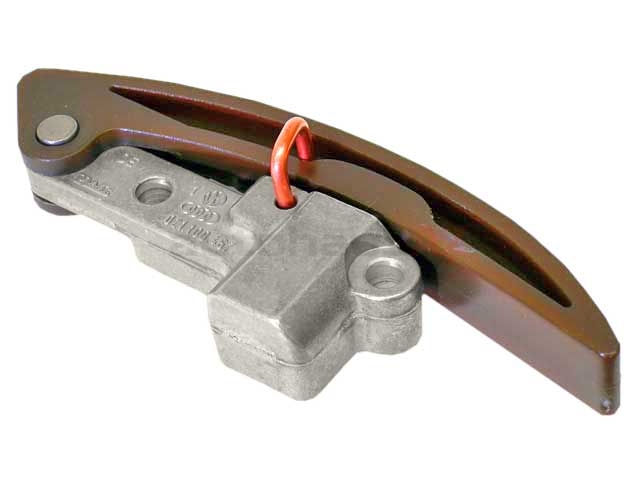
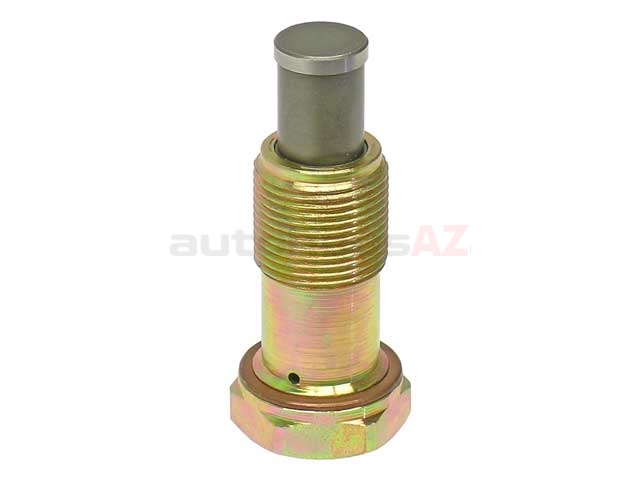
Based on industry averages you can expect to pay between $2.99 and $63.99 for a VW Eurovan timing chain tensioner.
How Do I Know If My VW Eurovan Timing Chain Tensioner Is Failing?
You might hear a dry rattling from your engine, especially when you first start up or if you’re idling at a stoplight. It can fade as the engine warms up, but it’s hard to ignore once you notice it. Sometimes, the check engine light flicks on, or you feel a loss of power while driving. Wait too long, and it’s possible the chain could jump, causing much bigger issues—think mistimed valves, which leads to engine trouble that’s costly and time-consuming. Keeping up with oil changes is more important than most folks think, since dirty or low oil is often a big reason tensioners go bad. If these warnings sound familiar, have a technician take a look sooner rather than later.
How Long Does The VW Eurovan Timing Chain Tensioner Last?
Tensioners don’t have a set expiration date, but most drivers get close to 100,000 miles before real problems show up. Of course, if oil gets neglected or cheap oil finds its way in, some people run into trouble much earlier. Higher-mileage vans that haven’t seen steady service can develop issues without much warning. Peek under the hood if you’re driving something older or picked up a Eurovan with an unknown past—sometimes just listening for odd engine sounds after higher mileage can let you catch a tensioner on its way out. Early attention saves a lot of hassle down the line.
What Causes The VW Eurovan Timing Chain Tensioner To Fail?
Most tensioner failures can be traced to dirty or low oil, but worn-out seals, simple aging, or sometimes even unlucky manufacturing defects play a role. Skipping oil changes—especially if sludge builds up or you use the wrong oil—wears these parts down faster. Some model years had design flaws that make certain tensioners give out sooner, so it’s worth checking into if your Eurovan falls in that range. Regular oil changes and the right oil help keep things running right, giving your tensioner a fighting chance at a long life.
Should I Replace Both Timing Chains When Changing The Tensioner?
It’s not always required, but it’s worth serious thought. Many shops suggest swapping the chains, guides, and tensioner all at once if your van has seen a lot of miles. This route helps avoid paying for labor twice and means you likely won’t be back facing the same problem later. If the guides are worn or the chains have stretched, replacing everything can be worth the peace of mind. Ask your mechanic to check for visible wear; if things look tired, doing it all at once is usually the best call.
Can I Drive With A Bad VW Eurovan Timing Chain Tensioner?
Driving around with a bad tensioner invites trouble. That loose chain can slip, break, or knock your valves out of time—sometimes leaving you stranded, sometimes leading to engine damage that costs way more than a simple fix. If you catch a rattle, see the check engine light, or anything feels off, best to park it and get it looked at. A quick repair saves a much bigger headache.
Where Can You Find Affordable VW Eurovan Timing Chain Tensioners?
AutohausAZ is a popular spot if you want to keep costs down when buying VW Eurovan timing chain tensioners. Their prices tend to run lower than most, and shipping is pretty quick. If something’s wrong with your order, their returns are hassle-free—so you don’t have to stress about getting the right fit. With reliable service and budget-friendly parts, it’s easy to keep your van running without breaking the bank.