

VW Golf Coolant Hose Parts
Showing 20 out of 121 part(s) found in our catalog.
Brand
Keyword
Category
Select category below to view parts.
Mon-Fri 8-4 MST/PST (Arizona Time)



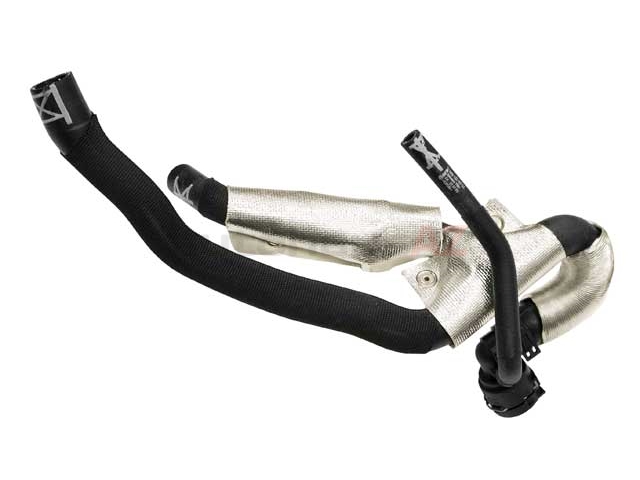
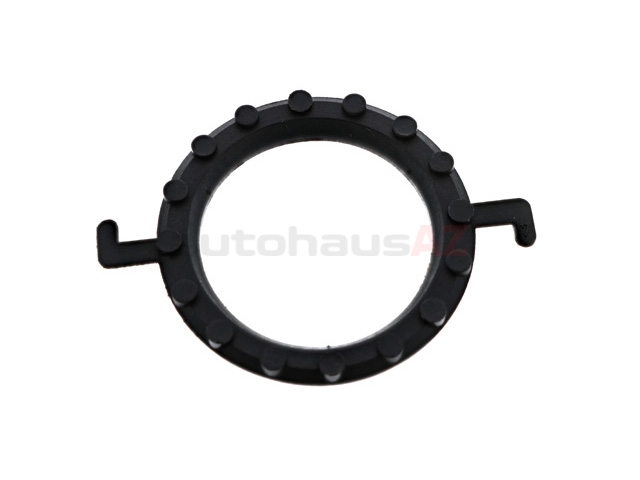
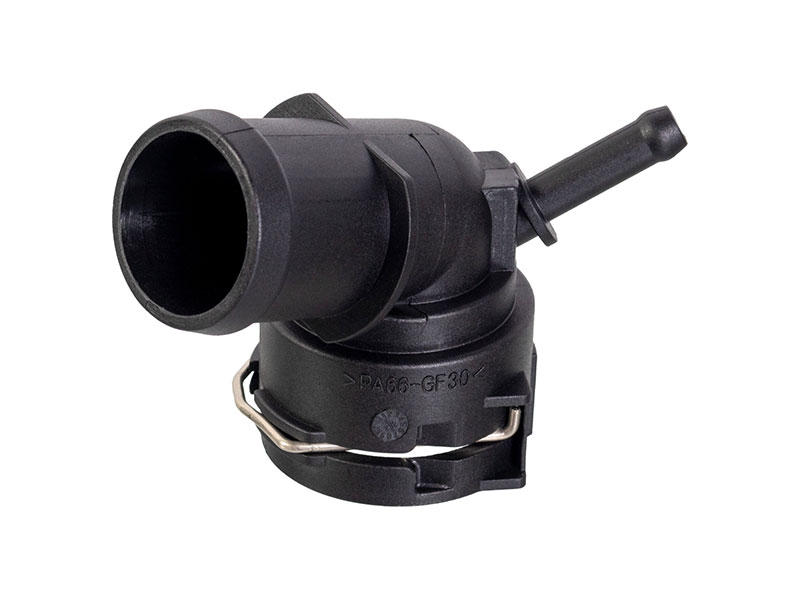
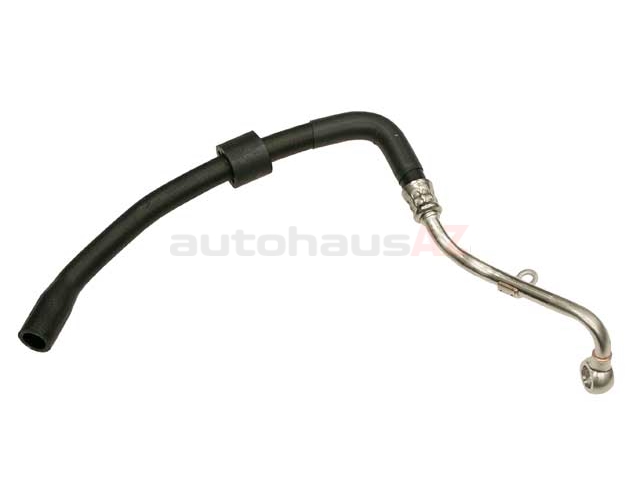
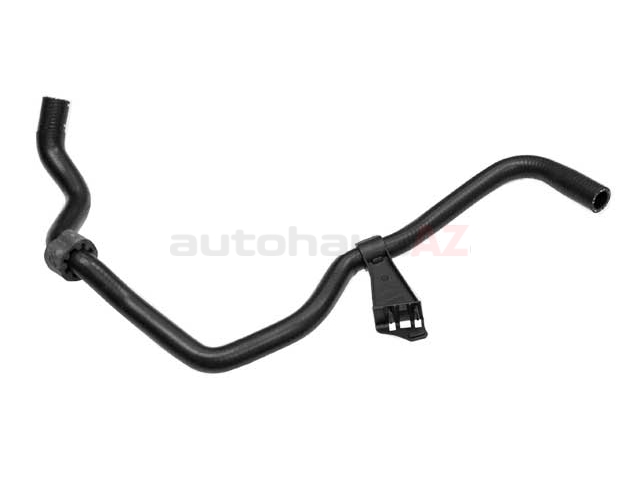
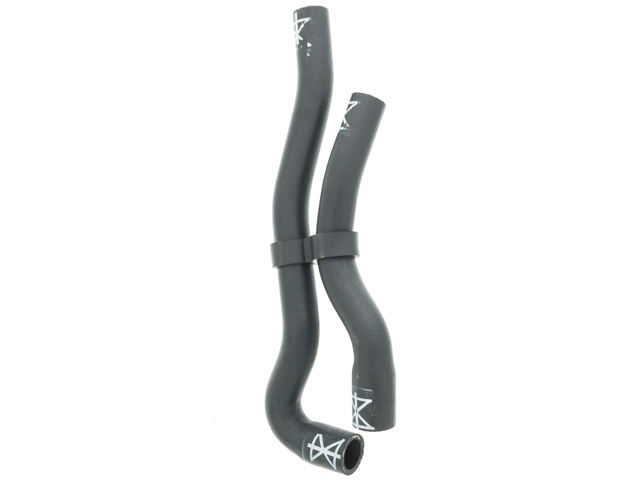

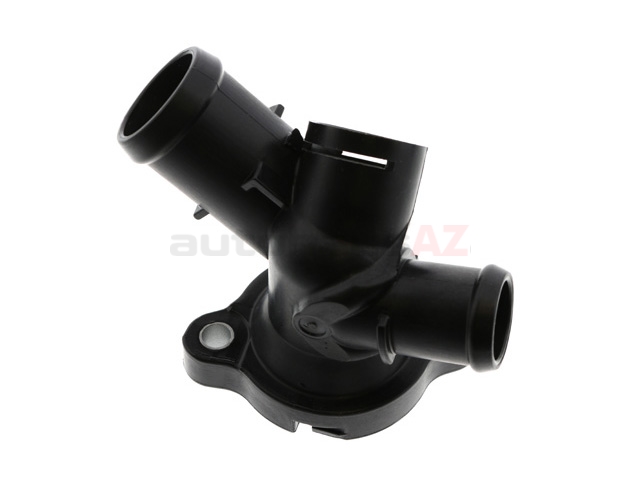

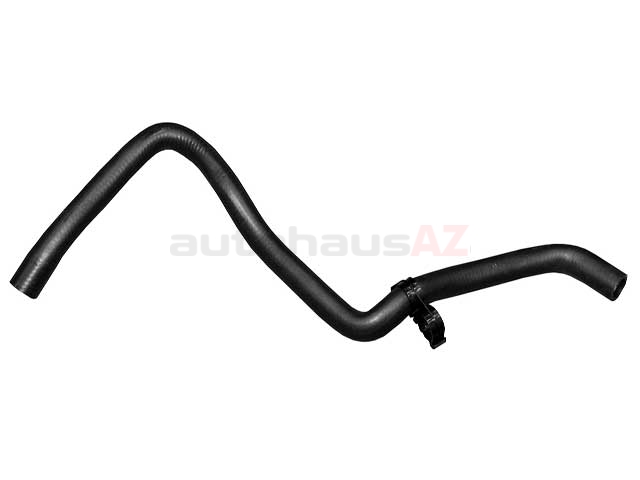
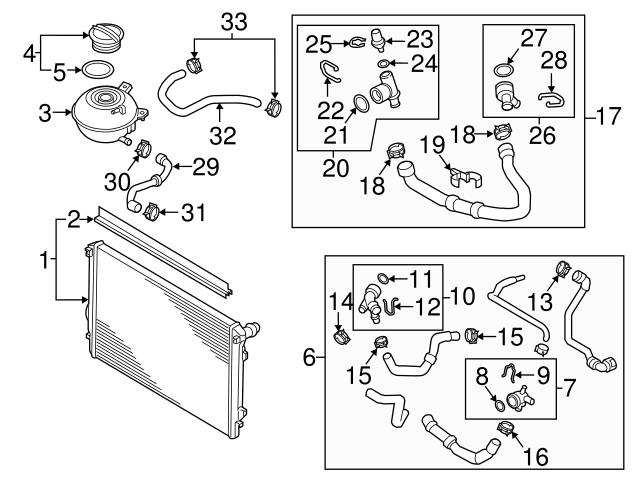
The average cost of a VW Golf coolant hose is between $0.99 and $272.99.
How Do I Know If My VW Golf Coolant Hose Needs Replacing?
You might notice a puddle under your car or streaks on the hose. Sometimes, coolant smells sweet and lingers after parking. If you run your hand along the hose and it feels mushy, cracked, or rough, that’s a warning sign. Some hoses bulge in spots or get thin as they wear down. An unexplained drop in coolant is a red flag, too. Watch for steam or a creeping temp gauge—both can point to a cooling system issue. Even something as subtle as a dry, chalky patch on the hose can mean trouble. Early repairs mean less headache later, so check your hoses when you top up fluids or service the car.
Which Coolant Hose Is Most Likely To Fail On A VW Golf?
The lower radiator VW Golf coolant hose often gives out first. Tucked near the bottom of the engine, it faces hot air and collects more grime. Constant flexing and splashes from the road chip away at its strength. Over time, this hose can grow soft, develop weak spots, or even spring leaks. Sediment builds up inside, wearing down the rubber from the inside out. The upper hose gets hot, too, but the lower takes more abuse. Routine checks can catch weak hoses before they split open.
What Coolant Hose Material Is Best For A VW Golf?
Reinforced EPDM rubber stands up best to steady heat and everyday driving. OEM hoses use this tough rubber mix to fight fading, swelling, and chemical wear. Some folks try silicone hoses, especially if they’re after a sportier look or more heat resistance. These can outlast rubber in some settings but don’t always fit as well as the original part. Most drivers stick to what VW chose at the factory. Measure or match your old hose before ordering so you’re not left with a part that won’t fit.
Can I Replace A VW Golf Coolant Hose Myself?
Plenty of car owners handle this job at home with a few hand tools. You’ll drain the coolant, swap the old hose for a new one, tighten the clamps, and refill the reservoir. Let the engine cool first to avoid hot coolant spilling over your hands. It’s smart to clamp hoses tight but not so much that you pinch or crush them. Double-check for leaks after running the car a few minutes. If something feels stuck, or you’re unsure about fitting, a mechanic can finish up in no time.
What Coolant Hose Clamp Type Is Suggested For A VW Golf?
Spring clamps often work best—they grip well and flex as the engine heats and cools. These are the choice for most VW models because they keep a steady seal without loosening up. If you use screw-type clamps, go easy so you don’t cut into the new hose. Stick to the style that came with your car for a tight fit and fewer leaks. Swapping out both clamp and hose together saves you an extra trip under the hood later on.
Looking For The Best Deal On A VW Golf Coolant Hose?
Our prices make keeping your VW Golf in top shape simple. No maze of confusing options or markups—just fair prices and quick shipping, so you can get back behind the wheel. If something doesn’t fit or feels off, our hassle-free returns make things right fast. Trust that you’ll find the right hose here, every time you need one.