
VW Jetta Mass Air Flow Sensor Parts
Showing 20 out of 20 part(s) found in our catalog.
Brand
Keyword
Subcategory
Mon-Fri 8-4 MST/PST (Arizona Time)

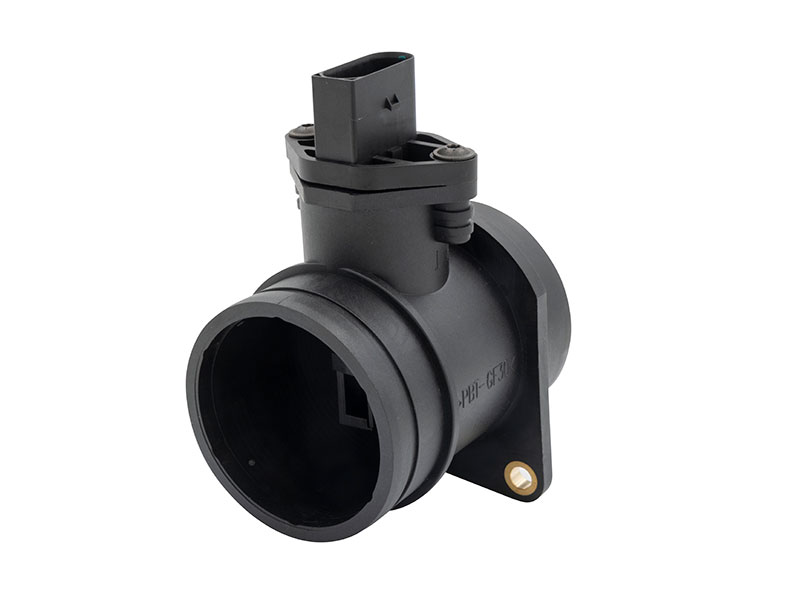



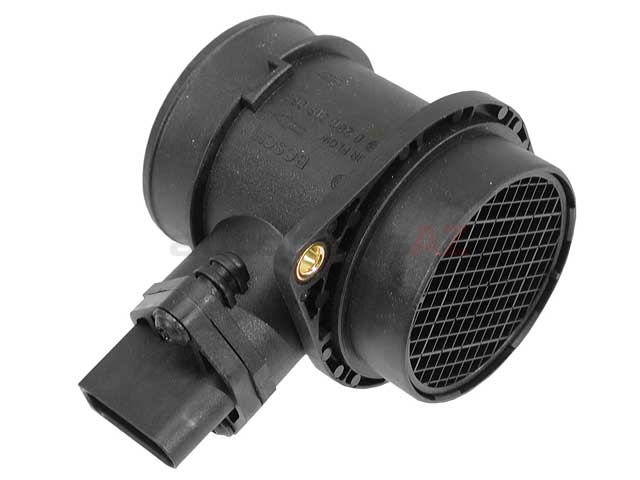
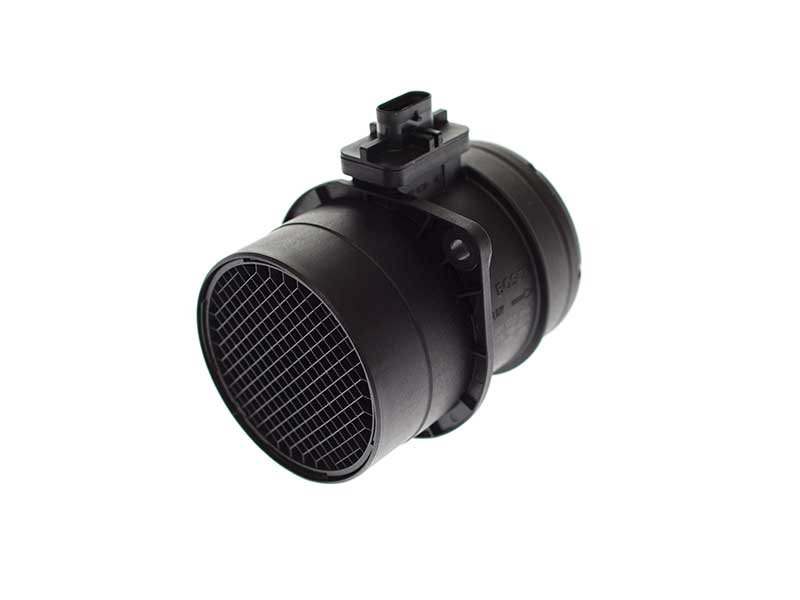
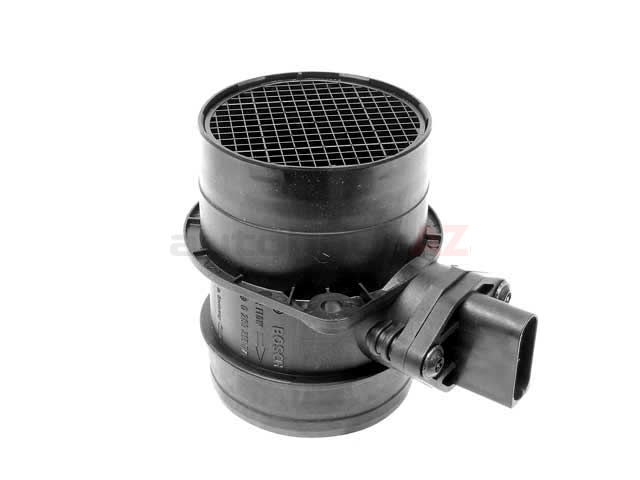

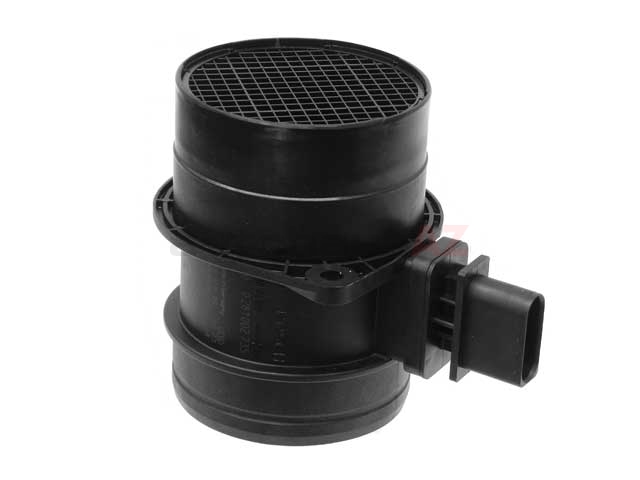
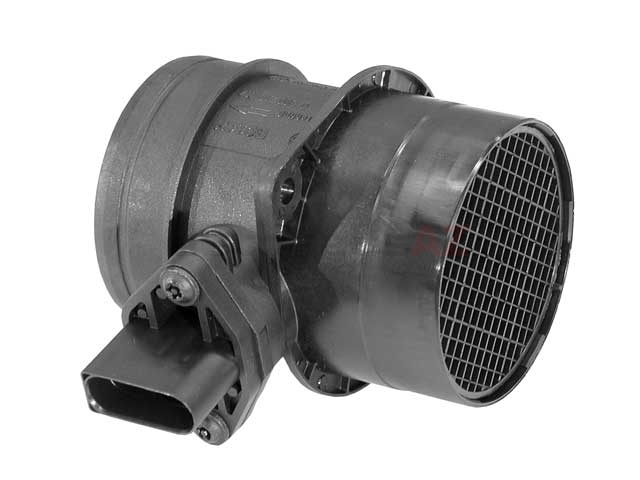
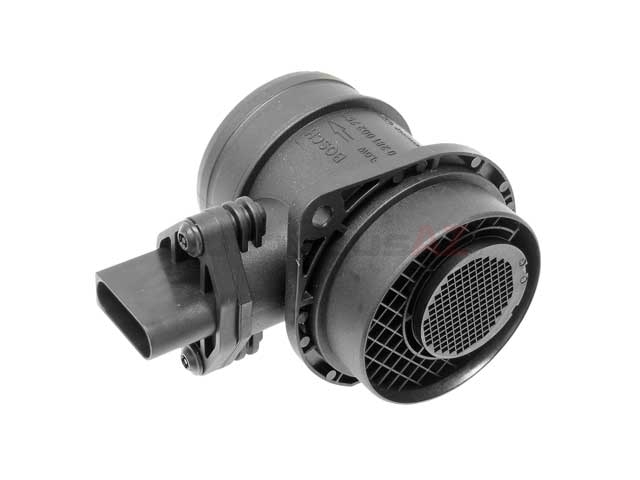
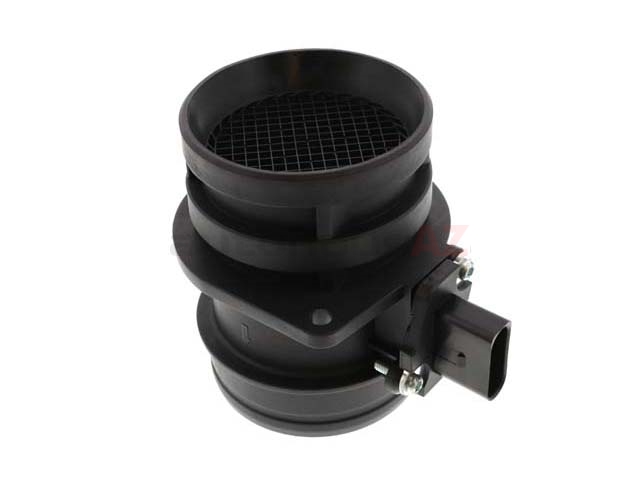

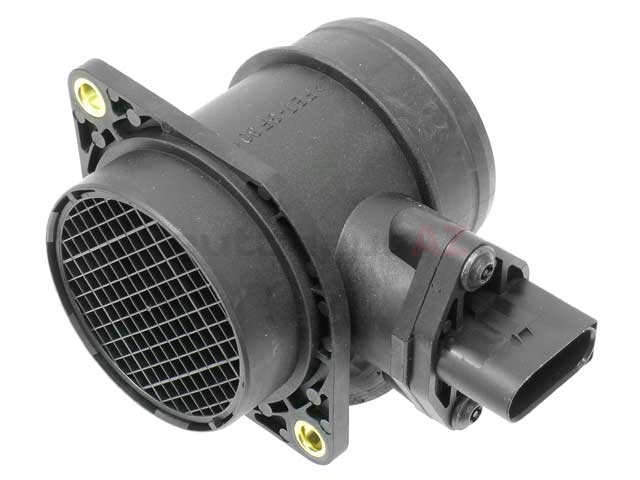
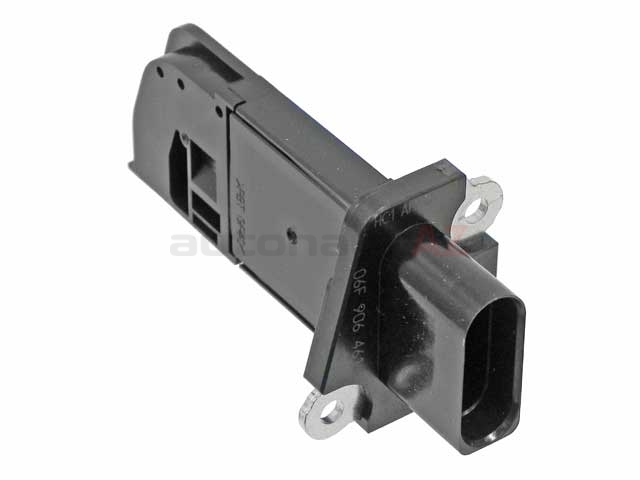
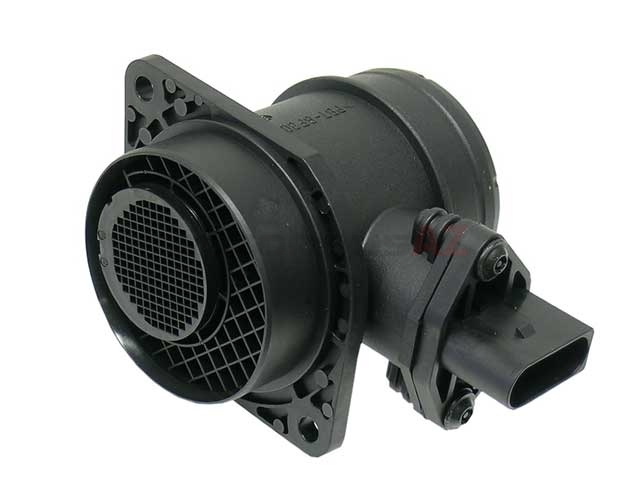
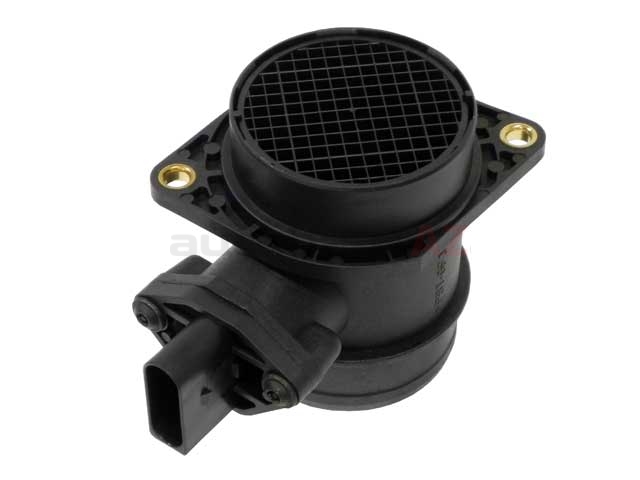
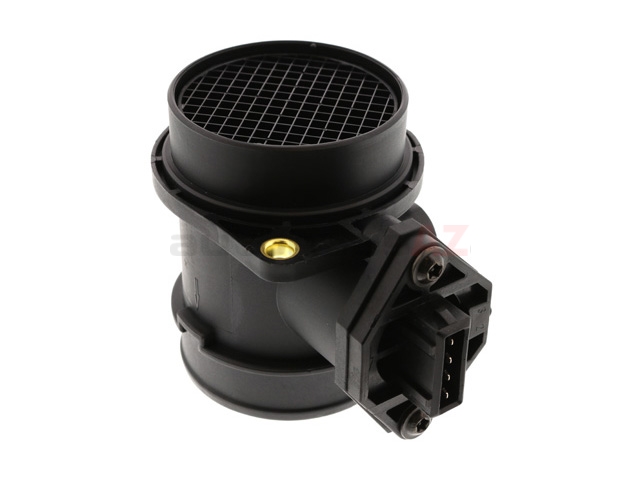
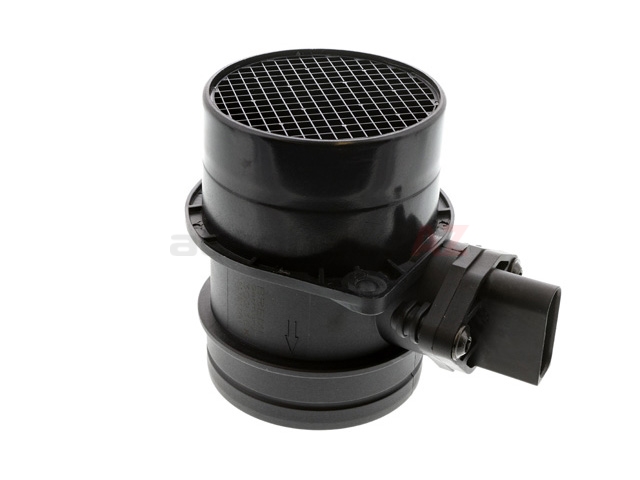
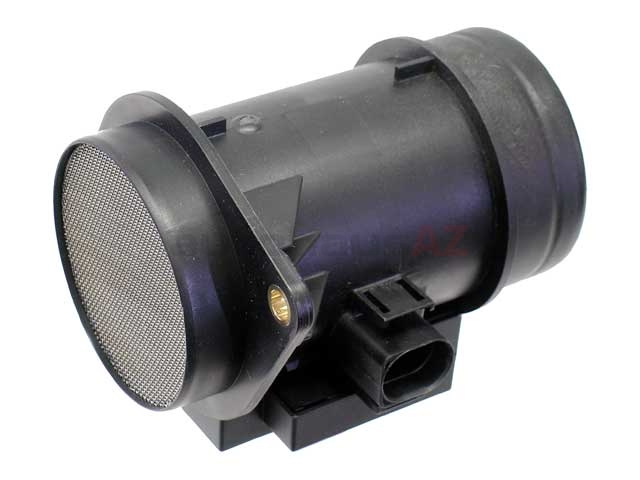
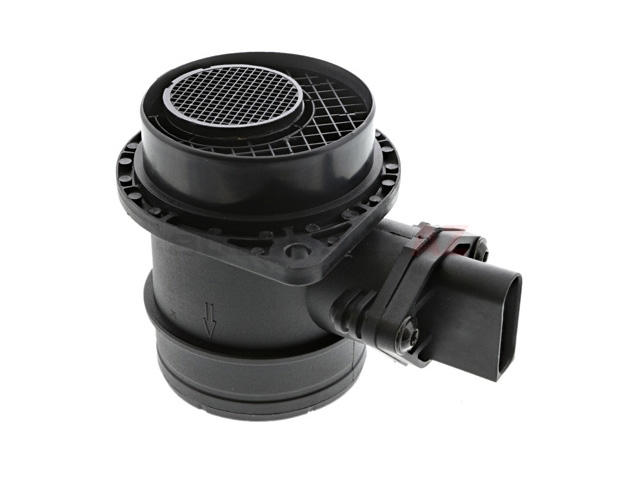
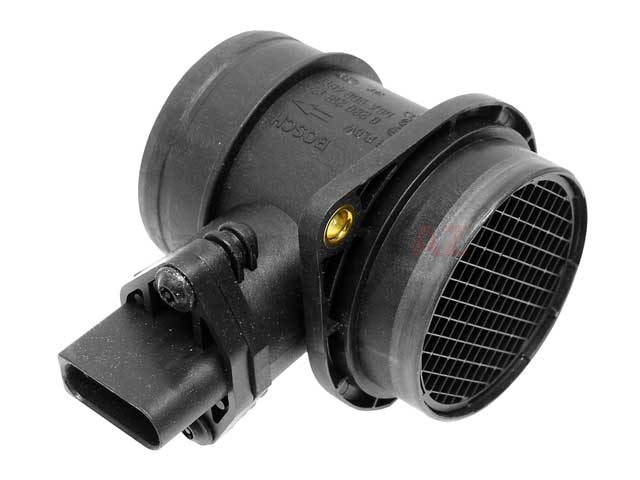
VW Jetta mass air flow sensor typically cost between $26.99 and $453.99.
What Are Common Symptoms Of A Failing VW Jetta Mass Air Flow Sensor?
Drivers notice different things when the VW Jetta mass air flow sensor fails. One day your car might idle rough. The next, you press the gas and the power just isn’t there. Acceleration feels slow, almost hesitant. Sometimes the car struggles to start or even stalls out at a light. A "check engine" light could show up, casting a dim glow on the dash for weeks. You might see more smoke than usual coming from the exhaust, or find yourself filling up at the gas station more often. Some days, the engine coughs or misfires, especially when cruising at a steady speed. If your Jetta starts showing any mix of these signs, it’s smart to take a closer look at the mass air flow sensor.
How Do I Clean The VW Jetta Mass Air Flow Sensor?
Cleaning the VW Jetta mass air flow sensor takes a steady hand. First, disconnect the car battery. Find the sensor between the air box and the intake pipe. With the right screwdriver, loosen the screws and carefully pull the sensor out—avoid dropping it. Grab a can of mass air flow sensor cleaner, spray the thin wires or grids inside, and get rid of any visible dust or grime. Don’t poke around with your fingers or a brush. Let the piece dry all the way before putting it back in. Once you reinstall it and hook up the battery, start the car. If the engine’s running smoother, you know you took care of business. Routine cleaning keeps the mass air flow sensor happier for longer.
Can I Drive My Jetta With A Bad Mass Air Flow Sensor?
You can drive a Jetta with a bad mass air flow sensor, but you probably won’t enjoy how it feels. The engine fights to stay smooth, and your miles per gallon start to slip. Keep rolling long enough and you risk more damage: spark plugs might foul, and the catalytic converter could clog or overheat. If something feels off and the dashboard light is on, it’s better to stop, figure out the cause, and fix it. Swapping out or repairing the VW Jetta mass air flow sensor brings things back to normal, giving your engine a fair shot at running right.
How Can I Tell If The Mass Air Flow Sensor Is Causing My Engine Problems?
When your Jetta acts up, you want answers. Start simple: scan for engine codes if the warning light is on. No scanner? With the engine running, carefully unplug the mass air flow sensor. If the engine changes tone or behavior—maybe a rough stumble or a smoother idle—you’re close to the source. Some drivers test with a voltmeter or diagnostic tool, paying attention to data from the sensor. Visible buildup or a broken wire tip you off as well. If the issues clear up after cleaning or swapping the sensor, you found your culprit.
What Causes A VW Jetta Mass Air Flow Sensor To Fail?
A VW Jetta mass air flow sensor takes a beating over time. Dirt or oil bypassing the air filter lines the sensor’s sensitive guts. Cheap or old filters let in more dust. Moisture collects from humid air or quick temperature drops, inviting corrosion. Under the hood, heat cooks plastic connectors and wire housings. Rough roads shake the sensor loose over the years, sometimes breaking a connection. If you want to make it last, keep up with filter changes, stay clean when working around it, and double-check electrical plugs for wear.
Looking For An Affordable VW Jetta Mass Air Flow Sensor?
At AutohausAZ, you’ll find VW Jetta mass air flow sensor options that fit your budget. You won’t have to sift through endless listings—our prices make sense. Fast shipping gets upgrades to your driveway sooner. If the part’s not right, returns are easy. Get the right fit and keep your Jetta running strong—without wasting time or money.