
VW Passat Brake Hose Parts
Showing 3 out of 3 part(s) found in our catalog.
Brand
Keyword
Category
Select category below to view parts.
Mon-Fri 8-4 MST/PST (Arizona Time)

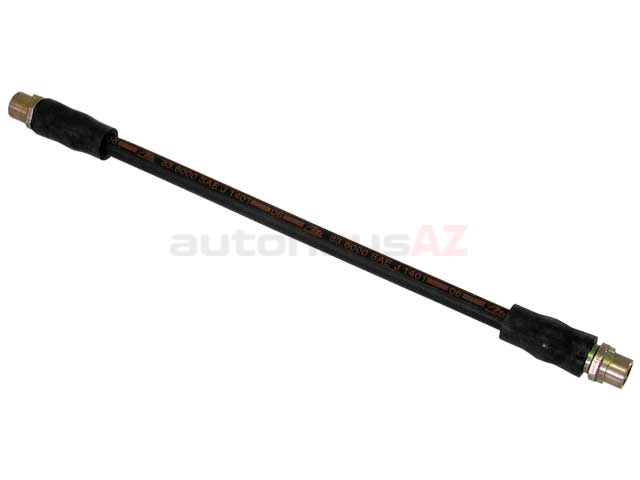


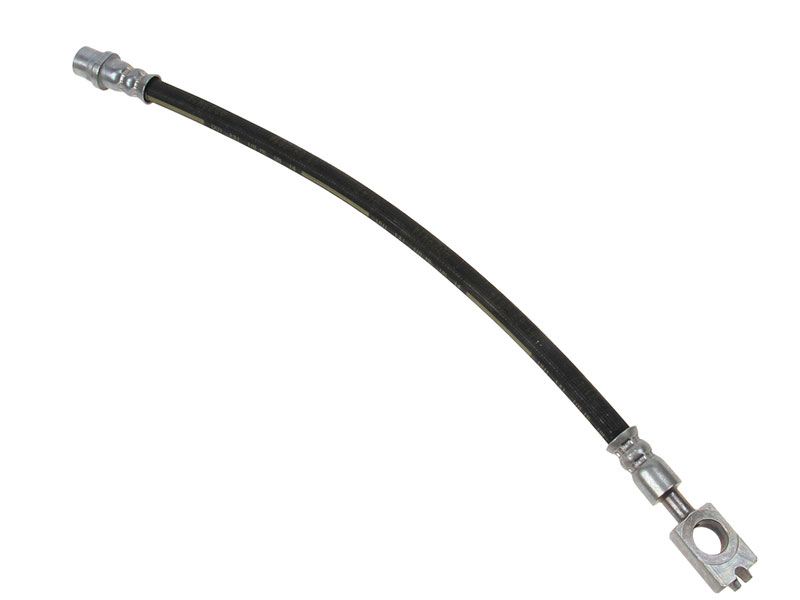
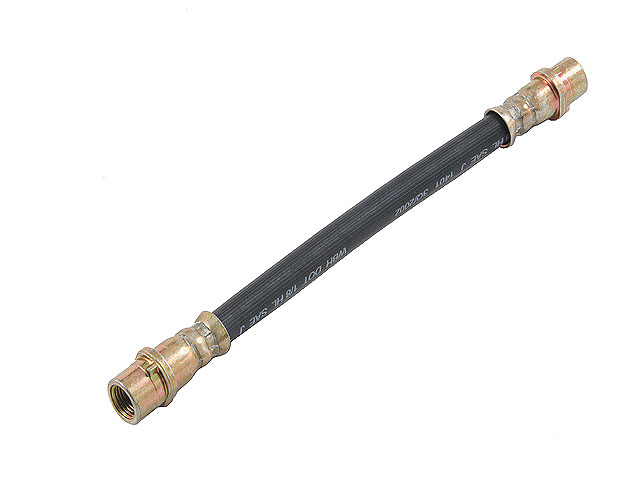
VW Passat brake hose typically cost between $8.79 and $12.49.
How Can I Tell If My VW Passat Brake Hose Needs Replacing?
It’s often subtle at first—a slowing response, maybe a spongy, unpredictable feel at the pedal. You press, and the brakes seem lazy. You might spot an oily patch near the wheel or notice small cracks on the hose itself. Some people squeeze the hose with their fingers and find a mushy or uneven texture. That’s a problem. A solid brake hose handles serious pressure every single time you stop. If there’s swelling or dried-out spots, or any hint of a leak, it doesn’t just go away. Pay extra attention during oil changes or tire rotations when you can spot issues early. Don’t let worn hoses linger; a safe stop depends on them.
What Are The Typical Lifespan And Maintenance Tips For A VW Passat Brake Hose?
Most VW Passat brake hoses will last somewhere from 60,000 to 100,000 miles, but numbers never tell the whole story. If you drive on salted winter roads, or in wild temperature swings, hoses break down faster. Dirt, rocks, and stray debris speed up the process. Give the undercarriage a good rinse every so often. Mechanics usually check hoses once a year during routine service. If one hose fails, the rest are likely tired too, so changing all at once restores balanced braking. If you spot a bubble, split, or fresh drip—don’t wait on mileage, swap it out. Routine care, simple as it sounds, saves you from bigger repairs and roadside scares.
What Causes A VW Passat Brake Hose To Fail Prematurely?
Most early failures come from what’s outside the car, not inside. Road salt eats away at the rubber, while big temperature shifts make hoses brittle and weak. Sometimes, a simple tug or twist when working on the brakes is enough to create a hidden flaw. Aftermarket hoses of questionable quality don’t hold up like factory ones. Even improper installation can pinch or curl the hose, leading to cracks or leaks before you expect them. To keep them strong, stick with parts that match OEM standards, watch for contact with moving parts, and clear away salt and dirt as often as you can. Small steps, but they go a long way.
Is It Safe To Replace A VW Passat Brake Hose At Home?
If you’re handy with tools, replacing a brake hose isn’t out of reach, but it’s not a job for guesswork. You’ll need strong jack stands, a good set of line wrenches, and patience. The hardest part isn’t getting the old hose out—it’s bleeding the brakes so no air gets trapped. Miss a step, and brakes can fade or fail. Most DIYers take their time and triple-check everything, but if you feel unsure or rushed, calling in a pro is smart. Better to pay for peace of mind than risk brake problems on the road.
What Symptoms Indicate Air Or Leaks In The VW Passat Brake Hose?
Notice your brake pedal goes soft or slowly slips toward the floor? That’s a classic sign of either air in the lines or a leak. Stopping distance gets harder to judge. You might see fresh fluid around the tire, or a low reservoir under the hood. Sometimes, there’s an odd hissing sound after braking. Ignore these warnings and things can go south fast. If you see wet spots or hear noises, don’t drive—fix it right away. A quick inspection often reveals more than you’d expect.
Why Choose AutohausAZ For Your VW Passat Brake Hose?
Shopping for a brake hose shouldn’t be complicated. At AutohausAZ, we keep things straightforward. Our parts cost less than most dealer prices, and you’ll get them shipped out fast. No endless waiting or runaround. If the part isn’t a perfect fit, our return process is quick and hassle-free. Real people answer your questions when you need help. Whether you wrench on your car every weekend or just want to knock out a quick repair, you’ll find what you need. Good parts, real value, and a team ready to help. That’s how we make sure you spend less time worrying and more time back behind the wheel—where you belong.