
VW Passat Brake Master Cylinder Parts
Showing 5 out of 5 part(s) found in our catalog.
Brand
Keyword
Subcategory
Mon-Fri 8-4 MST/PST (Arizona Time)



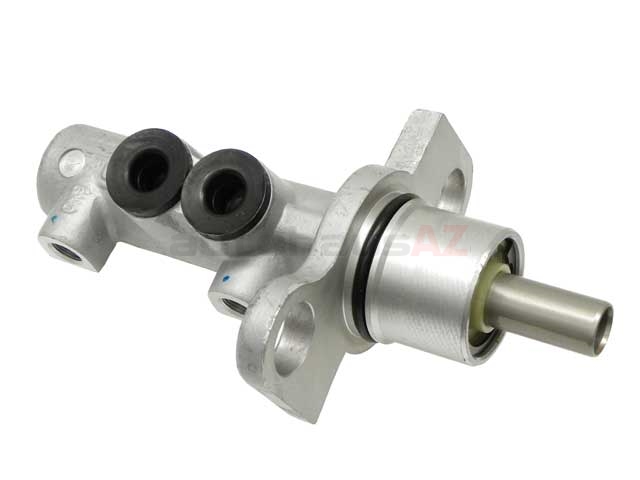
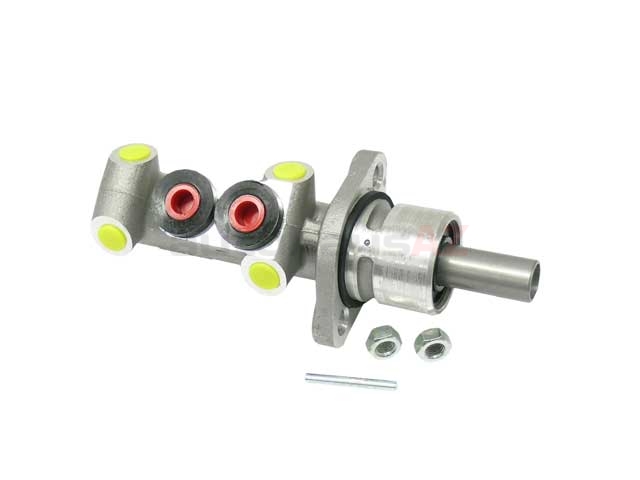
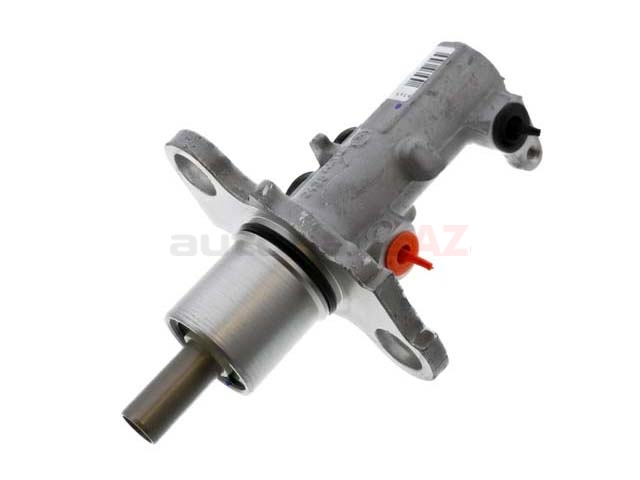

Based on industry averages you can expect to pay between $56.99 and $222.99 for a VW Passat brake master cylinder.
What Are The Common Symptoms Of A Failing VW Passat Brake Master Cylinder?
When the VW Passat brake master cylinder starts to go bad, you might notice the brake pedal feels softer or seems to sink further toward the floor than usual. Some drivers observe that their stopping distance increases, or a warning light pops up on the dashboard. Sometimes, pressing the brakes produces odd noises, or you spot fluid under the car. Leaks inside or outside the cylinder can lower brake fluid pressure, making your brakes less effective. If you notice any of these changes, it’s a good idea to have a professional check your brake system to keep your car safe.
How Do I Check If My VW Passat Brake Master Cylinder Is Leaking?
To check for leaks in the VW Passat brake master cylinder, open the hood and look near the driver’s side firewall, where you’ll see the master cylinder attached to the brake booster. Check the area around the cylinder and its reservoir for dampness or any signs of fluid pooling. Take a close look at the brake lines and their connections for fresh leaks or old stains. Sometimes, leaks are hidden inside, so if your brake fluid keeps dropping or there’s unexplained moisture near the brake pedal inside the car, there’s a chance fluid is leaking where it’s hard to spot. Acting quickly on any leak keeps your brakes working as they should.
How Long Does A VW Passat Brake Master Cylinder Last?
Most VW Passat brake master cylinders last a long time—often more than 100,000 miles—especially if you keep up with scheduled brake fluid changes. Factors like driving habits, climate, and the quality of the brake fluid all play a part in how long it will last. If the rubber seals inside the cylinder get old or start to corrode, you might notice the signs of trouble sooner. Some people never have to replace this part, while others run into issues somewhere between 75,000 and 120,000 miles. Keeping the brake fluid fresh and the system clean can go a long way toward making this crucial part last.
What’s Involved In Replacing A VW Passat Brake Master Cylinder?
Changing out a VW Passat brake master cylinder is a job that’s best done with care. First, you’ll want to disconnect the battery and make sure the car is secure. You’ll need to take out some brake fluid with a turkey baster or siphon, then disconnect the brake lines from the cylinder. After that, remove the mounting bolts and the linkage from the pedal. Swap in the new cylinder, hook up the brake lines again, and fill the system with new brake fluid. Bleeding the brakes is crucial to clear out air and get the pedal feeling solid again. For most pros, the whole process takes about one or two hours.
How Much Does It Cost To Replace A VW Passat Brake Master Cylinder?
Getting a VW Passat brake master cylinder replaced typically costs between $250 and $600, depending on your car’s year and where you have the work done. Parts can range from $100 to $350, while labor usually adds another $120 to $250. Some shops include bleeding the brakes in that price, while others may charge extra, so it’s worth asking upfront. Occasionally, the shop might find other issues like worn brake lines that could change the total. Checking a few repair shops or online sources for quotes can help you find a good deal and make sure the work is done right.
Where Can You Find An Easy VW Passat Brake Master Cylinder Deal?
AutohausAZ makes it simple to pick up a new VW Passat brake master cylinder. You’ll find reasonable prices, fast shipping, and a hassle-free return policy if something’s not right. For a straightforward shopping experience and a fair deal on brake parts for your Passat, they’re a dependable choice.