

VW Passat Coolant Hose Parts
Showing 20 out of 92 part(s) found in our catalog.
Brand
Keyword
Category
Select category below to view parts.
Mon-Fri 8-4 MST/PST (Arizona Time)



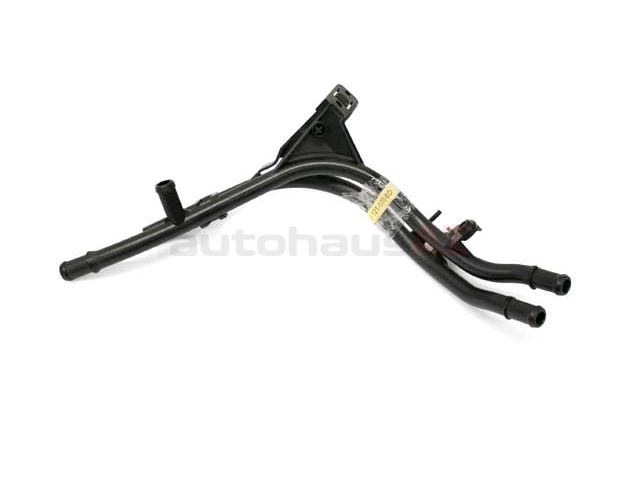
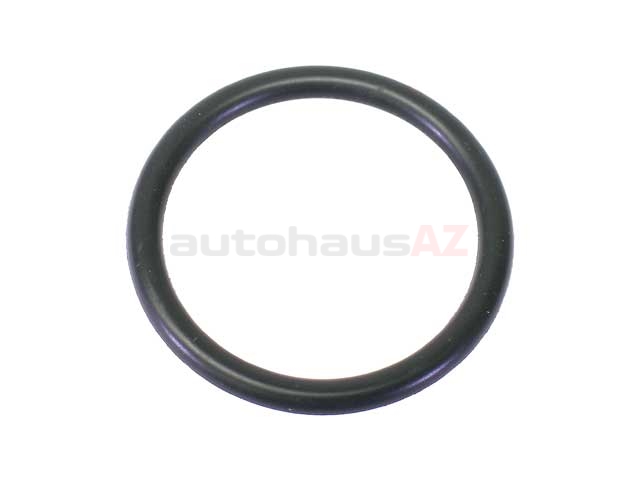
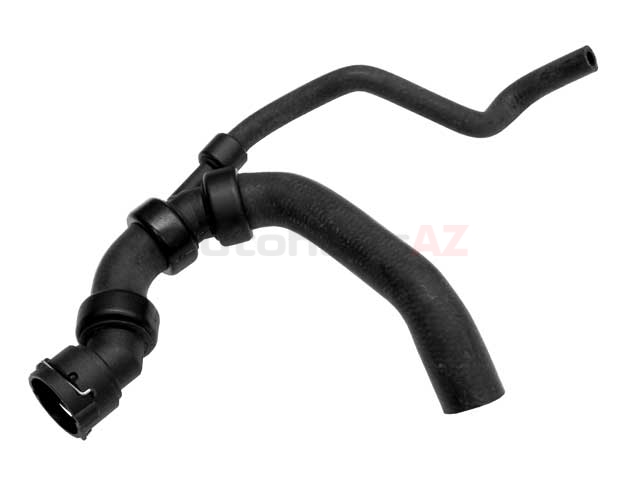
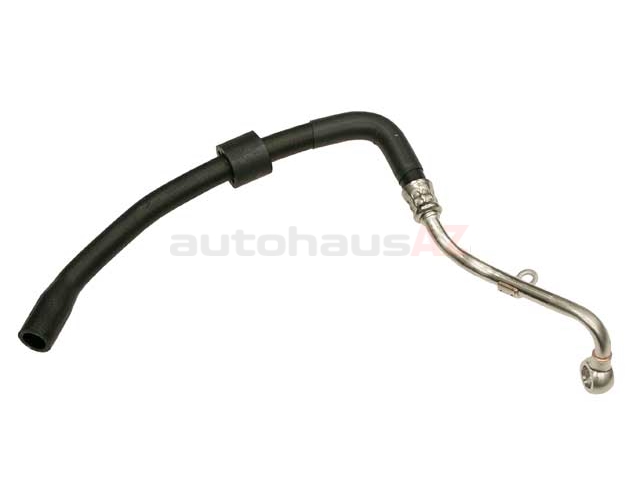
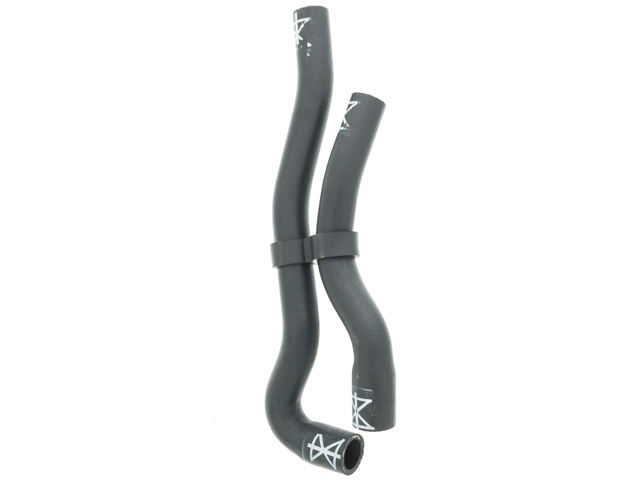
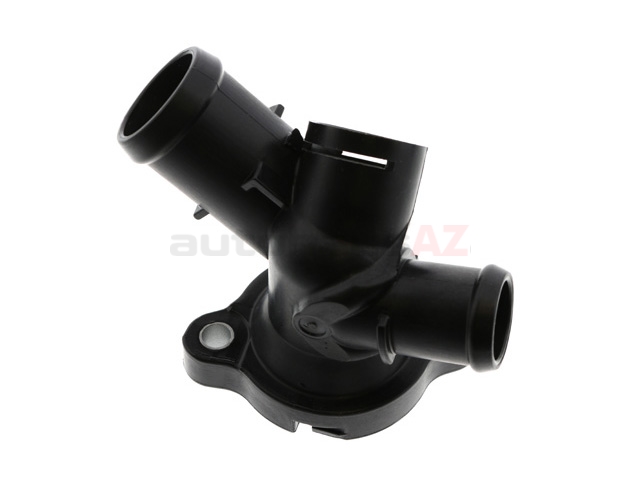
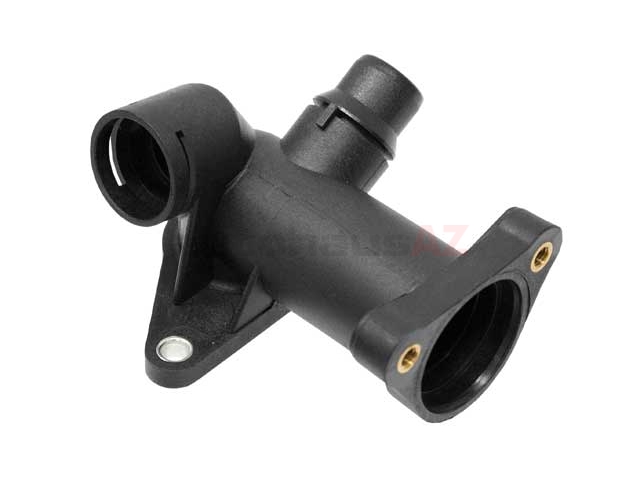
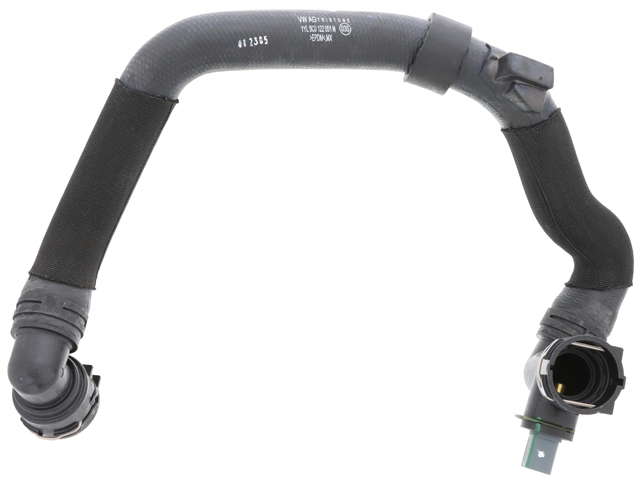
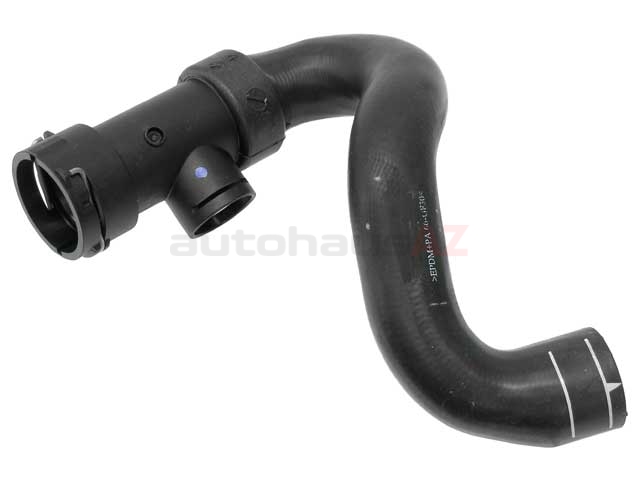
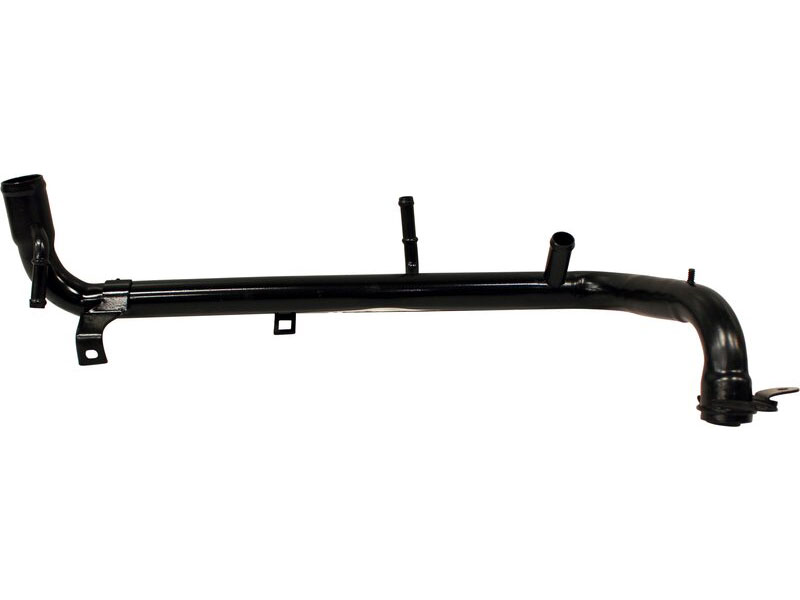

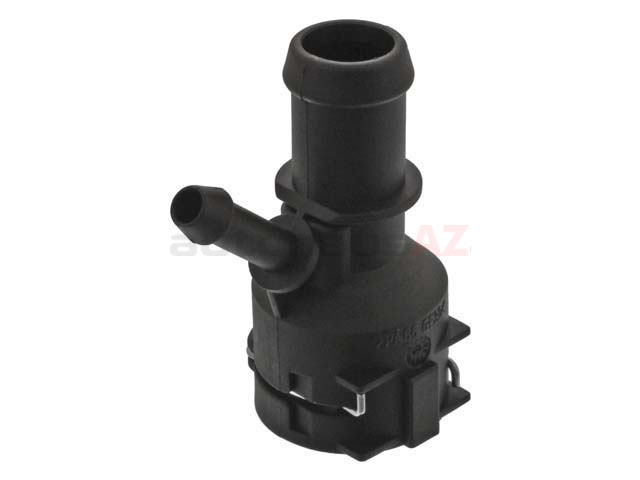
The average price of a VW Passat coolant hose is between $0.99 and $103.99.
How Do I Find The Right VW Passat Coolant Hose For My Model Year?
Finding the correct VW Passat coolant hose isn’t always a quick task. VW changed designs through the years, so details make a big difference. First, jot down your model year, trim, and engine code. The owner’s manual is a solid place to start, though sometimes it skips hose part numbers. If you’re not sure, a quick VIN search online can clear up confusion. Heading to a parts shop? Bring the old hose—seeing and feeling the curves makes it easier to match. Check that the hose fits your engine, not just your car’s year. Wrong hoses often twist the wrong way or have fittings that don’t line up. Packages should list exact model coverage—match them line for line. Reading reviews online can help too. If someone with the same year and motor says it fit, that’s a good sign.
What Are Common Signs Of A Bad VW Passat Coolant Hose?
A failing VW Passat coolant hose gets your attention with more than one signal. You might see a small puddle building on your driveway, usually pink or orange. Sometimes it’s a sticky film around the ends of the hose or a quick whiff of something sweet when you open the hood. Push on the hose—if it feels mushy, or you feel a bulge, it’s time to swap it out. Splits and cracks show up from heat and age. The car’s temp gauge going hotter than normal is a classic warning too. Don’t shrug off those signs or you risk a roadside breakdown.
How Difficult Is It To Replace A VW Passat Coolant Hose At Home?
If you have basic sockets and pliers, replacing a VW Passat coolant hose is within reach. Patience goes a long way. Start when the engine’s cold—popping the cap too soon can spray hot coolant everywhere. Old hoses sometimes hold tight, so tug with care. Wiggle, don’t yank. New hoses slip on easier with a touch of coolant on the inside edge. Tighten the clamps, but don’t overdo it. The trickiest part is bleeding out any air pockets once you’re done. Take your time during refill, squeeze the upper hose, and keep a close eye on leaks. Jobs like these can eat up half a Saturday, but they rarely need special tools.
Which Coolant Is Best For A VW Passat Coolant Hose Swap?
Stick to VW’s G12 or newer formulas when adding coolant after a VW Passat coolant hose change. The factory’s pink or purple coolants protect the engine from rust and scale. Mixing in cheap green stuff is asking for trouble. It clumps up in VW systems and cuts cooling power. Most people flush the system when swapping hoses anyway—it’s a good chance to start with fresh fluid. Dealerships and some parts shops keep the right stuff in stock. Always check your manual or ask a trusted shop and don’t cross-mix different types just because “it looks close enough.”
What Causes VW Passat Coolant Hoses To Fail Early?
A VW Passat coolant hose might not last as long as expected for a few reasons. Old or low-quality coolant eats at the rubber from inside. High temps stress the hoses—if the engine overheats, expect future leaks. Cheap replacement hoses often feel too soft or thin, and might not handle a full summer’s drive. Loose clamps leave just enough gap for leaks to get started. Ignore these, and hoses start softening and splitting. Routine checks and sticking to decent brands help push replacement farther down the road.
Where Can You Find Affordable VW Passat Coolant Hoses With Fast Shipping?
AutohausAZ makes finding your VW Passat coolant hose less of a chore. The selection runs deep, prices stay fair, and shipping usually moves quick. Returns? If you end up with the wrong part, the process is hassle-free. There’s peace of mind when the box lands and you see the hose matches in length and shape. They keep it simple, so your car spends less time out of commission.