
VW Rabbit Brake Hose Parts
Showing 4 out of 4 part(s) found in our catalog.
Brand
Keyword
Category
Select category below to view parts.
Mon-Fri 8-4 MST/PST (Arizona Time)

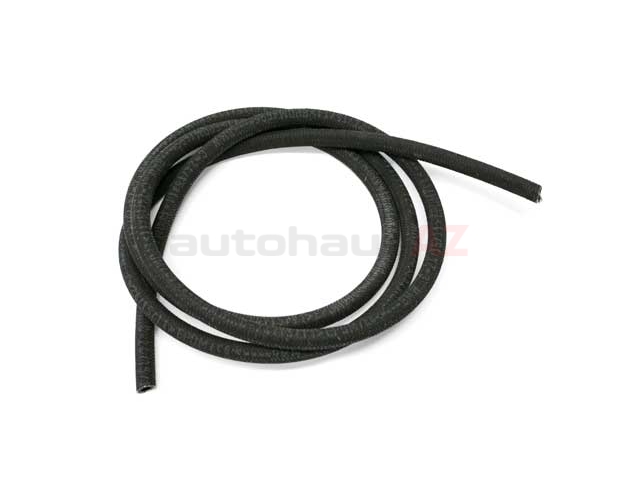


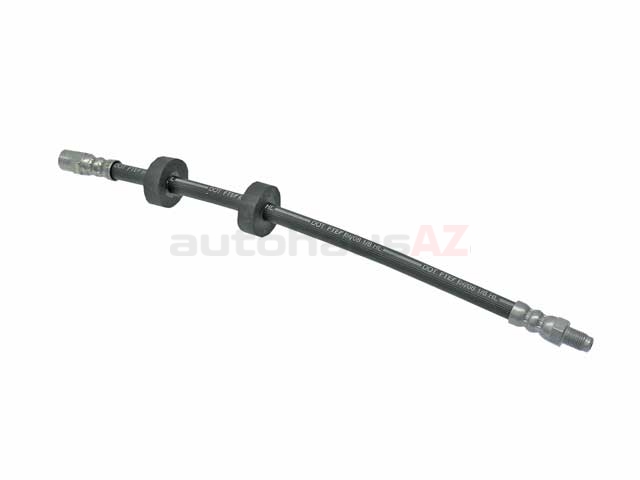
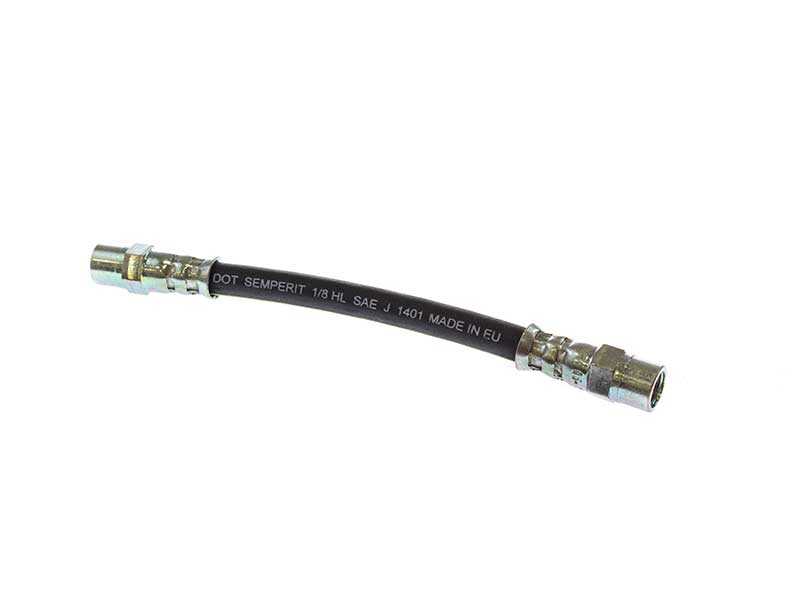
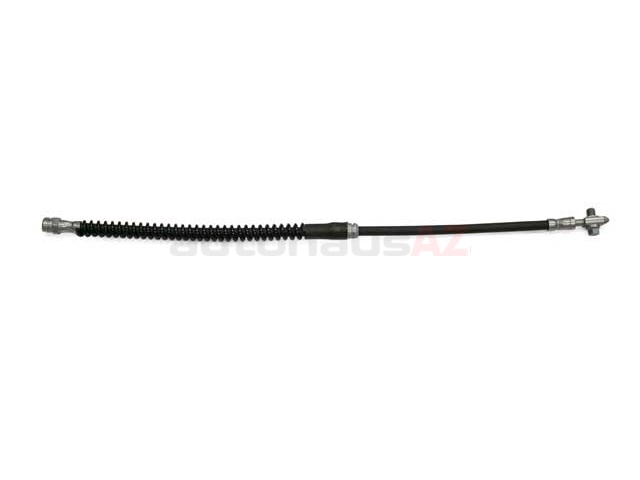
The average cost of a VW Rabbit brake hose is between $6.29 and $26.99.
What Size Brake Hose Does A VW Rabbit Use?
The VW Rabbit brake hose size can change a bit depending on your model year, so you’ll want to double-check before you order new ones. For most late-70s to early-80s Rabbits, the front hoses tend to run about 15 inches long and take standard metric fittings, usually M10x1.0. Some Rabbits may have a different setup, especially if you have a U.S. model or one of the rarer trims, so always compare with your current hoses. Measure both length and fitting size—if you guess, you can end up with leaks or fittings that just won’t seat. Double-check your repair manual or look up the VIN to be sure. Be mindful whether you’ve got drum or disc brakes in the back, since this can affect which hose you need. The best bet is to bring the hose you’re replacing with you, if you’re shopping in person.
How Do You Bleed The VW Rabbit Brake Hose After Replacement?
If you’re swapping a VW Rabbit brake hose, you’ll need to bleed air from the system or your pedal will feel mushy. Start bleeding at the wheel that’s farthest from the master cylinder—most likely the right rear. Go in order toward the closest (right rear, left rear, right front, left front). Keep an eye on the fluid level in the reservoir the whole time. Pump the brake pedal a few times, then hold it down while you open the bleeder valve, and let out bubbles and fluid. If you have clear hose for the bleeder, it makes it easier to see when the air is out and clean fluid comes through. You might get by with bleeding only the new hose, but it’s smart to bleed each wheel so you’re sure the job is done right. Get a friend to work the pedal while you handle the bleeder—it’s faster and prevents backflow.
What Are Symptoms Of A Bad VW Rabbit Brake Hose?
When a VW Rabbit brake hose fails, you’ll notice the pedal goes soft or sinks slowly under your foot. Sometimes the car will pull to one side when braking, or the brakes feel uneven from front to back. Bad hoses may leak brake fluid, which you’ll spot as wet spots near the hose or around the wheels. Cracks, bubbles, or bulges in the hose are classic signs that you need a replacement. In serious cases, you could lose almost all pressure and your brakes won’t work at all. If you spot any of these signs, swap that hose before it causes bigger trouble. Neglecting it could lead to more expensive repairs, or worse—poor stopping power in an emergency.
How Tight Should The VW Rabbit Brake Hose Be?
Thread your VW Rabbit brake hose into place by hand first, then finish the job with a wrench. The goal is to make sure it’s tight enough that it won’t leak, but not so tight the threads strip. Usually, about 15 to 20 foot-pounds of torque is just right; think snug, not brute force. If you don’t have a torque wrench, tighten it until you feel resistance, then add a solid quarter turn—stop if it feels like it’s binding or deforming. Once installed, check carefully for drips. Flex the suspension a bit and turn the wheels. Make sure the hose isn’t stretched, pinched, or rubbing sharp edges. If you do see a leak, back off and try seating the fitting again; don’t overtighten hoping to stop a drizzle.
Are Aftermarket VW Rabbit Brake Hoses Reliable?
Not all aftermarket VW Rabbit brake hoses are built the same. Go for well-known brands or any hose with DOT or SAE approval—they meet safety standards. Cheap, no-name hoses can be hit-or-miss, sometimes using weak rubber that cracks fast. Quality hoses, even aftermarket, will hold up just as well as the factory part. There are even braided steel options that outlast standard hoses and give a firmer pedal feel. Before you buy, check reviews from other Rabbit owners. After you install the new hose, always look for leaks and double check how the pedal feels on your test drive. Avoid the bargain-basement hoses. Cutting corners here can put you and your car at risk.
Looking For The Best Deal On A VW Rabbit Brake Hose?
Trying to track down a VW Rabbit brake hose shouldn’t eat up your whole day. At AutohausAZ, we make finding and buying the right hose straight-forward, and you'll see prices that often beat both dealers and local shops by a wide margin—sometimes up to 40% less. We keep most hoses in stock, so your order usually ships right out, getting your car back on the road sooner. If you end up with the wrong part or something’s off, our return process is clear and simple. We’re here to answer questions and help you choose the right fit if you’re ever in doubt. Our goal is an easy, no-surprises parts-buying experience. For deals, quick shipping, and peace of mind, AutohausAZ covers all bases for your VW Rabbit brake hose order.