
VW Rabbit Brake Master Cylinder Parts
Showing 1 out of 1 part(s) found in our catalog.
Brand
Keyword
Subcategory
Mon-Fri 8-4 MST/PST (Arizona Time)

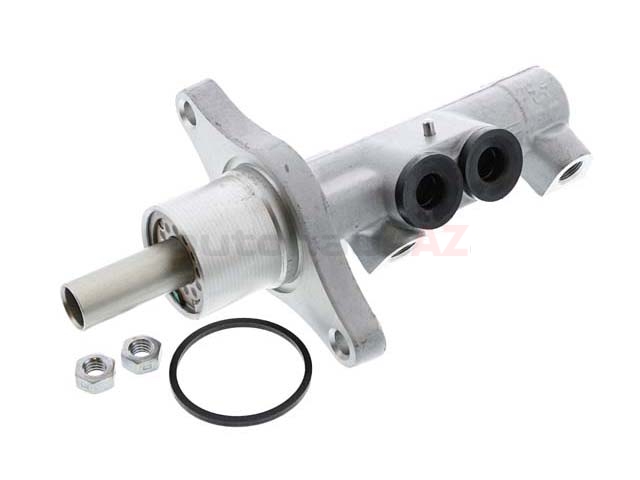


Based on industry averages you can expect to pay between $164.99 and $164.99 for a VW Rabbit brake master cylinder.
What Are the Signs of a Failing VW Rabbit Brake Master Cylinder?
If your VW Rabbit’s brake master cylinder starts to give out, you’ll usually notice a few classic warning signs. The brake pedal might feel spongy or sink slowly toward the floor when you press it. Sometimes, you’ll spot the brake warning light on your dash, or it might seem like the brakes aren’t as responsive as usual. Another red flag is finding brake fluid trickling out underneath the car, especially on the driver’s side near the firewall. If any of these show up, it’s a good idea to take a closer look right away—master cylinder problems can quickly turn into a safety issue.
How Do You Bleed the VW Rabbit Brake Master Cylinder?
Bleeding the brake master cylinder on a VW Rabbit is key after you replace it or swap out the fluid. The easiest way is to take the cylinder off and secure it in a bench vise. Run some short hoses from the output ports back up into the reservoir, then use a screwdriver or similar tool to push the piston in and out. Keep going until you don’t see any more air bubbles. Once it’s clear, reinstall the master cylinder on the car, then bleed the brake lines at each wheel to finish getting any leftover air out. This helps bring back a firm, steady brake pedal.
What Brake Fluid Should Be Used in the VW Rabbit Brake Master Cylinder?
For the VW Rabbit’s brake system, most models call for either DOT 3 or DOT 4 brake fluid. It’s worth checking your owner’s manual just to be sure, but either of these fluids will typically keep everything working as it should. Sticking to the correct brake fluid type prevents corrosion, supports good stopping power, and protects the rubber seals inside the system. Swapping in fresh, quality brake fluid whenever you do repairs is a smart move for long-term reliability.
What Are the Steps for Replacing a VW Rabbit Brake Master Cylinder?
When you’re tackling a master cylinder replacement on a VW Rabbit, here’s a quick rundown to keep it simple. Start by disconnecting the battery for safety. Next, remove any plastic covers or parts blocking your way to the master cylinder. Unbolt it from the brake booster and carefully disconnect the brake lines—having a rag or container handy helps with any drips. After bench bleeding your new master cylinder, bolt it on and hook everything back up. The last step is to bleed the brakes at all four wheels. With that done, your Rabbit should be back to stopping strong.
Why Did My VW Rabbit Brake Master Cylinder Fail?
There are a few common reasons why a brake master cylinder might fail on your VW Rabbit. The main culprit is simple wear and tear—over the years, the seals inside the cylinder can break down, letting fluid slip past and making the brakes feel weak. Old or contaminated brake fluid can also speed up this wear, causing internal parts to corrode or stick. High mileage, rough driving conditions, and missed brake fluid changes all boost the odds of something going wrong. Staying on top of regular checks and using fresh fluid helps your master cylinder last longer.
Where Can You Find Affordable VW Rabbit Brake Master Cylinders?
You don’t have to spend a fortune to get your VW Rabbit’s brakes back in shape. AutohausAZ offers master cylinders at prices that make sense, with quality you can trust. Shipping is quick, and their hassle-free returns help if you need to swap parts. Shopping here takes the stress out of brake repairs, so you can hit the road again with confidence.