

VW Rabbit Expansion Tank Parts
Showing 4 out of 4 part(s) found in our catalog.
Brand
Keyword
Subcategory
Mon-Fri 8-4 MST/PST (Arizona Time)

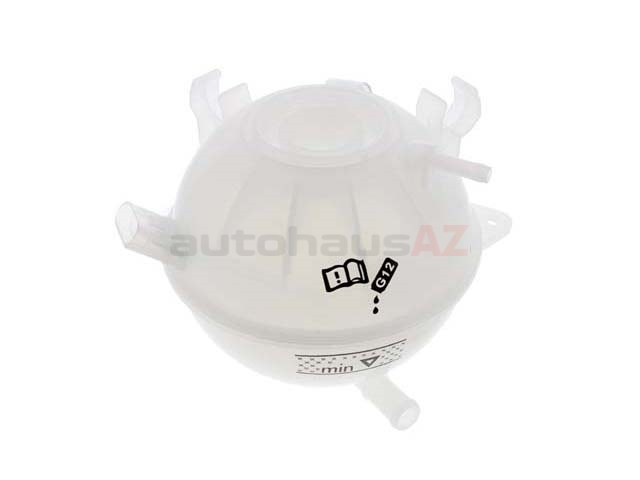



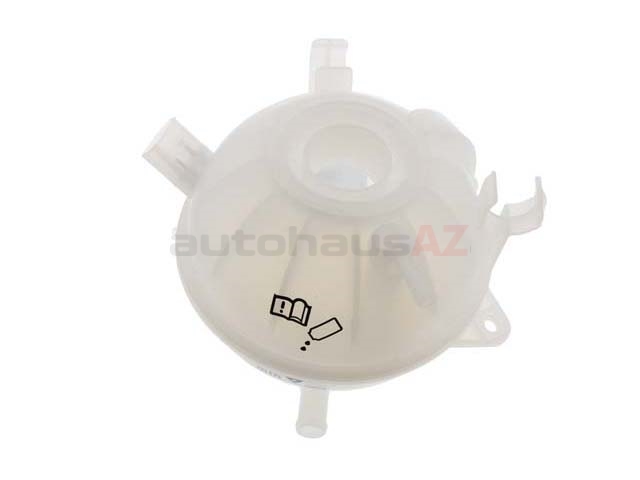
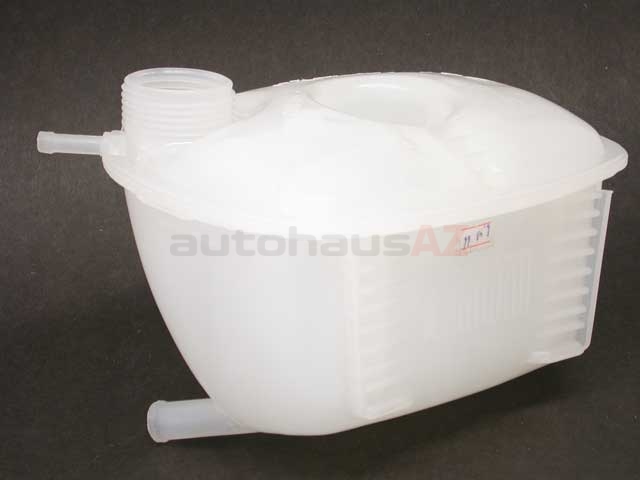
The average cost of a VW Rabbit expansion tank is between $19.59 and $59.99.
What Causes The VW Rabbit Expansion Tank To Crack Or Leak?
The VW Rabbit expansion tank goes through rough treatment every time you drive. Heat, pressure, and time all work against it. As the years stack up, plastic loses its flexibility and becomes fragile. It can start to form cracks—sometimes barely visible at first, but they get worse. If you’ve ever used the wrong coolant, that speeds up the breakdown. Pressure problems don’t help either. A bad cap or even a blocked radiator can build too much pressure, pushing the tank past its breaking point. Usually, the first sign is a bit of coolant around the seam or a damp spot under the car. That faint, sweet smell is another giveaway. If you’re topping off coolant more often or see anything odd when you pop the hood, don’t ignore it. A failing tank is easy to fix, but a cooked engine isn’t.
How Do I Properly Replace The VW Rabbit Expansion Tank?
Switch off the car and let it cool. Pry off the cap carefully—a hissing sound means it’s still under pressure, so wait if you hear it. Use pliers on the hose clamps. Twist a little at a time, working the hoses free so you don’t crack anything else. Watch for any wires or sensors clipped in. Once the tank is loose, drop in the new one. Hook up the hoses and clamps, reconnect anything you had to unplug, and fill it up with the right coolant mix. Most Rabbits need air bled from the system, or you’ll get bubbles. Check the instructions for your model. Once the coolant’s in, start the car and keep an eye out for drips or sudden drops in coolant level. If anything looks off during the first drive, double-check your work.
How Can I Tell If My VW Rabbit Expansion Tank Is Failing?
A failing VW Rabbit expansion tank doesn’t always announce itself loudly. You might spot a little puddle under your car after it’s been parked. Maybe you smell coolant even with no visible leak. If the low-coolant warning light pops on but the hoses and radiator look dry, that’s another sign. Sometimes the coolant gets cloudy or looks strange inside the tank. If you watch the coolant level drop week after week with no obvious reason, the tank could be leaking from a crack that only opens up when things get hot. Even a new rattle or buzz under the hood is a clue. Keep an eye on all of it, and don’t put off repairs.
What Type Of Coolant Should I Use In The VW Rabbit Expansion Tank?
The VW Rabbit expansion tank needs the right coolant—no shortcuts here. Most Rabbits prefer G11 (blue-green) or G12 (pink-red), both designed for aluminum and safe against corrosion. Check the cap, the manual, or under the hood for a sticker if you’re unsure. Never mix types. Even a splash of the wrong coolant can gum up the whole system. Use distilled water when diluting, not tap. This keeps minerals and gunk out of the tank. If you have to top off, don’t just grab whatever’s in the garage—make sure it matches.
Can A Faulty VW Rabbit Expansion Tank Cause Overheating?
A bad VW Rabbit expansion tank is a big deal for cooling. If it cracks or the cap seals poorly, you lose pressure and coolant both. What little coolant’s left can boil over or bubble, sending air pockets into the engine. That means hot spots and, eventually, overheating. Even if the tank holds, a flaw in how it handles pressure or how full it stays can disrupt how coolant moves. Overheating doesn’t take long to spiral from a minor nuisance into an engine disaster. If you notice the temperature climbing or see the warning light, check the tank first—sometimes, the solution is that simple.
Looking For The Best VW Rabbit Expansion Tank Deals Online?
At AutohausAZ, we know how important it is to keep your VW Rabbit running smoothly, and that starts with having reliable parts like a top-quality expansion tank. Shopping with us means you get some of the best prices anywhere—we offer our parts at steep discounts, often well below what you’ll find at the dealership or even local stores. We want you to feel confident ordering from us, so we make sure our website is easy to search, and our checkout process is straightforward. Once you place your order, our team works hard to get your parts out the door quickly. Most orders ship the same day, so you won’t be left waiting for that crucial VW Rabbit expansion tank or any other part you need. We understand ordering online can feel risky, which is why we keep our returns process simple and hassle-free. If something isn’t right, you can send it back without a headache. Our goal is to make maintaining your car affordable, fast, and genuinely pleasant. The next time you need a new expansion tank—or anything else for your VW Rabbit—give us a shot and see the difference our prices, service, and streamlined process can make. We look forward to helping you get back on the road.