

VW Rabbit Heater Valve Parts
Showing 2 out of 2 part(s) found in our catalog.
Brand
Keyword
Category
Select category below to view parts.
Mon-Fri 8-4 MST/PST (Arizona Time)

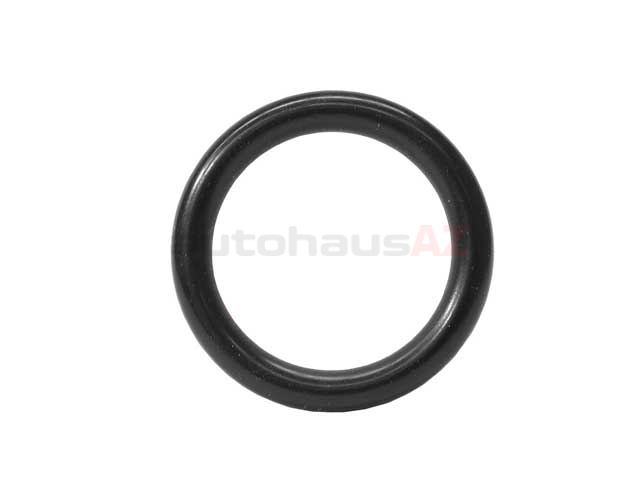



The average cost of a VW Rabbit heater valve is between $0.99 and $10.89.
What Are The Signs Of A Failing VW Rabbit Heater Valve?
A failing VW Rabbit heater valve can catch you off guard. Heat in the cabin turns weak, and sometimes it swings from warm to cold without warning. You might spot a bit of coolant on the floor by your pedals or under the dash, especially after driving. Look near the firewall for damp patches—coolant has a habit of leaving chalky residue if it dries. If the defrost can’t clear the windshield, or floor vents stop pushing air, the valve might be sticking. A sweet, syrupy smell fills the car when coolant escapes, even if you can't see a puddle. Catching these clues early staves off bigger messes or a cold, fogged-up drive.
How Difficult Is It To Replace A VW Rabbit Heater Valve At Home?
Swapping a VW Rabbit heater valve at home isn’t tricky for those who’ve wrenched on cars before, but it’s no cakewalk for beginners. The valve sits at the firewall, wedged behind hoses and wiring. Be ready to wrangle small clamps and get your hands dirty. You’ll have to drain enough coolant to keep it from spilling as you pull the hoses loose. With a ratchet and some patience, the old valve pops out and the new one clicks into place. Watch out for trapped air—if not bled out, it’ll leave you with a cold heater. Setting aside two or three hours, plus an old towel and a flashlight, goes a long way.
What Causes The VW Rabbit Heater Valve To Fail?
Most VW Rabbit heater valve failures boil down to time and heat. Rubber seals inside the valve shrink, crack, or harden after years of engine hot-cold cycles. Coolant that’s old or sludgy eats away at metal and plastic. Rust flakes and gunk get stuck in the valve, jamming it open or closed. Hose ends can split and pull at the valve, sometimes twisting it just enough to start a leak. Occasionally, the cable that controls the valve kinks or seizes. When regular coolant flushes get skipped, valves tend to tap out sooner.
How Can I Tell If My VW Rabbit Heater Valve Is Leaking?
A VW Rabbit heater valve leak rarely hides for long. Pop the hood right after you shut the car off—look for drips on the valve or green crust on hose joints. Check under the passenger carpet; a sticky damp spot means coolant might be sneaking in. On cool mornings, pay attention to fogged glass or a weirdly humid feel in the cabin—coolant can vaporize as the heater runs. The overflow reservoir dropping faster than usual is another red flag. Trust your nose, too: if the air smells like pancakes, the valve could be leaking into the vent system.
Is It Safe To Bypass The VW Rabbit Heater Valve Temporarily?
People have bypassed the VW Rabbit heater valve for years to keep older Rabbits limping to work. Hooking the two heater hoses together lets coolant flow without passing through the bad valve. The downside is you’ll get stuck with hot air pouring through the vents until you fix the valve, which isn’t great on hot days. Still, if you’re halfway home or need to make it through the week, it’s not going to hurt your engine. Just swap in a new valve as soon as possible, and top up your coolant after the job.
Why Buy Your VW Rabbit Heater Valve From AutohausAZ?
When your VW Rabbit heater valve needs swapping, AutohausAZ keeps things simple. Everyday discounts—no waiting for sales—makes it easy to save up front. Most orders leave the warehouse the same day, fast enough to keep your downtime short. Need to send something back? Their returns are a breeze. You don’t have to chase customer service or fill out endless paperwork. It’s less waiting, less hassle, and more time enjoying your car.