

VW Rabbit Oil Cooler Parts
Showing 4 out of 4 part(s) found in our catalog.
Brand
Keyword
Subcategory
Mon-Fri 8-4 MST/PST (Arizona Time)

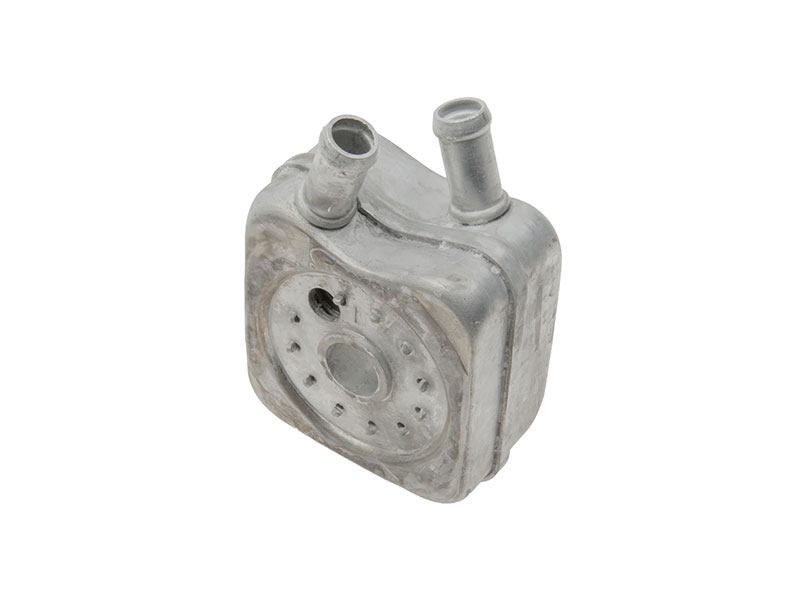

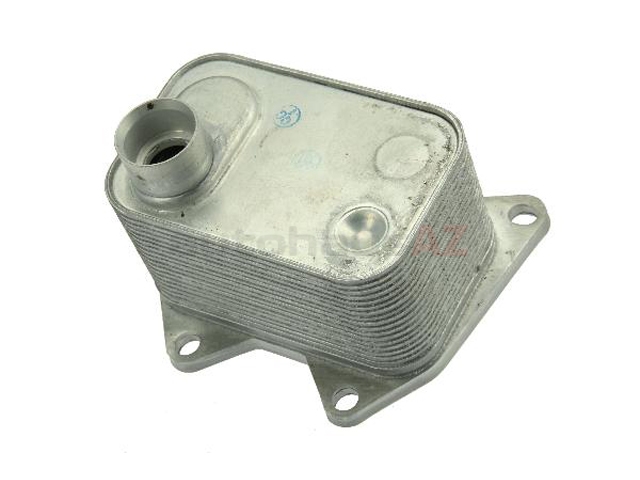

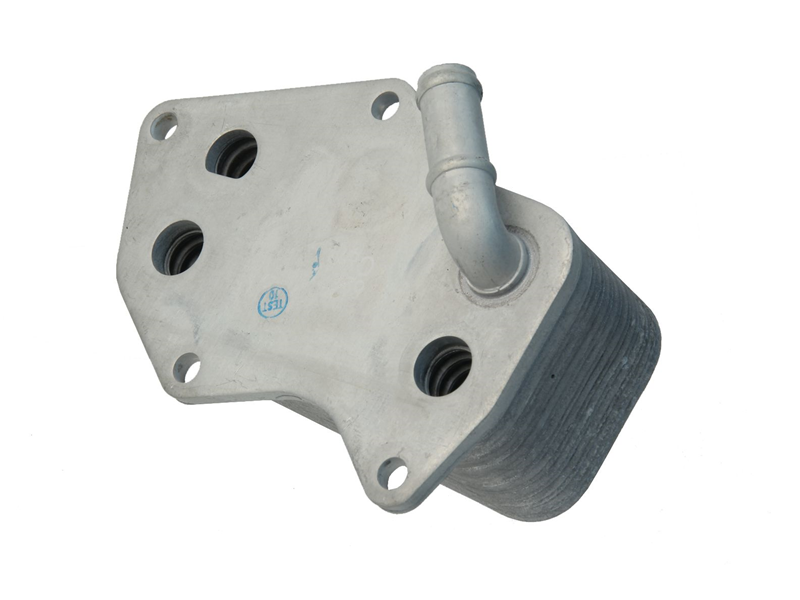
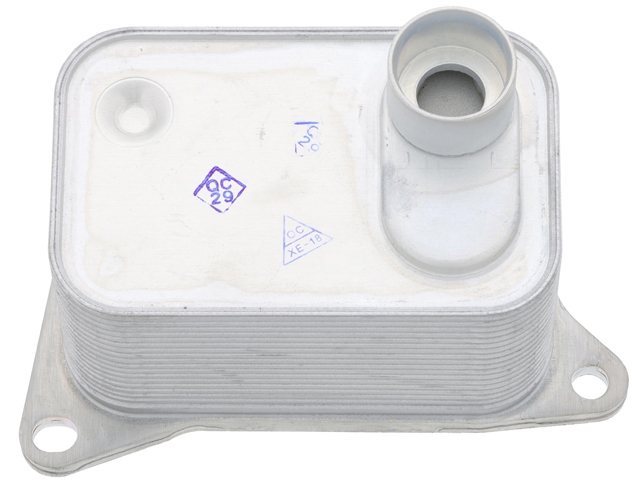
Based on industry averages you can expect to pay between $47.99 and $71.99 for a VW Rabbit oil cooler.
What Are Symptoms Of A Failing VW Rabbit Oil Cooler?
Oil puddles on your driveway. Sludge that looks like a milkshake under the oil cap. The temperature gauge creeping up, but your radiator seems fine. Sometimes you notice the oil or coolant levels keep dropping with no clear reason. You might even spot a thin film of oil floating in the coolant tank. None of these point to good news, especially if you catch that strange mix of oil and coolant. If something feels off, don’t let it slide. Mixing fluids can wreck an engine long before you’re ready for it.
How Do You Replace A VW Rabbit Oil Cooler?
Start by letting the engine cool. You’ll want gloves. Drain the oil, then the coolant. Loosen the oil filter and take it off. Unhook any hoses and lines running to the cooler. Next, remove the bolts holding the cooler in place. Gunk builds up over time, so wipe both surfaces clean before setting the new cooler. Install fresh O-rings or seals—a must for a solid fit. Reattach hoses, mount the cooler, and screw the filter back on. Top up fluids, run the engine, and check for leaks. It’s not a bad afternoon for a weekend wrench-turner.
What Causes A VW Rabbit Oil Cooler To Fail?
Old coolant and bad oil break down seals from the inside. Rust creeps in if the fluids aren’t changed out on time. Stones, salt, and debris kick up from the road and dent the outside, starting small leaks. Sometimes a rushed install means someone over-tightened the lines or squashed an O-ring. Once that seal gives, oil or coolant finds a way out. Using the right fluids and checking hoses keeps headaches to a minimum.
Can You Drive With A Leaking VW Rabbit Oil Cooler?
You might think one drip won’t hurt. A slow leak, though, has a way of turning into a splash. Oil and coolant cross-contaminating wrecks bearings and overheats engines. Ignore it, and you risk a blown head gasket. Milky gunk on your dipstick is an engine’s SOS. Find the leak, park the car, and fix it. Waiting it out only adds names to the repair bill.
How Do You Prevent VW Rabbit Oil Cooler Issues?
Stay ahead with routine oil and coolant changes. Pop the hood every now and then, feel around the hoses and look for any signs of wetness or corrosion. Watch for green or brown crust around the cooler—that’s an early leak. Always use the oil and coolant VW recommends. Don’t reuse old seals when installing a new cooler. Make these checks a habit, and you’ll dodge most of the big problems.
Where Can You Find a VW Rabbit Oil Cooler Without Paying Dealership Prices?
Skip the extra markup and browse AutohausAZ. You’ll get a new oil cooler without burning a hole in your wallet. Shipping moves quick, so no long waits. Picked the wrong part by accident? Their returns process keeps things simple and stress-free. Getting your VW Rabbit fixed up shouldn’t be a hassle—and here, it isn’t.