
VW Rabbit Transmission Fluid Parts
Showing 6 out of 6 part(s) found in our catalog.
Brand
Keyword
Subcategory
Mon-Fri 8-4 MST/PST (Arizona Time)

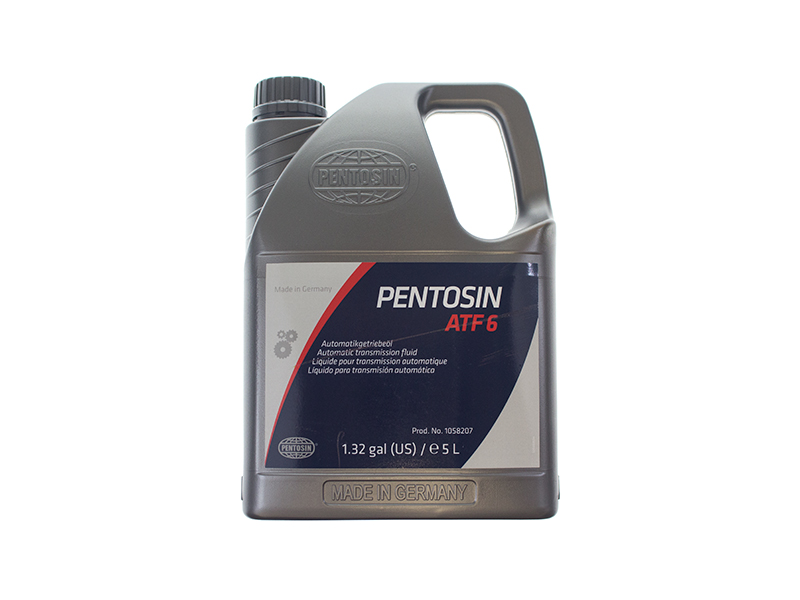


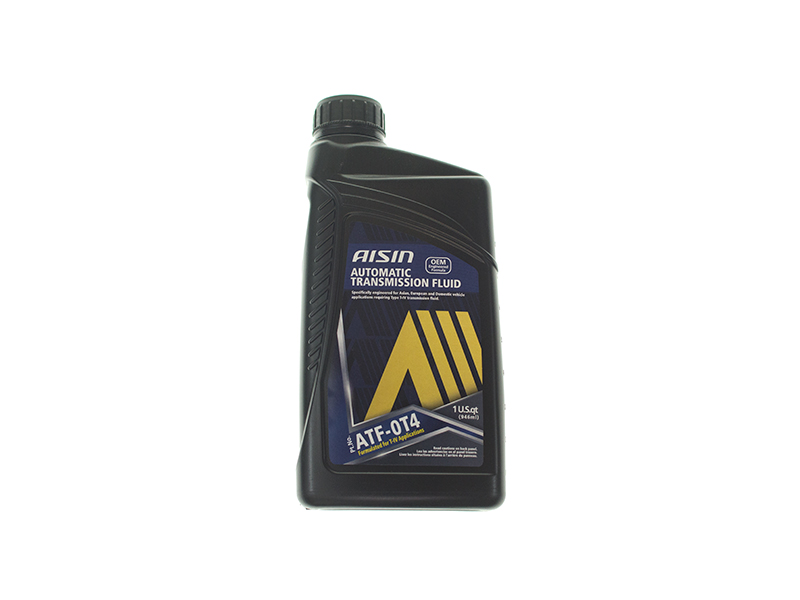

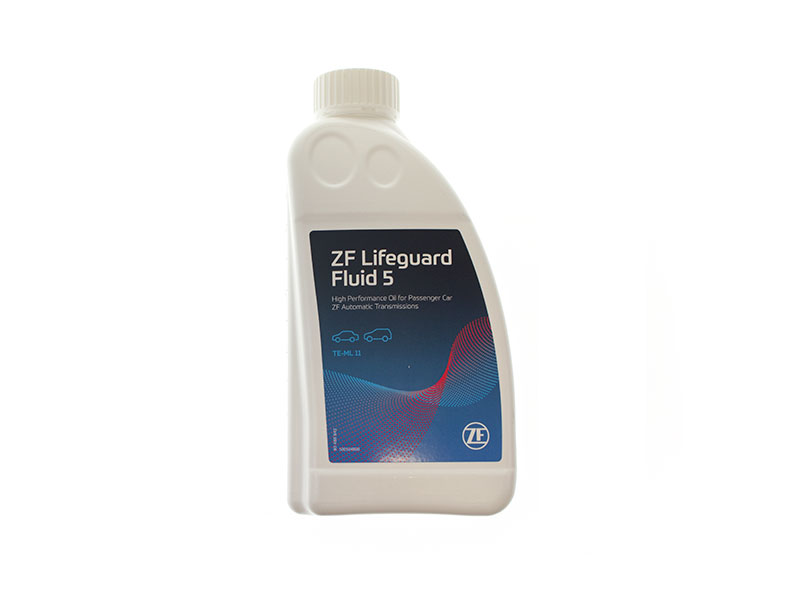

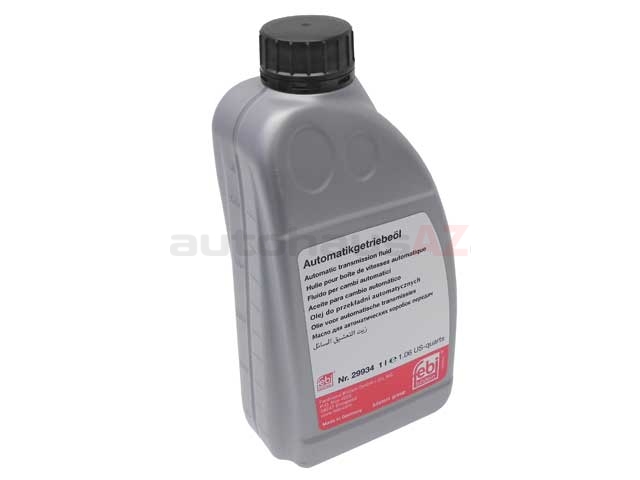
Based on industry averages you can expect to pay between $7.89 and $317.99 for a VW Rabbit transmission fluid.
Transmission Fluid Capacity and Specification For VW Rabbit
- 1975-1984 VW Rabbit – 1.5L/1.6L/1.7L Gas & 1.5L/1.6L Diesel (Manual Transmission)
- Fluid Capacity: 2.1 quarts
- Specification: SAE 75W-90 GL-4 gear oil
- 1975-1984 VW Rabbit – 1.5L/1.6L/1.7L Gas & 1.5L/1.6L Diesel (Automatic Transmission)
- Fluid Capacity: 5.8 quarts
- Specification: Dexron II or Dexron III ATF
- 1985-1987 VW Rabbit – 1.8L Gas (Manual Transmission)
- Fluid Capacity: 2.1 quarts
- Specification: SAE 75W-90 GL-4 gear oil
- 1985-1987 VW Rabbit – 1.8L Gas (Automatic Transmission)
- Fluid Capacity: 5.8 quarts
- Specification: Dexron II or Dexron III ATF
What Type Of Transmission Fluid Does A VW Rabbit Need?
Choosing the right VW Rabbit transmission fluid matters. Most of the time, it depends on whether you’re driving an automatic or a manual and what year your Rabbit rolled off the line. For later automatics, synthetic ATF does the trick. Manuals usually call for a certain kind of gear oil instead—GL-4 SAE 75W-90, not just anything off the shelf. If you still have the owner’s manual, check it to see what your car needs. Messing up the fluid type leads to odd shifting and bigger headaches, so take the time to use the approved stuff. Correct fluid choice isn’t just about performance; it’s about keeping your Rabbit running longer.
How Often Should VW Rabbit Transmission Fluid Be Changed?
People argue about it, but it’s smart to replace your VW Rabbit transmission fluid every 40,000 to 60,000 miles. Ignore anyone who says it’s “lifetime” unless you aren’t worried about longevity. If you drive in the city a lot or have an older model, you might need to change it sooner. Aggressive driving and tough weather will chew up fluid faster. Check it often enough that you catch problems early. Finding dirty or low fluid before it turns into a bigger issue saves money and stress.
How Do You Check The VW Rabbit Transmission Fluid Level?
VW didn’t make it as easy as popping a dipstick in these Rabbits. Most models require crawling under and loosening the fill plug—go in from the side, not the top. With the car level and warm, fluid should barely seep out when the plug comes off. Anything less and you need to add some. Too much is just as bad as too little. Take your time, work slowly, and check for leaks while you’re under there. Sometimes a flashlight and a steady hand tell you more than a fancy tool ever could.
Can You Mix Different Brands Of VW Rabbit Transmission Fluid?
Don’t mix brands except if you’re caught without a choice and need to get home. Even then, keep to the proper type and spec. Mixing can cause extra wear if the additives don’t play nice together. If you’re not sure what’s already in the gearbox, it’s better to flush out the old stuff and refill with just one kind. Stick to this practical rule and you’ll have fewer transmission worries down the road.
What Are Signs That VW Rabbit Transmission Fluid Needs To Be Changed?
A lot of things can signal you need to change your VW Rabbit transmission fluid. If you notice the car shifting hard, slipping, or making odd noises, check your fluid. A dark color or burnt smell under the hood is another dead giveaway. Puddles or trails under your car mean you have a leak—don’t wait to fix it. Staying ahead of these signs with regular checks helps stop a small issue from becoming a major repair job.
Why Buy VW Rabbit Transmission Fluid From AutohausAZ?
Shopping at AutohausAZ takes the edge off finding the right VW Rabbit transmission fluid. They drop the prices, keep things moving fast, and help you sort out returns if something doesn’t fit or isn’t quite right. It’s not about flashy deals—it’s all about making life easier for anyone keeping an old Rabbit on the road. The site’s got real people ready to answer questions, so it never feels like you’re on your own. Saving time and cash means you spend more of both on the good stuff—like actually driving your car again when the work is done.