

VW Rabbit Voltage Regulator Parts
Showing 3 out of 3 part(s) found in our catalog.
Brand
Keyword
Subcategory
Mon-Fri 8-4 MST/PST (Arizona Time)

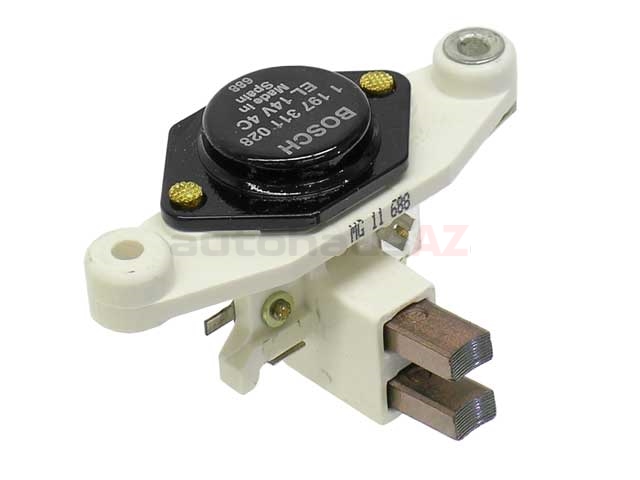



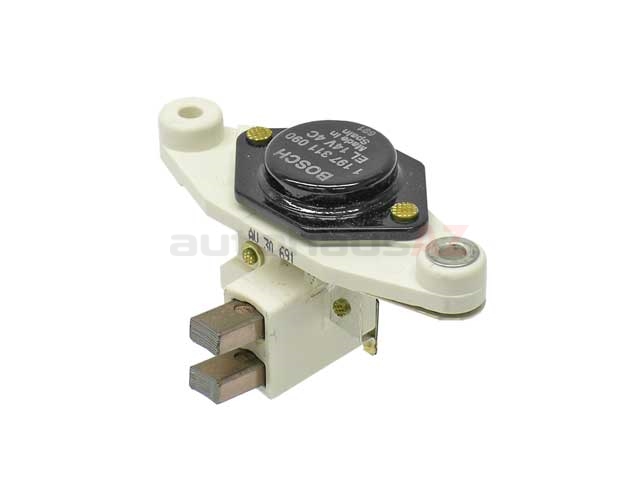
VW Rabbit voltage regulator typically cost between $23.09 and $48.99.
How Do I Know If My VW Rabbit Voltage Regulator Is Bad?
You hop in, start the engine, and the headlights act strange—maybe they flicker or look a little dim. The gauge needles on your dash jitter more than usual or sway up and down for no clear reason. Sometimes you notice a bad battery smell, or you keep finding the battery is dead sooner than it should be. Electrical things inside the car—heater fan, radio, even the turn signals—might not behave like they're supposed to. Sometimes, the alternator light glows on the dash and doesn’t go away. If you see these symptoms and already checked the battery and alternator, the voltage regulator could be dropping the ball. Don’t ignore weird electrical issues, though. If simple checks don’t fix it, a shop can run some tests to see if the voltage is steady or bouncing around too much.
Where Is The VW Rabbit Voltage Regulator Located?
If you’re poking around your Rabbit’s engine bay, you might wonder where to start looking for the voltage regulator. On a bunch of the older models, it's a small box set off by itself—often bolted to the firewall or maybe tucked on a fender under the hood. Reach in, and there it is, wired right in. Later VW Rabbits got sneakier; they buried the regulator inside the alternator itself, so it’s harder to find (and fix). Before you start wrenching, grab the manual for your car’s year. It’ll show you exactly where VW hid it, so you don’t take apart half the car for no reason.
How Do I Test My VW Rabbit Voltage Regulator?
Grab a voltmeter and check the battery voltage while the engine is running. You're hoping to see a nice, steady reading—generally between 13.8 and 14.5 volts. If the numbers jump around, drop below 13, or climb past 15, something’s off. That’s often the regulator struggling. There are ways to bench test the alternator and regulator, too, but they get technical and call for pulling parts off the car. A bad reading means trouble, but sometimes it just means you need to swap the regulator, not the whole alternator. If you’re confused by the test or the numbers surprise you, find someone who knows old VWs and have them double-check.
Can I Replace The VW Rabbit Voltage Regulator Myself?
If you’re comfortable with basic hand tools and have changed a few parts before, you can handle swapping a VW Rabbit’s external voltage regulator. Disconnect the battery first. Remove the old one—usually just a couple of bolts—and plug the new one right in. Done in under an hour if you take your time. If your car’s regulator lives inside the alternator, things get trickier. You’ll need to remove the alternator, take it apart, and dig for the old regulator. That job takes some know-how and extra care. No shame in calling a friend or pro for help if it feels like too much.
What Causes VW Rabbit Voltage Regulator Failure?
Voltage regulators usually fail from old age. They’re built to last, but countless heat cycles, engine bay grime, and just plain old vibrations get to them eventually. If water sneaks under the hood or salt eats at the wiring, they can corrode and short out. A dying battery or alternator can also push the regulator too hard, making it quit before its time. Sometimes people jump-start the car the wrong way or mess up the wiring, and that sends a killer jolt through the system. Simple steps—keeping connections clean, watching for leaks, and swapping sketchy batteries—can help the regulator hang in a lot longer.
Where Can You Find A VW Rabbit Voltage Regulator Easily?
Need a new voltage regulator for your VW Rabbit? AutohausAZ usually has what you need on the shelf. Parts show up fast, and you won’t spend a lot to get your car running right again. If you bought the wrong one, returns are easy, and there’s always someone to help you pick the right part for your car. No reason to drive all over town or pay more than you should.